Record-Breaking Earnings, But Why Are Foreign Investors Dumping Samsung Electronics?
- Input
- 2026-04-13 09:30:14
- Updated
- 2026-04-13 09:30:14
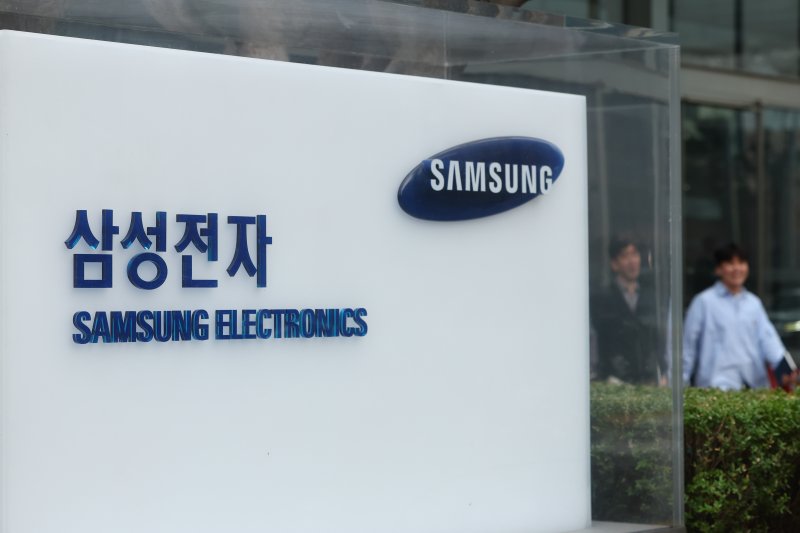
According to The Financial News, Samsung Electronics Co., Ltd. has posted record-breaking earnings, yet foreign investors continue to be net sellers of semiconductor stocks. Analysts point out that high earnings volatility and increased share-price volatility, even during rallies, are eroding the sector’s appeal. As of January this year, foreign investors had sold more than 54 trillion won in the domestic stock market, according to Eugene Investment & Securities Co., Ltd. Of that, about 49 trillion won, or 86% of their total net sales, came from semiconductor stocks.
Earlier, Samsung Electronics Co., Ltd. announced its preliminary first-quarter results, reporting 133 trillion won in revenue and 57.2 trillion won in operating profit. Despite this, foreign investors have been offloading Korean stocks on a large scale, particularly in the semiconductor sector, since February.
Heo Jae-hwan, a researcher at Eugene Investment & Securities Co., Ltd., said, "The foreign investors’ selling since late February appears to be related to the impact of the war," but added, "However, the foreign ownership ratio in the Korea Composite Stock Price Index (KOSPI Index) market had been rising right up until just before the war."
Heo highlighted three main reasons why foreign investors are selling semiconductor stocks: high earnings volatility, high share-price volatility, and the rapid growth of Chinese competitors.
Heo pointed out, "If you compare the sales and operating profits of Taiwan Semiconductor Manufacturing Company Limited (TSMC), where foreign ownership exceeds 70%, with those of Samsung Electronics Co., Ltd., the volatility (standard deviation) of Samsung Electronics’ operating profit growth rate is more than 10 times that of TSMC."
He also explained that foreign ownership has declined since late January, when semiconductors came to account for more than 40% of the market’s total capitalization. "In other words, as the market became heavily concentrated in semiconductors, volatility risk increased," Heo said. "Even as share prices rose, volatility also climbed, so the sector appears less attractive on a risk-adjusted return basis."
Chinese companies are also expanding rapidly in the Dynamic Random Access Memory (DRAM) and NAND flash memory markets. Their growing market share is being driven by government support and the expansion of China’s domestic market. Before Coronavirus disease 2019 (COVID-19), Chinese players were barely visible, but their share has now risen to around 8–10%.
However, the selling pressure from foreign investors is not expected to persist indefinitely. Heo said, "Foreign investors’ share in the semiconductor sector is at its lowest level since COVID-19," and added, "There is a high likelihood that additional selling pressure will subside."
Domestic flows, particularly those driven by Exchange-Traded Fund (ETF) money from local financial investment firms, have also improved. Heo noted, "Even after the war involving Iran, foreign investors have increased their exposure in order of cosmetics, machinery, healthcare, consumer staples, KOSDAQ, and telecommunications," and added, "Foreign investors are not selling because they are pessimistic about the semiconductor cycle or about Korean companies themselves."
[email protected] Han Young-joon Reporter