Trump mulls limited strikes on Iran following naval blockade: WSJ
- Input
- 2026-04-13 09:20:32
- Updated
- 2026-04-13 09:20:32
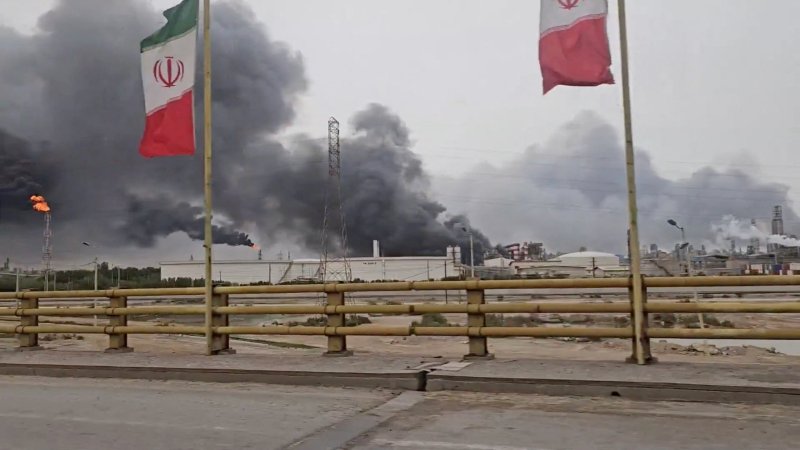
According to The Financial News, United States President Donald Trump is reportedly considering resuming limited military strikes on the Islamic Republic of Iran, following a naval blockade of the Strait of Hormuz, after peace talks with Tehran collapsed.
On the 12th (local time), foreign media including The Wall Street Journal (WSJ) reported, citing sources, that Donald Trump and his aides are discussing additional military measures to break the deadlock after negotiations in Islamabad, Islamic Republic of Pakistan, fell apart.
In an interview with Fox News the same day, Donald Trump said, "It is something I really do not want to do, but Iran's territorial waters, desalination plants, and power stations are very easy targets," strongly suggesting that the United States could carry out precision strikes on the Islamic Republic of Iran's critical infrastructure. White House spokesperson Olivia Wales stated, "The president has already ordered a blockade of the Strait of Hormuz to put an end to Iran's acts of extortion," adding, "Wisely, he is keeping all additional options on the table."
Washington has also set out clear so-called red lines for any future talks. These include the full reopening of the Strait of Hormuz and the abolition of transit fees; a complete halt to all uranium enrichment and the closure of related facilities; the handover of highly enriched uranium; acceptance of a broad regional security framework that covers United States allies; and an end to funding for proxy groups such as Hezbollah and the Houthi rebels.
J. D. Vance, the vice president who led the latest round of negotiations, said the talks collapsed because the Islamic Republic of Iran refused to abandon its nuclear program. Donald Trump has repeatedly stressed that preventing the Islamic Republic of Iran from acquiring nuclear weapons is the decisive reason this war began.
Experts argue that the naval blockade is the most effective lever available, as it can choke off oil and gas exports that account for roughly half of the Islamic Republic of Iran's government revenue and gradually cripple its economy. Matthew Kroenig, a former official at the United States Department of Defense (DoD), assessed it as "an opportunity to replicate in Iran the blockade strategy that proved effective in the Bolivarian Republic of Venezuela and drive the regime into a corner."
However, the risks are considerable. United States Navy vessels operating in the narrow Strait of Hormuz could be exposed to missile and drone attacks from the Islamic Republic of Iran. In addition, a prolonged conflict and the resulting rise in oil prices could become a major political liability for the Republican Party in the midterm elections.
Stephen Moore, Donald Trump's economic adviser, warned, "We must secure the strait immediately, whatever the cost. If we do not, the global economy could slide into a worldwide recession."
Even as he ratchets up military pressure, Donald Trump is still leaving the door open to a diplomatic solution. Reza Amiri Moghadam, a senior member of the Islamic Republic of Iran's delegation, said, "The Islamabad talks laid the groundwork for a sustainable framework that can serve the interests of all parties if trust is strengthened," signaling a willingness to continue dialogue.
[email protected] Yoon Jae-jun Reporter