Oil Tops $100 a Barrel Again After Talks Collapse and U.S. Plan to Block Iranian Ports
- Input
- 2026-04-13 07:29:57
- Updated
- 2026-04-13 07:29:57
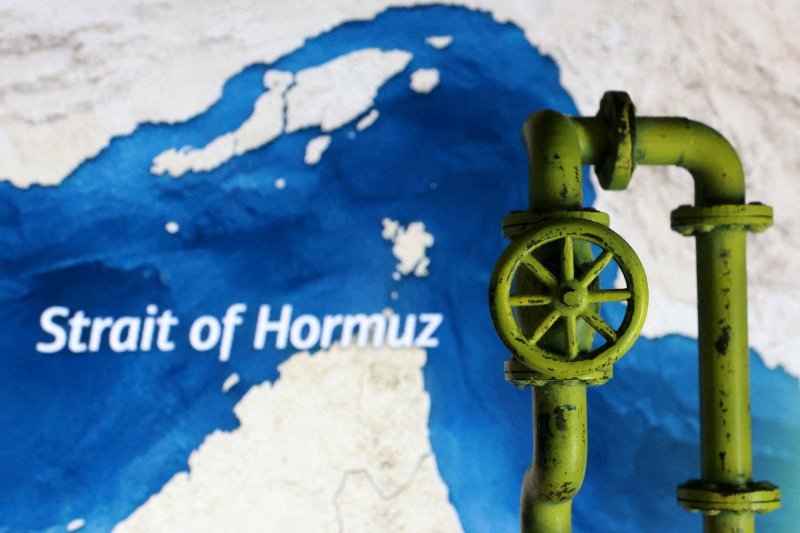
Over the weekend, peace talks between the United States of America (U.S.) and the Islamic Republic of Iran ended without any progress, and the United States Navy (U.S. Navy) announced plans for a full blockade of Iranian ports. As a result, international oil prices have once again climbed above $100 per barrel, The Financial News reported.
On the 12th (local time), CNBC reported that as of 6:13 p.m. Eastern Time on the 12th (7:13 a.m. on the 13th in Korea), May futures for West Texas Intermediate crude oil (WTI) were trading at $104.20 per barrel, up 8% from the previous session.
June futures for Brent Crude Oil, the global benchmark, also jumped more than 7%, trading at $101.86 per barrel.
Analysts say the fact that both major oil benchmarks have risen above $100 a barrel reflects heightened military tensions surrounding the Islamic Republic of Iran and growing fears of a collapse in supply chains.
CNBC noted that the latest surge in oil prices came after United States Central Command (CENTCOM) announced a full blockade.
In a statement, CENTCOM declared, "Starting at 10:00 a.m. on the 13th Eastern Time (11:00 p.m. on the 13th in Korea), we will block all maritime traffic entering and leaving Iranian ports," adding, "This will be strictly enforced for all Iranian ports and coastal areas within the Persian Gulf and the Persian Gulf, regardless of nationality."
Earlier, after cease-fire talks with the Islamic Republic of Iran held in the Islamic Republic of Pakistan broke down, President Donald John Trump ordered an immediate blockade via social media. In particular, President Trump instructed the U.S. Navy to "track and intercept on the high seas every vessel that pays transit fees to the Islamic Republic of Iran to pass through the strait," signaling his determination to completely cut off the Islamic Republic of Iran’s financial lifelines.
After the United States of America (U.S.) and the Islamic Republic of Iran agreed last week to a two-week truce, three large oil tankers capable of carrying 2 million barrels of crude each were reported to have passed through the Strait of Hormuz on the 11th.
This is a sharp drop compared with the more than 100 tankers that passed through before the war.
[email protected] Yoon Jae-joon Reporter