While the U.S. and Iran Observe a Truce, Gulf States Go All-In on Rearmament With South Korean Weapons
- Input
- 2026-04-13 05:54:38
- Updated
- 2026-04-13 05:54:38
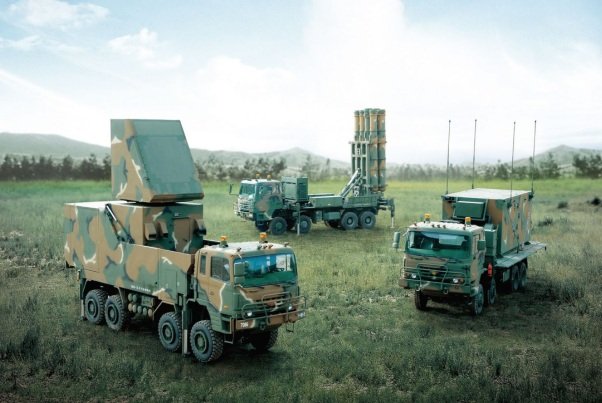
[The Financial News] After six weeks of intense airstrikes, Middle Eastern countries whose air-defense missile stockpiles have been depleted are now locked in a desperate race to rearm.
On the 13th (local time), The Wall Street Journal (WSJ) reported that, as a fragile truce holds between the United States and Iran, Gulf states such as the Kingdom of Saudi Arabia (KSA) and the United Arab Emirates (UAE) are turning to South Korean missile defense systems and Ukraine-style counter-drone technologies.
KSA has reportedly asked South Korea’s Hanwha Group and LIG Nex1 whether they can move up delivery schedules for the M-SAM medium-range surface-to-air missile system, known as Cheongung, which the kingdom has ordered.
The M-SAM medium-range surface-to-air missile system can intercept drones, missiles, and aircraft. The UAE has already used it in combat to shoot down weapons launched from Iran, proving its effectiveness. KSA is also reaching out to Japan, a producer of the MIM-104 Patriot surface-to-air missile system, as it scrambles to diversify its suppliers.
Middle Eastern countries have become so anxious because the regional situation is too volatile for them to simply wait for U.S.-made systems. The Trump administration approved arms sales worth 23 billion dollars (about 34 trillion won) to the UAE, Kuwait, and Jordan, but actual deliveries are expected to take years. The MIM-104 Patriot surface-to-air missile system, in particular, is in extremely short supply worldwide due to the war in Ukraine. Switzerland is even considering canceling its order over delivery delays.
Alongside traditional missile defense systems, more creative alternatives are being introduced. The relentless attacks by low-cost Shahed drone suicide systems from Iran have created a need for more cost-effective defensive options.
KSA and Qatar recently signed defense cooperation agreements with Ukraine. Qatari officials have visited Ukraine’s drone-interception training ranges and are exploring the purchase of interceptor drones and electronic warfare equipment from local firms.
Last week, the government of the United Kingdom (UK) announced that it would supply low-cost, small missiles developed by domestic startup Cambridge Aerospace to Gulf countries.
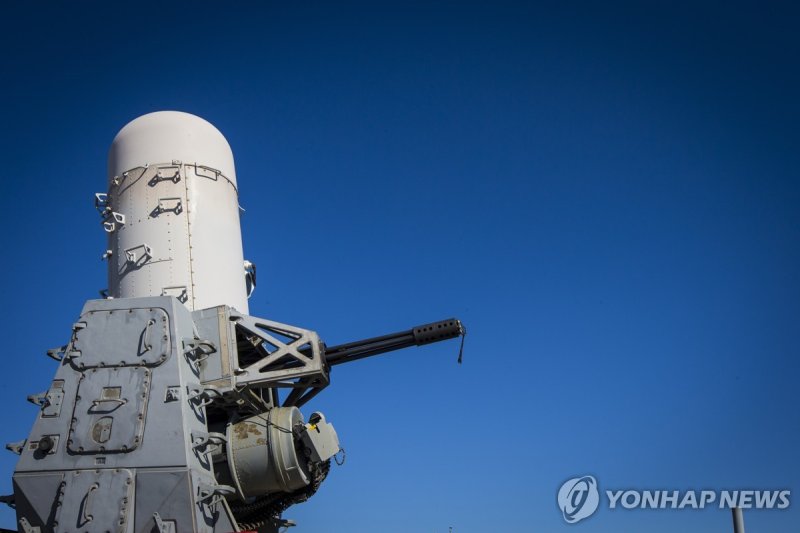
Inquiries are also pouring in about Raytheon’s Phalanx Close-In Weapon System (CIWS) Gatling gun. Truck-mounted, machine-gun-based weapons like these have proven to be the cheapest and most effective way to shoot down drones in Ukraine.
WSJ reported that the mood was tense and urgent at a meeting last month between Gulf officials and defense contractors, held at a military base near Buckingham Palace in the UK.
UK Defense Minister Luke Pollard was quoted as asking company representatives, "What can you deliver immediately within 30, 60, or 90 days?"
However, the defense industry’s production capacity is struggling to keep up with the explosive surge in demand. Adrienne Rabié, an analyst at Bernstein Research, noted, "New facility investments have begun, but they are still insufficient to meet the current level of demand."
As a result, the key variable for Middle Eastern security is how quickly these countries can secure alternatives that can be deployed in the field, moving away from their traditionally U.S.-centric weapons mix. In this process, the position of South Korean defense companies, which offer proven performance and relatively fast delivery, is expected to become even stronger.
[email protected] Yoon Jae-jun Reporter