Trump Orders Blockade of Strait of Hormuz, Reviving Middle East Risk Amid Nuclear Standoff
- Input
- 2026-04-13 02:22:35
- Updated
- 2026-04-13 02:22:35
According to foreign media reports on the 12th local time, U.S. President Donald Trump ordered the U.S. Navy to blockade the Strait of Hormuz. Prolonged negotiations with the Islamic Republic of Iran broke down over disagreements on nuclear issues, putting the ceasefire that had held for the past two weeks on the verge of collapse.
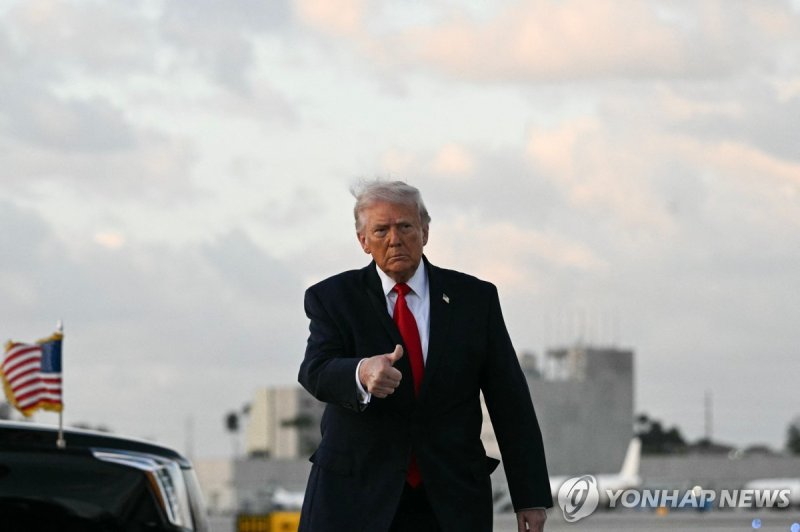
President Trump said the United States would intercept on the high seas any vessels that have paid transit fees to Iran. He also announced the start of operations to remove naval mines laid in the strait. In effect, he declared both a maritime blockade and a military operation at the same time.
The latest talks were the highest-level contact between the two countries since the Iranian Revolution in 1979, but Iran’s nuclear program ultimately derailed them. The United States demanded that Iran abandon its nuclear weapons development, while Tehran refused, causing the negotiations to collapse.
Vice President J. D. Vance stated, "The failure of the deal is a bigger blow to Iran." President Trump also insisted, "Iran has no intention of giving up its nuclear ambitions."
Iran, on the other hand, blamed what it called Washington’s "excessive demands" for the breakdown. Parliamentary Speaker Mohammad Bagher Ghalibaf argued that the United States had failed to earn Iran’s trust.
Tehran is demanding control over the strait, war reparations, and the unfreezing of its assets. It has also signaled its intent to impose transit fees on ships passing through the Strait of Hormuz, raising the prospect of a clash over maritime dominance.
Even while talks were underway, Israel continued airstrikes on Hezbollah targets in Lebanon. Since Iran is demanding a halt to the fighting in Lebanon, analysts warn that the conflict could spread further.
Despite the heightened tensions, three oil tankers were reported to have passed through the strait. They were the first to sail since the ceasefire began, but if the U.S. blockade policy is fully implemented, a full resumption of normal traffic is seen as unlikely.
Market observers warn that the move could once again drive up international oil prices. Depending on whether the Strait of Hormuz is effectively blocked and how far any military confrontation escalates, energy prices and volatility in global financial markets could rise significantly.
[email protected] Reporter Lee Byung-chul Reporter