[Editorial] Job Polarization and the AI Shock: Without Sweeping Reform, We All Go Down Together
- Input
- 2026-04-12 19:15:32
- Updated
- 2026-04-12 19:15:32
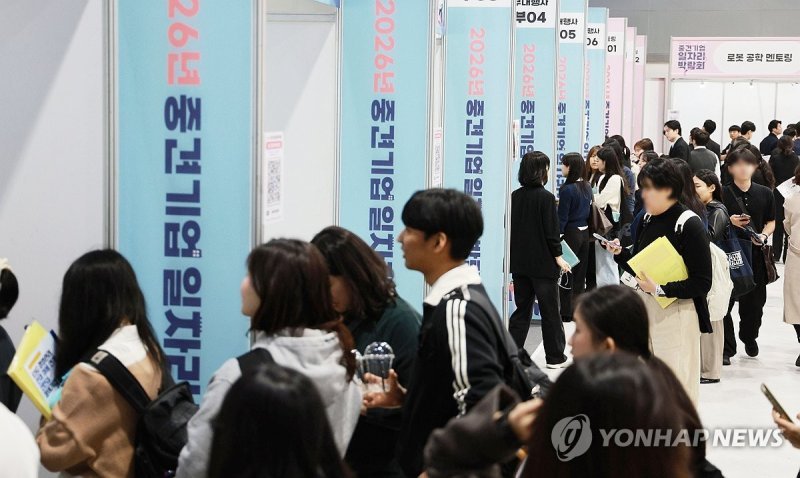
A report released by the Hyundai Research Institute on the 12th shows how severe the concentration of quality jobs has become in the domestic labor market. Regular employees at large corporations account for only 16% of all workers. Their average monthly wage is 4.95 million won, about 1.7 times higher than the 2.92 million won earned by the remaining 84%. Their average years of service are nearly double, and the gap in social insurance coverage is also large. In short, only a small share of workers enjoy jobs that guarantee not just stable employment but also generous benefits and high wages.
This reality is clearly reflected in the recent performance bonus demands by the labor union at Samsung Electronics. The union demanded bonuses based on 15% of semiconductor operating profit, which could exceed 40 trillion won. The wage and benefits gap between large firms and SMEs is widening in this way. It symbolically illustrates how deep the two-tier structure of the labor market has become. This is why SME employees feel a strong sense of relative deprivation and job seekers increasingly shun employment at smaller firms.
The dual structure of jobs between large corporations and SMEs is nothing new. Efforts have been made to expand quality jobs and address this structural problem, but progress remains stalled. In the meantime, a new jobs crisis is spreading. The rapid diffusion of AI is shrinking the total number of jobs themselves. Office work and service jobs alike are being replaced by AI at an alarming pace.
The blow is particularly worrying for young people who are just trying to enter the labor market. Prospective job seekers without experience or networks are finding the door to employment effectively shut. On top of the existing two-tier structure between large firms and SMEs, a new generational divide in jobs is emerging due to AI. If this continues, fractures in the labor market will spill over generations and turn into rifts across society as a whole.
The direction of solutions for this distorted labor market is clear. We must increase the number of quality jobs to uproot the two-tier structure, while at the same time designing new entry pathways into employment that fit the AI era. The unfair subcontracting relationships between large corporations and SMEs need to be corrected, and hiring practices must shift to a job-based system, accompanied by bold reforms in retraining and vocational education. This process also requires a forward-looking change in attitude from all stakeholders in the labor market. With chronic polarization and AI-driven job shocks arriving simultaneously, if both labor and management cling to their vested interests, it will lead to mutual ruin.
If the labor market collapses, industry will falter and a sustainable society cannot be maintained. A major transformation of the labor market can no longer be postponed. The government, businesses, and labor alike must share a sense of urgency about this crisis.