Even With a Mediator at the Table, U.S.–Iran Talks on Ending War Collapse Over Hormuz and Nuclear Dispute
- Input
- 2026-04-12 16:48:27
- Updated
- 2026-04-12 16:48:27
Why three-way talks instead of bilateral negotiations – why was Pakistan involved?
Analysts say Pakistan’s participation in the talks stemmed from a complex mix of its geopolitical position and national interests.Pakistan shares a border with the Islamic Republic of Iran while also maintaining relations with the United States. It relies heavily on the Middle East for energy imports and for a large share of its overseas workers, meaning prolonged instability in the region without mediation could directly damage Pakistan’s economy.
Under these conditions, Pakistan has sought to secure a role as a mediator through a policy of “balanced diplomacy” that avoids leaning too far toward any single camp. It has kept close ties with the United States, yet openly criticized Iran’s early airstrikes, and strongly condemned Tehran again when it attacked Saudi Arabia’s oil facilities, taking a critical stance toward both sides.
Against this backdrop, the talks were reportedly driven primarily by Pakistan’s military. According to the British Broadcasting Corporation (BBC), the negotiations were led by Asim Munir, Pakistan’s Chief of the Army Staff, who is considered the most powerful figure in the country’s armed forces. He is said to be close to U.S. President Donald John Trump, who once called him “my favorite general.” After the launch of Trump’s second term, Asim Munir moved to deepen cooperation with the United States and built trust by helping secure suspects behind the suicide bombing at Kabul International Airport.
Two-week truce, then Islamabad talks – collapse despite mediator’s efforts
The latest talks came together as fighting and diplomatic efforts overlapped following U.S. and Israeli airstrikes on the Islamic Republic of Iran on February 28, which triggered the war.The turning point came on the 7th. With 90 minutes left before what President Trump described as a “final ultimatum” under which “an entire civilization will be wiped out and never come back,” the United States and the Islamic Republic of Iran agreed to a two-week temporary ceasefire to allow negotiations. Washington presented a 15-point proposal for ending the war, while Tehran countered with a 10-point list of demands, creating a framework for talks.
Four days after the ceasefire agreement, on the 11th, delegations from both countries began face-to-face negotiations in Islamabad, Pakistan. It was their first direct meeting in 42 days since the war broke out.
Before the talks, each side met separately with Pakistan’s Prime Minister Shehbaz Sharif to coordinate agendas and procedures. The Islamic Republic of Iran set out its “red lines” as recognition of its control over the Strait of Hormuz, compensation for war damage, the release of its frozen assets overseas, and a halt to hostilities across the Middle East.
However, the negotiations ran into trouble from the outset. During roughly 21 hours of marathon talks, the two sides clashed head-on over core issues such as halting the Islamic Republic of Iran’s nuclear program and reopening the Strait of Hormuz.
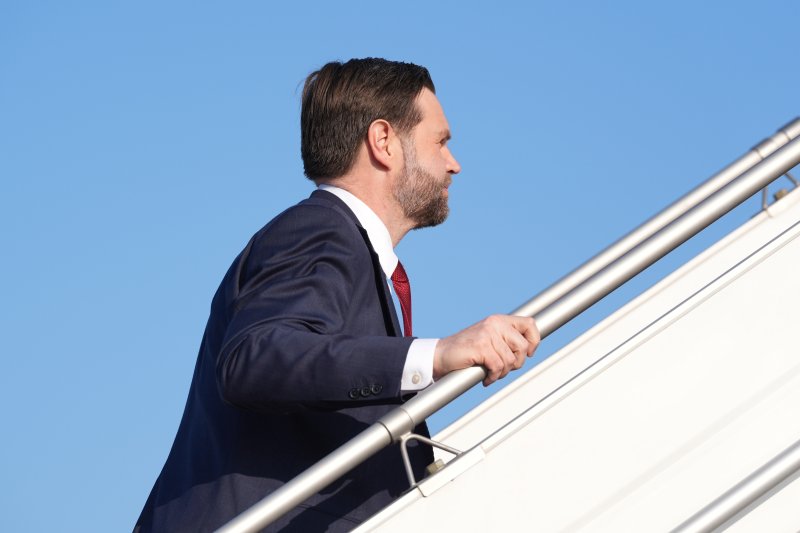
J. D. Vance, the U.S. vice president heading the American delegation, stated, “The single biggest obstacle in these talks was Iran’s nuclear program itself,” formally announcing the collapse of the negotiations. In contrast, Tasnim News Agency in the Islamic Republic of Iran countered that “excessive demands from the United States prevented the formation of a common framework and agreement.”
On the Strait of Hormuz, the Financial Times (FT), citing officials, reported that “Iran rejected a plan to jointly control the strait with the United States and insisted on unilaterally imposing transit fees.”
With the collapse of the talks, the fragile two-week ceasefire between the United States and the Islamic Republic of Iran is expected to continue, further heightening geopolitical and economic risks emanating from the Middle East.
[email protected] Reporter Hong Chae-wan Reporter