First United States–Iran ceasefire talks collapse with no deal... U.S. says "We need an explicit pledge not to pursue nuclear weapons"
- Input
- 2026-04-12 12:19:13
- Updated
- 2026-04-12 12:19:13
According to The Financial News, the first talks to end the war between the United States of America and the Islamic Republic of Iran, held in Islamabad in the Islamic Republic of Pakistan, ended with no deal and no agreement.
The United States delegation stated that there was no explicit pledge from the Islamic Republic of Iran to abandon nuclear weapons, and announced that they would return to the United States of America without further negotiations. At the same time, they said they had presented their "best and final offer," putting pressure on the Islamic Republic of Iran to accept it.
With the collapse of talks that had raised hopes for a breakthrough to end the war with the Islamic Republic of Iran, the future outlook has become uncertain. The two sides may return to the negotiating table in the near future, but it is unclear whether they can reach a deal within the two‐week ceasefire period.
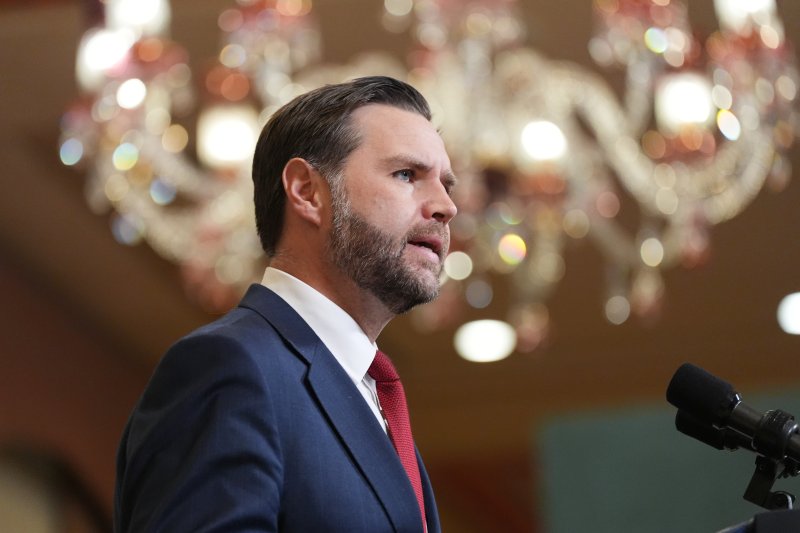
James David Vance, Vice President of the United States, who led the U.S. delegation in the ceasefire talks with the Islamic Republic of Iran, held a press conference at around 6:30 a.m. local time on the 12th at the Serena Hotel Islamabad in Islamabad. He announced, "We did not reach an agreement with the Islamic Republic of Iran, and we are returning to the United States of America without a deal."
The Vice President of the United States explained that he had negotiated with the Islamic Republic of Iran for 21 hours starting the previous day and had made the United States of America's "red lines" very clear, but that the Islamic Republic of Iran did not accept the U.S. demands.
He said, "We need an explicit promise from them that they will not pursue nuclear weapons and will not pursue the means that would allow them to obtain nuclear weapons quickly," adding, "This is the core objective of President of the United States Donald Trump and what we sought to achieve in these negotiations."
The Vice President of the United States also noted that he spoke with President of the United States Donald Trump more than ten times during the talks. The final decision to break off the negotiations appears to have been made by President Trump.
He went on to say, "We have presented our best and final offer, and we will see whether the Islamic Republic of Iran accepts it," pressing Tehran to agree, and ended the briefing after just two minutes. About 30 minutes later, he boarded his plane back to the United States of America.
After the Vice President's press conference, Iranian state media also reported that the talks with the United States of America had ended without an agreement.
In the ceasefire talks that day, the United States of America and the Islamic Republic of Iran remained far apart over a ban on Iran possessing nuclear weapons. The United States of America demanded that the Islamic Republic of Iran immediately allow passage through the Strait of Hormuz, while the Islamic Republic of Iran argued that the Strait of Hormuz issue should be resolved only after a peace agreement is discussed, highlighting a sharp divergence between the two sides.
[email protected] Lee Seok-woo Reporter