U.S.–Iran talks end after 14 hours, leaving cease-fire and strait reopening in doubt
- Input
- 2026-04-12 10:29:53
- Updated
- 2026-04-12 10:29:53
According to the Reuters news agency and other foreign media on the 11th (local time), the Iranian government announced that the U.S.–Iran negotiations held in Islamabad, Pakistan, ended after about 14 hours. The two sides agreed to continue exchanging documents through technical experts and, despite some disagreements, said they would keep the talks going. However, they did not disclose a specific date for resuming negotiations. A reporter from Islamic Republic of Iran Broadcasting said the talks would continue on Sunday.
This round of talks is being described as the first direct contact in more than a decade and the highest-level engagement between the two countries since the Iranian Revolution in 1979. The outcome is expected to determine not only the fate of the fragile cease-fire that has held for two weeks, but also whether the Strait of Hormuz, through which about 20% of the world’s energy shipments pass, will reopen. Iran has kept the strait closed since the war broke out.
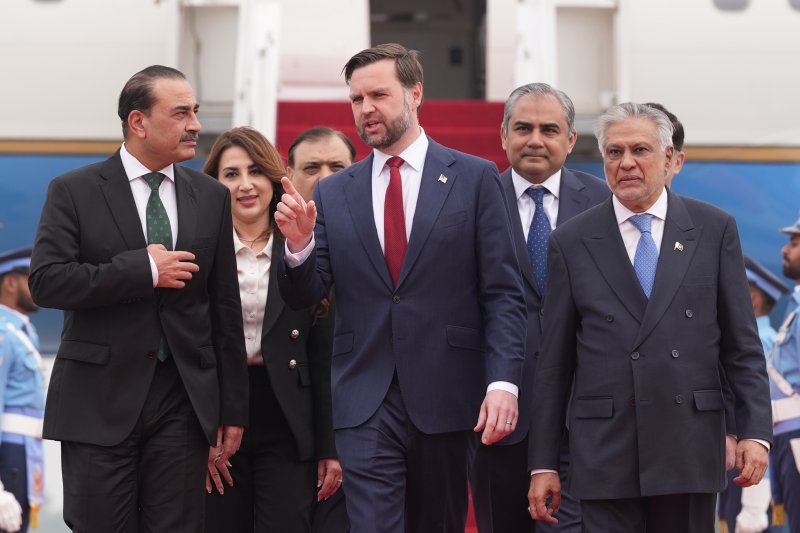
According to Pakistan, the mediating country, U.S. Vice President JD Vance, special envoy Steven Charles Witkoff, and Jared Kushner held about two hours of talks with Iranian parliament speaker Mohammad Bagher Ghalibaf and Foreign Minister Seyed Abbas Araghchi. During the negotiations, tensions and moments of easing reportedly alternated between the two sides, causing the atmosphere to shift repeatedly.
Military tensions have continued alongside the talks. The U.S. military said it had begun preliminary operations to clear naval mines in the Strait of Hormuz and claimed that two warships had passed through the strait. Iran flatly denied this, keeping up a war of nerves.
The gap over core issues remains wide. Iran is demanding the release of its frozen overseas assets, control over the Strait of Hormuz, payment of war reparations, and a broad regional cease-fire that includes Lebanon. It is also insisting on the right to collect transit fees from ships passing through the strait. The U.S., by contrast, is setting as minimum conditions the guarantee of freedom of navigation in the strait and the disabling of Iran’s uranium enrichment program.
The two sides are also clashing over the unfreezing of Iranian assets, an issue raised even before the talks began. Iran claims Washington agreed to release assets held in banks in Qatar and other countries, while the U.S. has denied this.
The war has already dealt a major blow to global markets. The closure of the Strait of Hormuz has sent international oil prices soaring and fueled fears of disruptions to energy supplies. Thousands of people have been killed, and the humanitarian toll continues to grow.
Meanwhile, the State of Israel, a U.S. ally, is continuing airstrikes against Hezbollah, a pro-Iranian armed group in Lebanon. Israel maintains that this conflict is separate from the current U.S.–Iran cease-fire talks.
[email protected] Reporter Lee Byung-chul Reporter