Hyun-Song Shin: "Current base rate is near the midpoint of the estimated neutral range"
- Input
- 2026-04-12 08:24:45
- Updated
- 2026-04-12 08:24:45
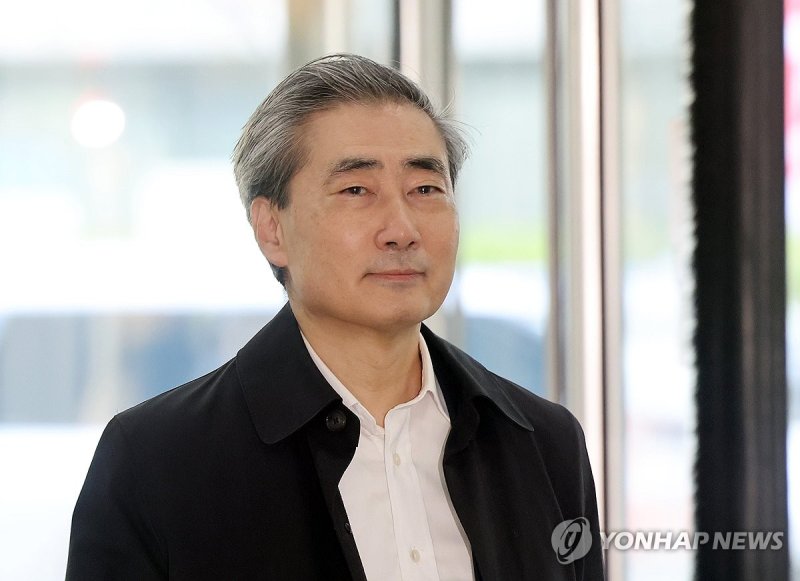
According to The Financial News, Hyun-Song Shin, nominee for governor of the Bank of Korea (BOK), said that the current base rate of 2.50% per year is roughly at the midpoint of the estimated neutral interest-rate range.
On the 12th, Shin gave this written response to Chun Ha-ram of the Reform Party (RP), a member of the National Assembly Planning and Finance Committee, drawing on "research inside and outside the BOK on Korea’s neutral interest rate."
The neutral interest rate is generally defined as the level at which economic activity is at its potential and does not create either inflationary or deflationary pressures. Saying that the base rate is around the "midpoint" of the estimated neutral range can be interpreted as implying there is little need for a sharp shift in the direction of monetary policy.
Studies inside and outside the BOK have typically put the neutral rate at around 2–3%. Shin therefore does not appear to be signaling a strong preference for monetary tightening, or a distinctly hawkish stance.
Shin added, however, "There is considerable uncertainty in estimating the neutral interest rate, as the results can vary greatly depending on the model, methodology, and time period used," and stressed, "When assessing the monetary policy stance, it is necessary to take into account not only the neutral interest rate but also overall financial conditions and the effects of policy in a comprehensive manner."
Shin cited external factors such as surging oil prices driven by heightened tensions in the Middle East and global risk aversion as key reasons behind the recent rise in the won–dollar exchange rate. He explained, "Because Korea is highly dependent on energy imports, higher oil prices worsen our terms of trade," adding, "The relatively strong performance of the Korean stock market had led global investors to rebalance their portfolios, and substantial net selling of Korean equities by foreign investors has also added to upward pressure on the exchange rate."
Shin also expressed a positive view on the National Pension Service (NPS) expanding its currency hedging, saying it would help ease supply–demand imbalances in the foreign-exchange market. Regarding the NPS diversifying its funding sources for investments by issuing foreign-currency bonds and similar instruments, he assessed that this could reduce foreign-exchange demand in the domestic FX market and thereby alleviate upward pressure on the exchange rate.
[email protected] Choi Hye-rim Reporter