International oil prices top $100 again as Strait of Hormuz remains effectively closed
- Input
- 2026-04-10 18:51:42
- Updated
- 2026-04-10 18:51:42
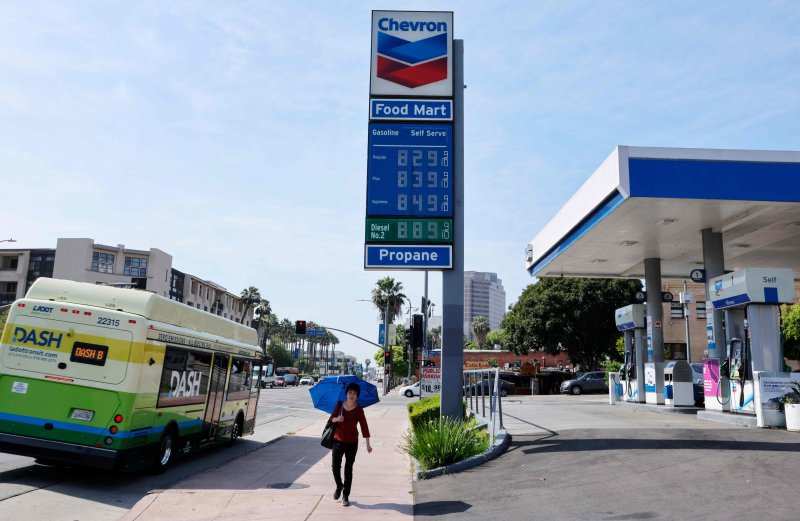
As tensions in the Strait of Hormuz show no signs of easing, international oil prices are once again climbing sharply.
As of 6:25 p.m. on the 10th, Korea Standard Time, the May delivery contract for West Texas Intermediate crude oil (WTI) on the New York Mercantile Exchange (NYMEX) in the U.S. was trading at $100.04 per barrel, up 2.2% from the previous session and back above the $100 mark.
At the same time, June Brent crude oil futures on ICE Futures Europe in London were also up 1.7%, trading at $97.59 per barrel.
This is because, despite a two-week cease-fire agreement between the United States of America (U.S.) and Iran, the Strait of Hormuz, the world’s most important oil shipping lane, remains effectively closed.
Market experts noted that restrictions on traffic through the Strait of Hormuz, which before the war handled about 20% of global oil supply, have sent market anxiety to extreme levels.
U.S. President Donald Trump warned on the 9th via his social media platform Truth Social that Iran is demanding transit fees from tankers passing through the Strait of Hormuz, declaring, "If they do not stop immediately, they will pay a price."
Because reopening the strait was a key condition of the cease-fire agreement, Iran’s actions are even raising the possibility that the deal could collapse.
Adrian Beciri, Chief Executive Officer (CEO) of logistics specialist Ducat Maritime, headquartered in Cyprus, described the current situation as one of extreme chaos.
In an interview with CNBC, he said, "There is currently no established way to transit the Strait of Hormuz," adding, "Even the ships that manage to get through are sailing extremely close to the Iranian coast, and the freight rates shipowners are demanding are beyond imagination."
To make matters worse, attacks on key energy infrastructure in the Kingdom of Saudi Arabia (KSA) are also fueling the rise in oil prices. According to the Saudi Press Agency (SPA), recent strikes by Iran have damaged the following facilities.
The East–West Crude Oil Pipeline in KSA has suffered disruptions of about 700,000 barrels per day after one of its pumping stations was hit.
KSA had relied on the East–West Crude Oil Pipeline, which uses the Yanbu Oil Export Terminal on the Red Sea coast as an alternative route to the Strait of Hormuz, but that infrastructure has now also come under attack, throwing its exports into crisis.
Analysts at Goldman Sachs forecast that, with imports from the Gulf region plunging to below 2 million barrels per day, buyers will have to rely on stockpiles or alternative suppliers for at least a month.
Some warn that soaring fuel prices could eventually dampen demand, but for now, upward pressure from supply shortages is far stronger.
[email protected] Yoon Jae-joon Reporter