Fed wary of war-driven inflation risks, signals 'two-way' rate path
- Input
- 2026-04-09 11:02:43
- Updated
- 2026-04-09 11:02:43
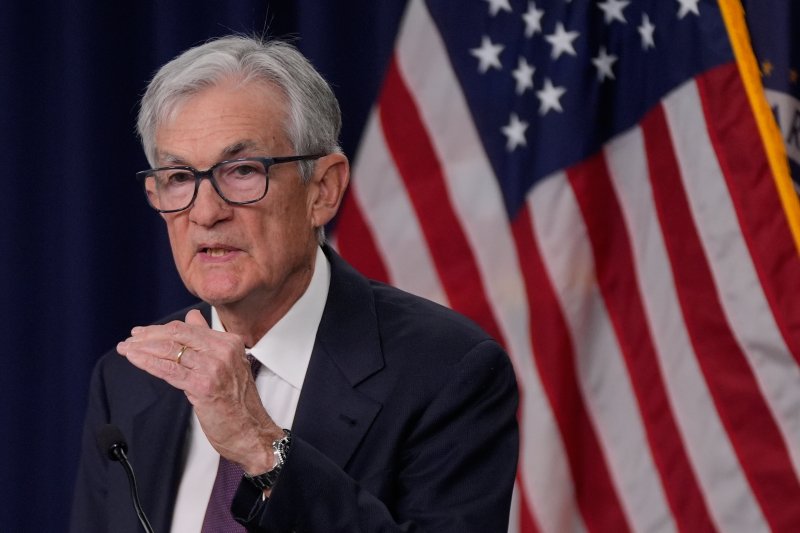
According to the minutes of the regular Federal Open Market Committee (FOMC) meeting held on March 17–18 and released on the 8th (local time), Fed officials judged that "there has been no further progress in reducing inflation over the past few months." Participants pointed to higher energy prices stemming from the Middle East crisis as a key factor for the future path of inflation. Most of them concluded that the return of inflation to the 2% target could take longer than expected, and that upside risks to inflation had therefore increased.
The minutes also reveal a subtle shift in views on the policy path. Many participants maintained the view that, if inflation falls as projected, it would be appropriate to lower interest rates over the longer term. However, a smaller group within them noted that they had pushed back the expected timing of rate cuts in light of the latest inflation data.
In addition, some participants argued that the policy statement should include a "two-way" description that signals both the possibility of rate cuts and rate hikes in future decisions. All participants agreed that monetary policy would not follow a preset course and would instead be determined at each meeting based on the incoming data.
Compared with the January meeting, when few officials even mentioned the possibility of raising rates, these discussions suggest that concerns over inflation risks have intensified in the wake of the recent outbreak of war and its repercussions.
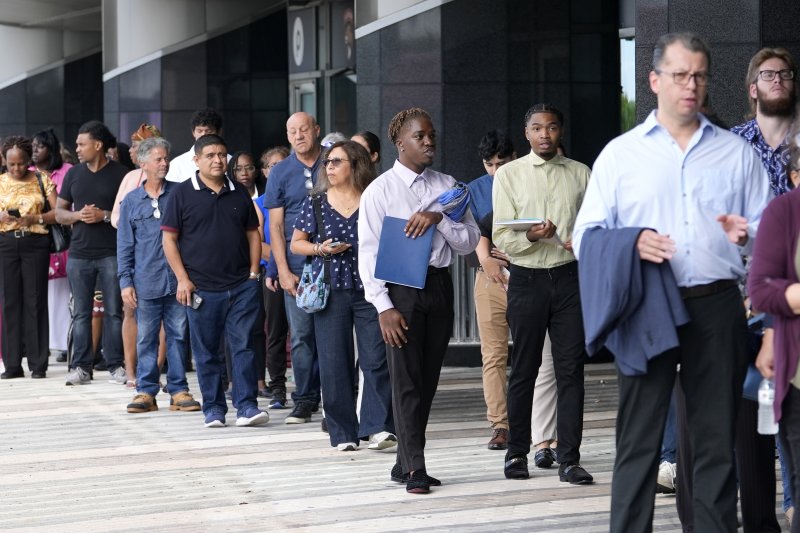
Media in the United Kingdom of Great Britain and Northern Ireland (UK) reported that "the discussions at the March meeting starkly illustrated how the Middle East conflict is pulling the Fed in sharply opposing directions, and how seriously it is threatening the central bank’s dual mandate of price stability and maximum employment."
[email protected] Hong Chae-wan Reporter