IEA: "Hormuz fallout could last for years," industry says "6–8 weeks to normalize"
- Input
- 2026-04-09 07:27:40
- Updated
- 2026-04-09 07:27:40
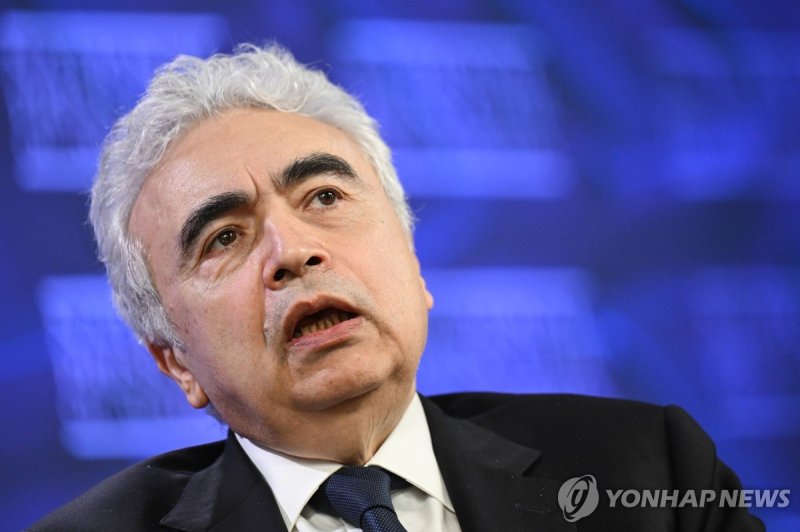
[Financial News] Fatih Birol, Executive Director of the International Energy Agency (IEA), warned that the impact of the Strait of Hormuz crisis will be long-lasting despite the cease-fire between the United States of America (US) and the Islamic Republic of Iran. Unlike the short-term plunge in oil prices, he assessed that the actual energy supply chain has already been damaged and will require considerable time to recover.
In an interview published on the 8th (local time) with the German daily Süddeutsche Zeitung (SZ), Birol said, "A large part of the energy infrastructure has been damaged, and it will take time to repair and restart it," adding, "The fallout may last not just for months but for years."
He noted that Europe can cope in the short term, but that supply pressures will intensify over time. In particular, he pointed to the risk of a rapid deterioration in diesel and kerosene supplies and possible disruptions to air traffic. While inventories and rerouted shipments can cushion the blow initially, he suggested that accumulating logistics bottlenecks could eventually trigger a real supply crisis.
Market reactions are mixed. International oil prices fell by about 20% immediately after the cease-fire announcement, yet European countries still see significant uncertainty and are maintaining price-control measures. Prime Minister Donald Tusk commented, "We are taking a very cautious view of the outlook for the coming weeks," and decided to keep in place the cap on retail fuel prices and the reduction in value-added tax.
The German government shares a similar view. Deputy spokesperson Sebastian Hille said, "Even if the Strait of Hormuz is reopened, it will be difficult to return quickly to pre-war levels," warning that "supply disruptions could recur at any time." He went on to stress that "realistic expectations are needed," drawing a line under hopes that oil prices will stabilize in the near term.
Upward pressure on prices also remains. Rising ship insurance premiums and discussions over transit fees for the strait are pushing up transport costs, which are being passed on to end consumers. Germany has introduced a rule this month limiting fuel retailers to one price increase per day, but because there is no price ceiling, diesel and gasoline prices continue to hit record highs.
The shipping industry is not optimistic either. German shipping company Hapag-Lloyd expects it will take six to eight weeks for routes through the Strait of Hormuz to return to normal and has advised vessels to avoid transiting the area. A.P. Moller - Maersk also judged that the current cease-fire does not provide sufficient guarantees for maritime safety.
[email protected] Kim Kyung-min Reporter