[Editorial] Even With a Ceasefire, Many Hurdles Remain Before Full Normalization of the Strait of Hormuz
- Input
- 2026-04-08 18:29:53
- Updated
- 2026-04-08 18:29:53
Both sides are claiming victory and say they have agreed on conditions to end the war, but the embers of conflict have not been completely extinguished. Still, given that they have at least agreed to a ceasefire and the likelihood of an immediate return to full-scale war appears low, this is a considerable relief for South Korea, which has been counted among the countries suffering the greatest damage from the conflict.
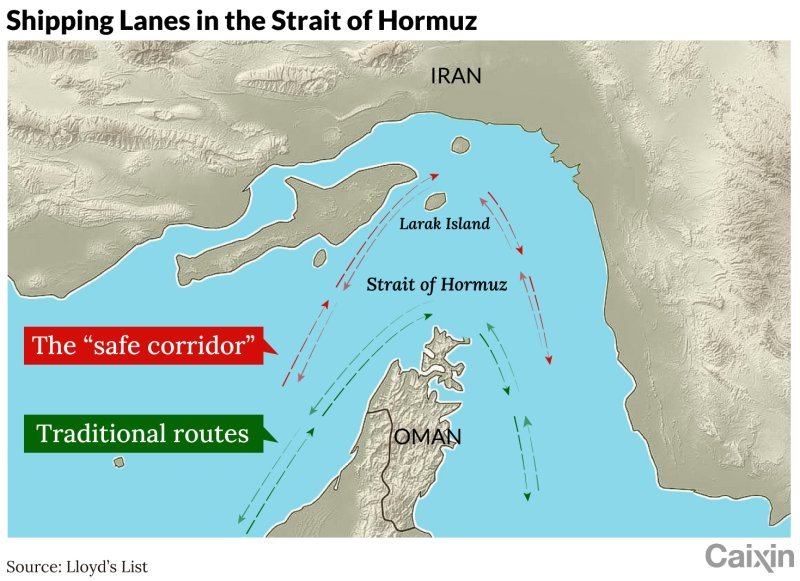
Even if a complete end to the war is achieved, it will take time for the economy to return to normal. Until conditions are restored to the prewar state, an emergency economic regime will have to remain in place. It is far too early to relax. The most critical task is to normalize crude oil imports, and that requires ensuring that navigation through the Strait of Hormuz is completely free and unthreatened.
It remains to be seen how negotiations between the two countries will unfold, but Iran is highly likely to use control over the Strait of Hormuz as a bargaining chip, and the United States of America may accept some of Tehran’s demands, such as transit fees. Even if passage becomes free again, South Korea, which is heavily dependent on Middle East crude, could end up shouldering additional financial burdens. At present, 26 South Korean vessels, including seven oil tankers, are stuck and unable to leave the Strait of Hormuz. Over the next two weeks, these ships must be moved swiftly back to South Korea to put out the most urgent fire first.
The war is not over, but the shock waves and challenges unleashed by the conflict between the United States of America and Iran are immense. As in the case of Japan, South Korea has been forced to recognize that a high level of dependence on the Middle East can plunge the economy into crisis in an instant. In normal times, we must secure energy supply chains, including crude oil, from relatively nearby regions so that we can respond when such sudden crises occur.
Energy occupies an almost absolute position in the economy. If the supply of naphtha is cut off, industries are paralyzed one after another. Alternatives to crude oil are also needed. South Korea must reduce its reliance on oil and gas and increase the share of nuclear energy in electricity generation. The share of new and renewable energy must inevitably grow as well, but that, too, is an energy source with no shortage of challenges.
The United States of America is likely to be deeply disappointed with South Korea’s response during this war. Japan and even member states of the North Atlantic Treaty Organization (NATO) also declined Washington’s request to dispatch warships, just as we did, but the United States of America may still present South Korea with a bill after the war. It could make demands unfavorable to us in areas such as trade with the United States of America or the stationing of United States Forces Korea (USFK) and other security issues.
It may look as if the war is over, but it is far from completely finished. A return to the peace of the past appears even more difficult. The aftereffects of the conflict will weigh on the global economy, including South Korea, for a considerable period. The international situation has been changing rapidly in recent years. For the United States of America, there is no such thing as an eternal ally or an eternal enemy. The only viable approach is to respond flexibly in diplomacy, case by case, based on our national interest.
Unexpected crises similar to this war can erupt at any time in the international community. Unless we strengthen the fundamentals of our economy in normal times, it can stagger in an instant. South Korea must increase its crude oil reserves and broaden its supply chains. Being forewarned and prepared is not only relevant when we ourselves are at war. International conflicts that seem unrelated to us can also inflict enormous damage.