How far and how long will the Strait of Hormuz stay open? Refining and petrochemical uncertainty persists [U.S.–Iran two-week truce]
- Input
- 2026-04-08 18:07:01
- Updated
- 2026-04-08 18:07:01
■ Logistics and transit fee risks
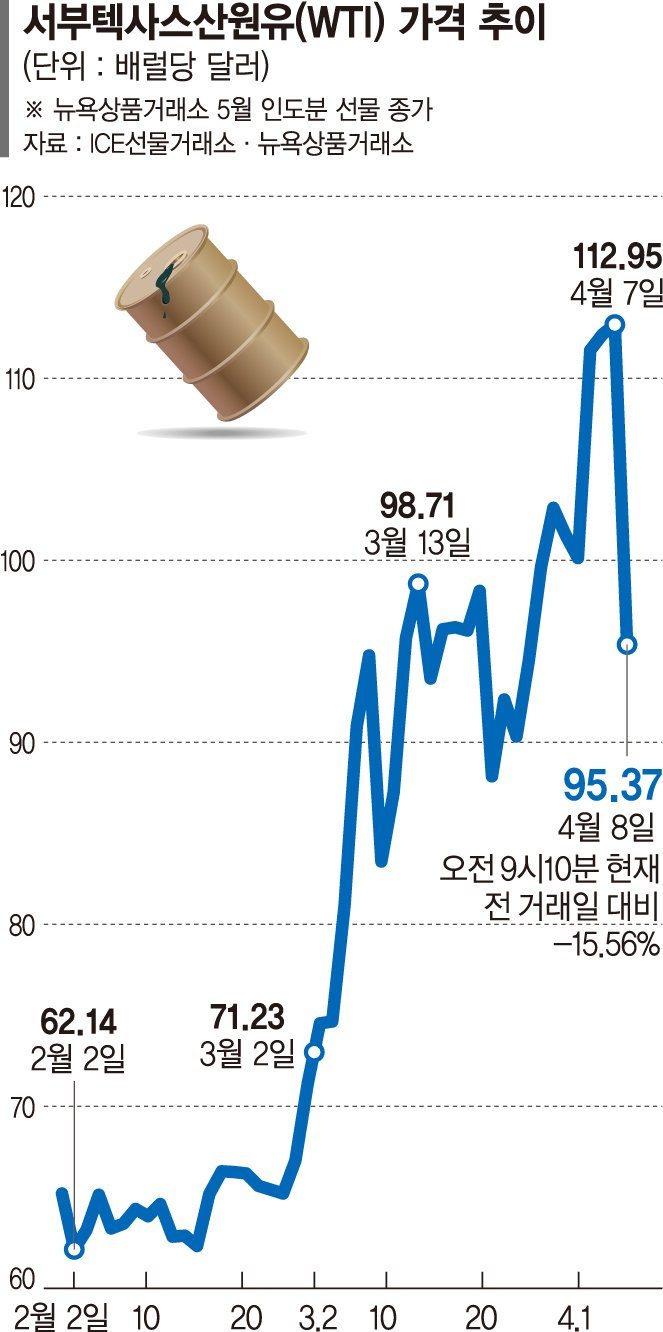
According to industry sources on the 8th, international oil prices fell by more than 10% immediately after the truce agreement. Naphtha, often called the "rice of industry" as a basic feedstock for the petrochemical sector and produced by refining crude oil, is also expected to stabilize in price as crude prices decline.
If the Strait of Hormuz, a key chokepoint in global logistics, returns to at least partial normal operations, some expect the burden of transporting crude oil and Naphtha to ease.
On the ground, however, caution outweighs optimism. The truce is limited to two weeks, and it remains unclear when traffic through the strait will actually normalize and to what extent. There is also concern that political developments could quickly reverse the situation.
A new risk factor has also emerged. As the Islamic Republic of Iran moves to impose transit fees on vessels passing through the Strait of Hormuz, there is growing concern that logistics costs could rise further. The peace proposal Tehran reportedly presented to Washington includes a plan for Iran and Oman to collect tolls from ships transiting the strait and use the funds for reconstruction. Even if the strait reopens, the cost structure may look very different from before.
Lee Jinho, a researcher at Mirae Asset Securities, stated, "There is limited room for international oil prices to fall much further from current levels," adding, "Even if the strait is opened, it will take at least two to three months for supply to normalize, as logistics bottlenecks, inventory drawdowns, and delays in restarting oil fields all overlap."
■ Supply instability persists, earnings volatility to grow
Refiners are simultaneously hoping for supply stabilization and bracing for greater earnings volatility. In the early phase of the conflict, they benefited from using low-cost inventories, which boosted profitability. Once crude and product prices stabilize, however, higher-priced crude purchased during the crisis will be reflected in costs and could become a burden.
Analysts warn that the industry may be entering a headwind phase in which the "low-cost inventory effect" disappears and the burden of "high-cost inventory" comes to the fore. If inventory valuation losses from falling oil prices are added on top, earnings volatility is expected to increase further.
Feedstock supply instability also remains an ongoing issue. Not only refiners but also petrochemical producers are struggling to secure raw materials and are maintaining emergency measures such as adjusting operating rates. According to Independent Commodity Intelligence Services (ICIS), as of the end of last month, domestic Naphtha Cracking Center (NCC) utilization rates were stuck at around 55%.
In this environment, petrochemical companies are being forced to choose among three moving targets: price, supply, and timing. A source in the petrochemical industry said, "Right now it is difficult to secure feedstock, so we have no choice but to keep operating rates low," and continued, "We are doing everything we can to secure Naphtha, but if the path toward a formal end to hostilities becomes clearer, prices could fall. It is not easy to decide whether to buy now or wait until later."
[email protected] Gu Ja-yoon Reporter