Government Freezes Public Utility Charges, Expands Fuel Subsidies in Full-Scale Push to Stabilize Prices
- Input
- 2026-04-09 08:00:00
- Updated
- 2026-04-09 08:00:00
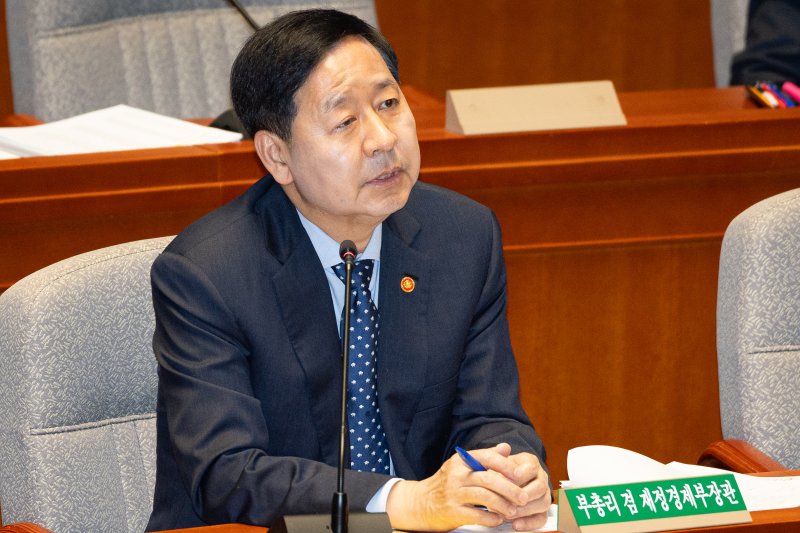
According to Financial News, the government is responding to inflationary pressures from surging energy prices by introducing a third round of maximum price controls and rolling out measures such as a freeze on public utility charges to stabilize consumer prices.
The Task Force of Related Ministers for Special Management of Consumer Prices on the 8th announced a plan titled “Inspection and Response to Price Trends by Item Related to the Middle East War,” outlining these measures.
The government will implement a third round of maximum price controls on petroleum products to curb the pace of price increases. It is also enforcing energy-saving measures such as an alternate-day driving system for public-sector vehicles, and plans to expand the share of fuel-linked subsidies to ease the burden on the transportation industry.
In the industrial goods sector, rising raw material costs, including Polyethylene (PE), have raised concerns about price hikes for downstream products. To stabilize the supply of paint raw materials, the government has applied special import exemptions under the Act on the Registration and Evaluation, etc. of Chemical Substances and shortened the lead time required for imports.
At construction sites, prices and supply instability for ready-mix concrete admixtures and asphalt have become an issue. In response, the Ministry of Land, Infrastructure and Transport (MOLIT) is using the Emergency Economic Task Force for Construction Sites to closely monitor sites at risk of shutdown and to promote financial support for construction companies. The government is also considering adjusting the timing of public construction tenders.
Prices of daily necessities remain generally stable. Household items such as plastic bags, toilet paper, diapers, detergents, cosmetics, and medicines have seen no recent price increases, and authorities are conducting daily price checks on key products. For volume-based trash bags, the government is reallocating surplus stock among local governments and working to shorten delivery lead times.
Food prices are also broadly stable, but the government will continue preemptive measures in case instability in the Middle East persists. Central and local public utility charges will remain frozen, and fiscal incentives will be expanded for local governments that cooperate in stabilizing prices.
In addition, the government plans to review, within the first half of the year, the results of collusion investigations into key items such as wheat flour, starch-based sweeteners, and printing paper. With the KBO League season and major concert events underway, it will also step up monitoring and special crackdowns on ticket scalping.
[email protected] Kim Chan-mi Reporter