Following news of Hormuz reopening, government "verifying safe navigation"... mobilizing diplomatic channels to track each country's moves
- Input
- 2026-04-08 11:17:00
- Updated
- 2026-04-08 11:17:00
On the 8th, the Ministry of Foreign Affairs of the Republic of Korea began gathering information through diplomatic channels with other countries on when the blockade of the Strait of Hormuz will be lifted and which routes will reopen. A government official said, "We are currently verifying the details of the resumption of navigation in the Strait of Hormuz through various diplomatic channels," adding, "Once the information is confirmed, the Ministry of Foreign Affairs of the Republic of Korea, the Ministry of Oceans and Fisheries (MOF), and the Ministry of Trade, Industry and Energy of the Republic of Korea will coordinate efforts to ensure the swift and safe passage of our oil tankers."
The Ministry of Foreign Affairs of the Republic of Korea has been coordinating the possible resumption of navigation while communicating through diplomatic channels with countries such as Japan, France, and Iran.
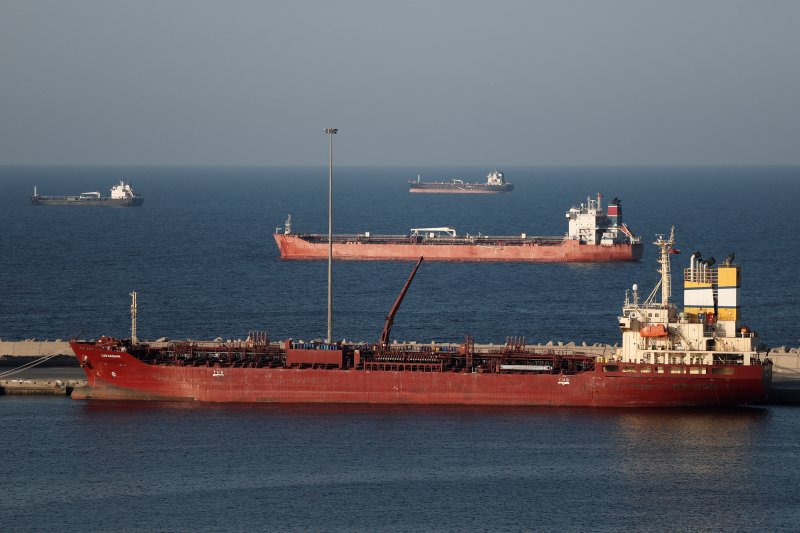
Of the 26 South Korean vessels stranded in the Strait of Hormuz, seven are oil tankers operated by domestic refiners. These seven tankers are reportedly carrying about 14 million barrels of crude oil in total. Four of the seven are operated by Korean shipping companies. There are no liquefied natural gas (LNG) carriers among the stranded vessels.
According to the International Maritime Organization (IMO), around 2,000 vessels worldwide are isolated in the Strait of Hormuz, with more than 20,000 seafarers on board. Ships from Japan, France, China, India, Thailand, and various Southeast Asian countries have been stranded.