[Editorial] Samsung Electronics’ 57 Trillion Won Milestone, Let It Soar to the Top of the World
- Input
- 2026-04-07 18:10:45
- Updated
- 2026-04-07 18:10:45
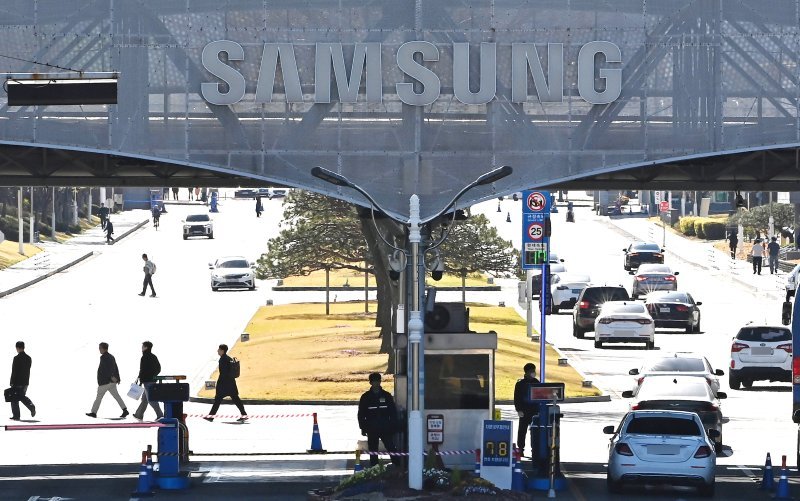
Even taking the semiconductor super-boom into account, this is an earnings surprise. The 57 trillion won profit far exceeds brokerage forecasts; the market consensus was around 41 trillion won. Samsung Electronics’ operating profit now ranks within the global top five among major big tech companies. Among big tech firms that have recently reported quarterly results, Apple posted the highest operating profit at 50.9 billion dollars, followed by Nvidia with 44.3 billion dollars and Microsoft with 38.3 billion dollars. Samsung Electronics, at about 38.0 billion dollars, comes right after them, ahead of Alphabet, which recorded 35.9 billion dollars.
These results once again underscore the power of semiconductors in the era of a sweeping artificial intelligence (AI) transition. Of the 57 trillion won in operating profit, 50 trillion won came from semiconductors. Estimated operating profit from Dynamic Random Access Memory (DRAM), including High Bandwidth Memory (HBM), is 41 trillion won. DRAM prices in the first quarter rose 90% from the previous quarter. Considering additional increases expected from the second quarter onward, annual DRAM prices are projected to be 250% higher than last year. As global companies relentlessly expand investment in AI infrastructure, Samsung Electronics, the dominant force in memory, is reaping the greatest benefit.
Samsung’s dominance could grow even further. At the current pace, some predict that Samsung Electronics could climb to No. 1 in operating profit worldwide as early as next year. Forecasts for its full-year operating profit this year have already been raised to over 300 trillion won, with some estimates going beyond 320 trillion won. That would leave only a gap in the 30-trillion-won range with Nvidia’s projected operating profit of 357 trillion won this year.
The opportunities are immense, but so are the risks. When Google recently unveiled TurboQuant, an AI algorithm technology that can improve memory efficiency, the share prices of Samsung Electronics and other memory chipmakers plunged. Although the technology is still regarded as being at the academic paper stage and stock prices have since recovered, the episode showcased the potential impact of new technologies. In-house chip development by global big tech companies could also shorten the current memory boom cycle. Samsung must prepare thoroughly for these possibilities.
It also cannot ignore the relentless pursuit by Chinese memory chipmakers. Improving the relatively low yield of its foundry business compared with Taiwan Semiconductor Manufacturing Company (TSMC) is an urgent task. Building the capabilities to wield real influence not only in memory but also in system semiconductors will be the final summit to conquer. If it clears these hurdles, Samsung Electronics can firmly establish itself as the undisputed semiconductor powerhouse and a leading force in the global AI ecosystem.
It is only natural that the government and political circles should actively back companies that are competing on the world stage. They must secure a strong pipeline of advanced technology talent and overhaul outdated labor regulations. Government must run just as hard as business.