IMF chief: "Oil supply down 13% due to war... higher inflation and slower growth inevitable"
- Input
- 2026-04-07 14:21:21
- Updated
- 2026-04-07 14:21:21

In an interview with a British media outlet on the 6th (local time), Georgieva said, "Even if the war is resolved quickly and the recovery is relatively fast, the IMF will revise its economic growth forecast downward and its inflation forecast upward."
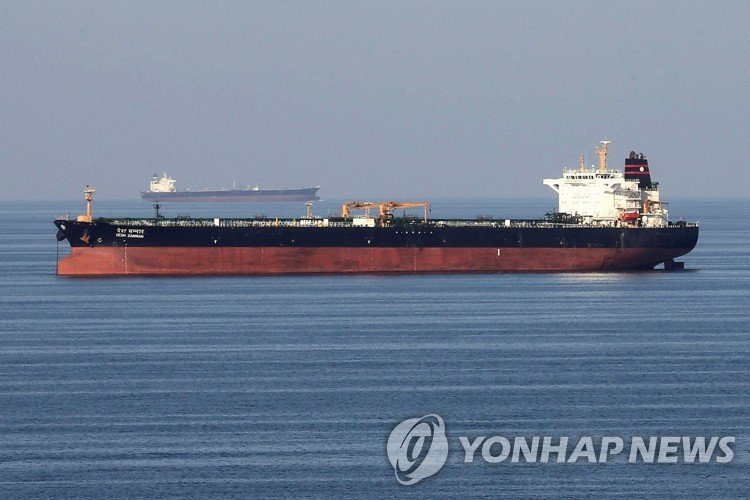
She noted, "All roads now lead to higher prices and weaker growth," adding, "The war has cut global oil supply by 13 percent, and the impact is spreading across related supply chains, including helium and fertilizers." She went on to say, "If the war drags on, the effects on inflation and growth will become even more pronounced."
On March 30, the IMF had already signaled the possibility of lowering its outlook, citing "asymmetric shocks from the war and tighter financial conditions." Absent the conflict, the Fund had been expected to slightly raise its global growth projections for this year and next, currently at 3.3 percent and 3.2 percent, respectively.
Without naming specific countries, she added, "Some countries have requested financial assistance. The IMF may expand existing lending programs to meet their needs," noting that 85 percent of IMF member states are energy importers.
The current war could also undermine food security. Georgieva said, "The IMF is working with the United Nations World Food Programme (WFP) and the Food and Agriculture Organization of the United Nations (FAO) on food security issues." She added, "While the IMF is not yet forecasting a food crisis, one could emerge if fertilizer supplies are disrupted."
In this context, the WFP also warned in mid-March that "if the war continues until June, millions of people will face severe hunger."
whywani@fnnews.com Reporter Hong Chae-wan Reporter