Fed Officials Warn Inflation at 'Orange' Alert Level, Say Prices Now Bigger Risk Than Jobs
- Input
- 2026-04-07 11:23:46
- Updated
- 2026-04-07 11:23:46
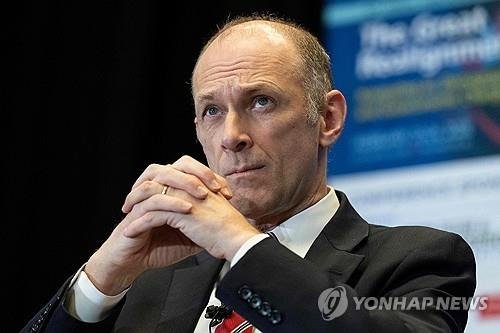
The two officials appeared together on an economics podcast by National Public Radio (NPR) on the 6th (local time). Asked to rate the current economy using colors, they both put inflation at an "orange" warning level. This is one step below red, the highest crisis level, but one step above yellow, which indicates caution.
Goolsbee said, "There had been optimism that inflation would return to the 2% target, but recently it has started to worsen again," adding that it is "a movement from orange toward red." He noted that tariff-driven price increases have lasted longer than expected, and that higher energy prices stemming from the Iran War are adding another stagflationary shock, combining weak growth with rising prices.
Hammack likewise said, "Inflation has been stuck above the target for an extended period," and assessed the situation as a "stronger shade of orange."
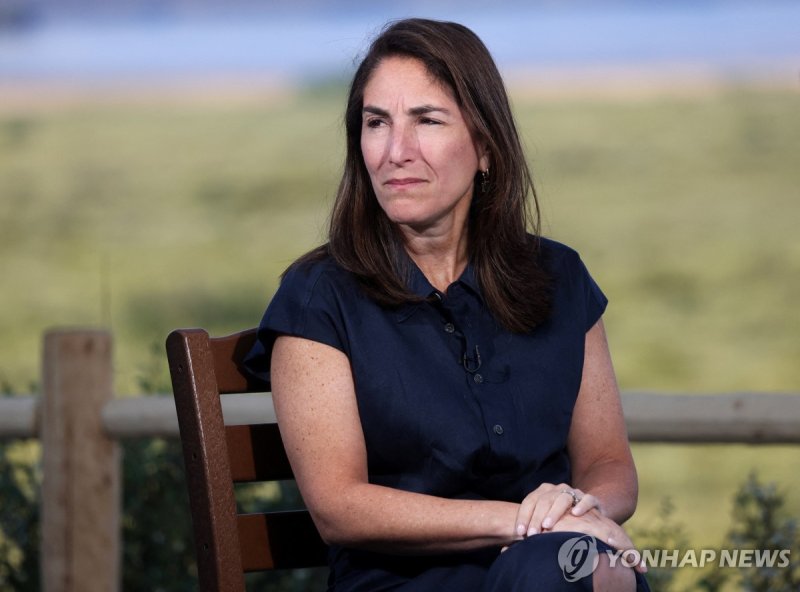
Hammack said the current unemployment rate is similar to what she considers full employment, and rated labor market conditions as "between yellow and green." She added that the financial system as a whole also appears broadly stable.
Goolsbee, by contrast, took a more cautious view of both the labor market and asset markets. In particular, he pointed to the "possibility of a bubble" in asset prices and highlighted the uncertainty surrounding them.
whywani@fnnews.com Hong Chae-wan Reporter