Iran Rejects US Ceasefire Proposal, Demands Guarantee of Permanent End to War
- Input
- 2026-04-07 06:16:14
- Updated
- 2026-04-07 06:16:14
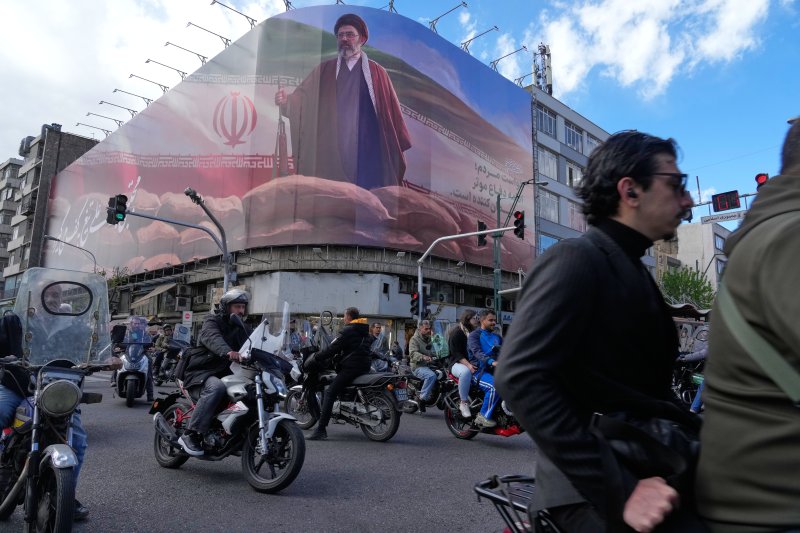
The Financial News reported, citing Islamic Republic News Agency (IRNA) on the 6th (local time), that the Islamic Republic of Iran has rejected a ceasefire proposal put forward by the United States of America (US), insisting that any deal must guarantee a permanent end to the war.
Esmail Baghaei Hamaneh, spokesperson for the Iranian Ministry of Foreign Affairs, stated, "Our demands are not a signal of compromise but a reflection of our confidence in being able to defend our position," and dismissed the US’s existing list of 15 demands as "excessive."
In its written response, consisting of 10 clauses, the Islamic Republic of Iran calls for a complete end to the conflict, the establishment of a protocol to ensure safe navigation in the Strait of Hormuz, the lifting of sanctions on Iran, and assistance for post-war reconstruction.
Asim Munir, Pakistan’s chief of army staff, has been attempting to mediate by engaging with James David Vance, Vice President of the United States, and the Iranian foreign minister. However, the gap between the two sides remains wide. Pakistan has proposed a framework calling for an "immediate ceasefire followed by a final agreement within 15 to 20 days."
President of the United States Donald Trump further escalated pressure at a press conference, warning, "The Islamic Republic of Iran could disappear from the map overnight, and that night could be tomorrow night."
He added that he would bomb every bridge and power plant in Iran so that they would be "unusable forever," and indicated he was unconcerned by warnings that strikes on civilian infrastructure could constitute war crimes.
Meanwhile, Iranian state media reported that Majid Khademi, the intelligence chief of the Islamic Revolutionary Guard Corps (IRGC), has been killed.
Israel Katz, Minister of Defense of the State of Israel, threatened to destroy Iran’s infrastructure and to hunt down its leaders "one by one."
The Israel Defense Forces (IDF) also announced that it had targeted the Iranian Air Force through a series of airstrikes on Bahram Airport, Mehrabad International Airport, and Azmayesh Airport.
The Iranian government acknowledged that two of its petrochemical complexes had come under attack.
Prime Minister of Israel Benjamin Netanyahu said that the strikes on petrochemical facilities in southern Iran were part of an operation aimed at dismantling a key "source of revenue" for the IRGC.
jjyoon@fnnews.com Yoon Jae-joon Reporter