[Editorial] Responding to High Oil Prices While Reforming the Oil Distribution System
- Input
- 2026-04-06 18:31:28
- Updated
- 2026-04-06 18:31:28
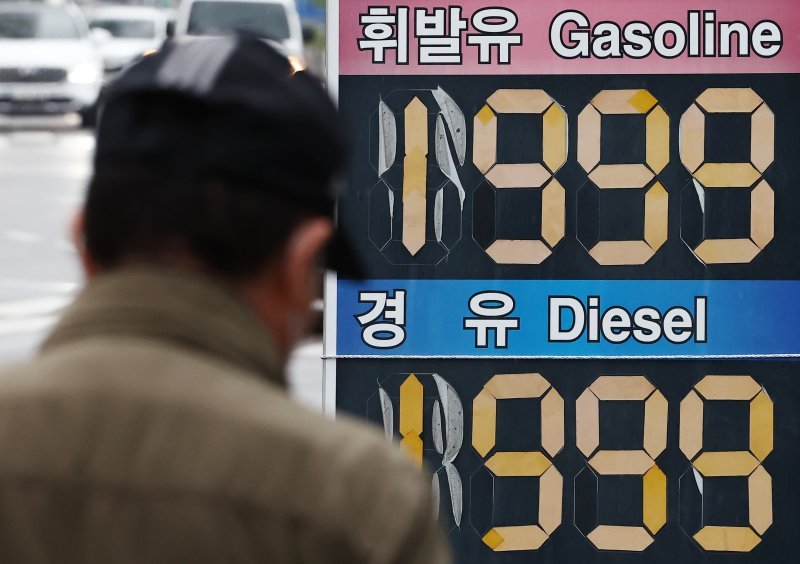
In the early stages, the maximum oil price system helped restrain pump prices at gas stations.
There had been serious concern that anxiety over supply volumes would trigger hoarding, but the introduction of the maximum price system helped suppress such irrational market sentiment.
However, as time passes, cracks are appearing throughout the fuel distribution market.
The fact that oil distributors have issued an appeal saying, "At this rate, we cannot hold out for even a month," is a clear warning sign.
An emergency measure introduced in an emergency situation is now breeding unintended side effects.
This does not mean that the maximum price system itself is inherently flawed. Rather, it appears that a long-entrenched distribution structure in the existing oil market has reached its limits under the newly introduced maximum price system and the supply instability that followed the Iran crisis. A prime example is the problem created after the maximum price system took effect, when refining companies began applying the same supply price to both oil distributors and gas stations. Distributors must pass fuel on to gas stations while accepting losses, without receiving a single won to cover their basic distribution costs. This means the wholesale distribution network, which has supplied 43% of the fuel delivered to gas stations nationwide, is now being shaken. Once a distribution network collapses, it costs far more to rebuild it. Even so, the approach to managing the distribution ecosystem this time must be different. It is not enough simply to address the side effects of the maximum price system. Policymakers should also look at ways to improve the irrational distribution structure that has solidified over decades as mere custom. One representative example is the "post-settlement system" under which refining companies first supply fuel to gas stations and settle accounts a month later. At a time of volatile international oil prices, this system has further distorted fuel distribution prices and intensified market confusion. It is fortunate that the ruling party and government have reached a basic agreement to shorten the current one-month settlement cycle to within one week. We hope they will move quickly to rationally reform such flawed distribution structures. The question is whether the decision announced that day will actually work on the ground. The post-settlement system is a long-standing practice between refiners and gas stations. Because the interests involved are so complex, it will not be easy to change it overnight. Authorities must also consider a concrete monitoring framework to ensure implementation, along with sanctions for violations. They should also examine whether other irrational practices that have long been overlooked need to be rectified. The gas station industry argues that the percentage-based card fee system for gas stations, set at 1.5% of sales, should be reviewed. Because the fee is calculated as a percentage, card companies earn more as oil prices rise. In other words, while consumers and gas stations bear the pain of high oil prices, card companies alone enjoy windfall gains. There needs to be discussion on whether measures such as adjusting fee rates during periods of high oil prices are necessary. Securing crude oil is important, but if the domestic distribution network is shaken, price stability will also be difficult to achieve. This should be an opportunity to devise ways to rationalize the domestic distribution structure as well.