As Oil Flows Are Choked Off, Plastics, Packaging, Food and Healthcare Face a Domino Collapse
- Input
- 2026-04-06 09:26:02
- Updated
- 2026-04-06 09:26:02
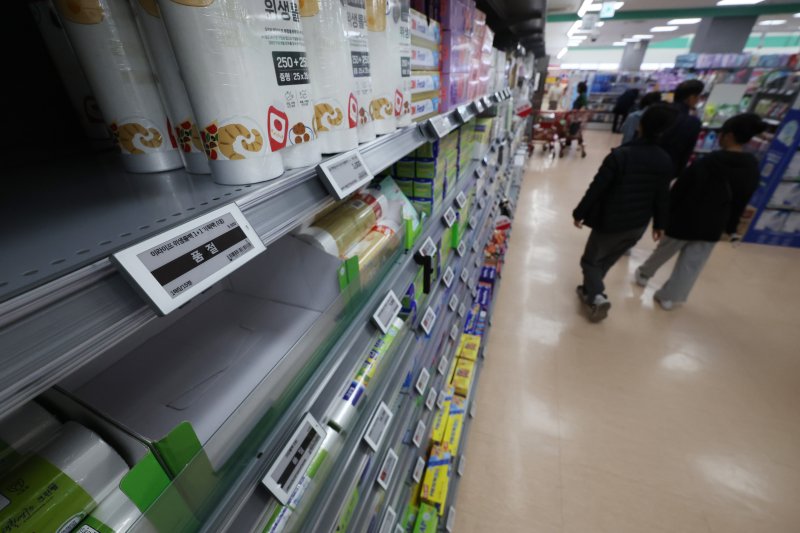
According to Cable News Network (CNN) on the 5th local time, people in South Korea have begun hoarding garbage bags, while rice farmers in Taiwan are being forced to raise prices because they cannot secure vacuum packaging bags. The inability to produce certain medical products is particularly alarming, as it poses a direct threat to patients' lives. In Japan, a shortage of plastic medical tubes used for blood dialysis is fueling fears that people with chronic kidney failure may be unable to receive treatment, and glove manufacturers in Malaysia say they are struggling to supply medical gloves worldwide because they lack the petroleum-based raw materials needed to make rubber latex.
Companies are resorting to steep price hikes as a last-ditch measure. A major packaging wholesaler in Thailand has raised prices for the clear cellophane bags used by restaurants and delivery services by 10%. In India, the price of caps for bottled water has quadrupled since the war began. In South Korea, Nongshim has warned that its packaging supplier has only one month of inventory left, putting instant noodle production at risk of disruption.
Experts caution that consumer goods with a high dependence on packaging, such as cosmetics, could be the first to face acute shortages. In fact, a polyester manufacturer in Haining, Zhejiang Province, China has halted new orders after raw material prices surged by 50%. In Indonesia, where packaging costs have doubled, companies are thinning their packaging, and some are exploring alternatives such as paper, glass, aluminum and recycled plastics. However, industry officials note that issues related to durability, safety standards and retooling production lines mean such shifts could take at least six months.
The Middle East supplies 17% of the world’s naphtha, 30% of its plastic resins, 45% of sulfur used in fertilizers, and 33% of helium, which is essential for semiconductors, medical equipment and aviation. As this supply chain wobbles, the impact is expected to spread beyond Asia to the U.S. Fertilizer prices for American farmers have already jumped by one-third. Experts analyze that "a sequential supply collapse, in which shocks spread in stages as they did during COVID-19, is now moving westward."
Asian countries have tried to respond by releasing strategic oil reserves, imposing fuel price caps and shortening working hours. But starting in April, the last crude shipments that left before the war will arrive, and the supply crunch is expected to intensify in earnest. JPMorgan Chase & Co. assessed that "the focus of the problem has shifted from prices to physical shortages" and that "Asia has moved beyond the prevention phase and entered a real crisis." Experts predict, "Even if the Strait of Hormuz were to return to normal tomorrow, it would take at least several months for the plastics industry to regain stability."
[email protected] Hong Chae-wan Reporter