"Japan Is Also Running Out of Oil"... Government Weighs Measures to Curb Consumption
- Input
- 2026-04-04 13:02:30
- Updated
- 2026-04-04 13:02:30
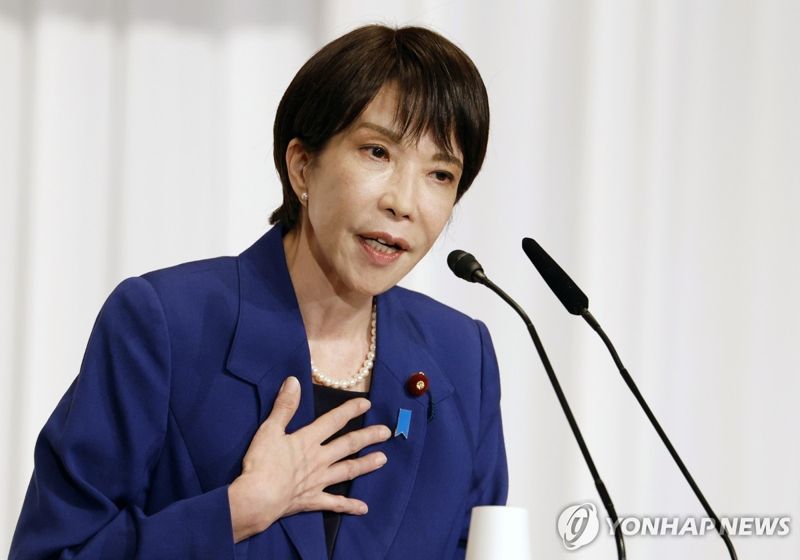
As the Iran War drags on, the Japanese government has begun reviewing demand-suppression measures, including calls for energy conservation. According to Yonhap News Agency and other outlets on the 4th, Ryosei Akazawa, Japan's minister of economy, trade and industry in charge of oil supply measures, said at a press conference the previous day, "We intend to review every possible policy, including measures on the demand side, in a way that does not have a major impact on the national economy." He also indicated that the government is considering asking the public to save energy.
Prime Minister Sanae Takaichi had already been asked in Japan's National Diet on the 2nd whether she planned to call on the public to save electricity and cut back on consumption. She replied at the time, "We will respond flexibly in line with circumstances, without ruling out any possibilities."
So far, the Japanese government has not implemented demand-suppression policies such as restrictions on the use of private cars. Officials judge that, with about eight months' worth of oil reserves, the country can still secure crude oil supplies for the time being.
However, as uncertainty surrounding the Iran War persists, supplies of various petroleum products have become unstable, and problems are already emerging across Japanese society.
On the 30th of last month, local governments in Yokohama and Kyoto were unable to proceed as planned with tenders for diesel needed to run buses. They asked the central government for cooperation to ensure stable fuel supplies and for financial support.
Segawa Kisen, a ferry operator that runs passenger services between Saikai City and Sasebo City in Nagasaki Prefecture, has had difficulty securing diesel since the 23rd of last month and has reduced the number of sailings. Some hospitals struggling to obtain medical supplies have even warned that they may have to suspend medical services.
A dental clinic director in Tokyo told Yomiuri Shimbun that the clinic has only about one month of stock for medical equipment and other supplies, adding, "If this situation drags on, we will have to consider suspending treatment."
When the 1973 oil crisis hit, Japan implemented extremely strong demand-suppression measures, including the "Electricity Use Restriction Order," which required large factories and other major power users to cut their electricity consumption by 15%.
Mainichi Shimbun reported, "Within the Japanese government, a plan is emerging to ask the public to save gasoline and reduce electricity use after the Golden Week holidays in May." The paper added, "However, because this could affect the cabinet's approval ratings, the government is expected to proceed cautiously."
Although Japan relies on the Middle East for more than 90% of its crude oil imports, the government has maintained that, thanks to its oil reserves, it does not expect supply-and-demand problems in the near term.
An official at the Ministry of Economy, Trade and Industry (METI) told Mainichi Shimbun, "If things continue like this into the summer, there is a risk that we will face shortages of fuel needed for power generation."
[email protected] Han Young-joon Reporter