“Have You Heard of Grandma Shared Housing?” Easing the Jeonse and Monthly Rent Crunch with Room Sharing [Real Estate Walk]
- Input
- 2026-04-04 09:00:00
- Updated
- 2026-04-04 09:00:00
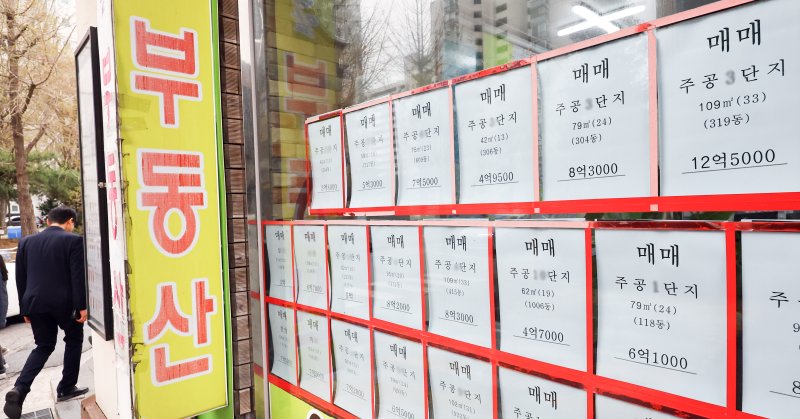
The jeonse and monthly rent situation in Seoul is becoming serious. In some areas, the number of rental listings has fallen to less than half of what it was at the beginning of the year. These include Guro District, Nowon District, Dobong-gu, and Gangbuk District, which are mainly working-class residential areas. Even the Gangnam 3 Districts (Gangnam-gu, Seocho-gu, and Songpa-gu) and the Han River Belt are not exempt from the decline in rental supply.
Urgent needs, but a long road ahead for rental supply
With the end of the capital gains tax relief for multiple home owners and the introduction of the Land Transaction Permit System, which imposes actual-residence obligations, properties held by rental business operators are being put up for sale instead of rent. As more tenants choose to renew their jeonse or monthly rent contracts, the supply of available units is shrinking further.
The Seoul Metropolitan Government has announced that, to stabilize the market, it will supply 123,000 homes through existing schemes such as the Long-term Jeonse Deposit Support Program and will newly introduce the “Baro Nae Jip” program. However, in reality, it is difficult for people to feel any immediate impact from these measures.
The Ministry of Land, Infrastructure and Transport (MOLIT) is also pushing to make it easier to convert the use of commercial buildings, such as retail space, offices, and knowledge industry centers, into residential use. Yet, once you factor in remodeling time and costs, it is hard to gauge how much additional housing supply can actually be created.
Is there no way to provide housing space to young people and low-income groups quickly and at low cost? At the same time, the surge in foreign tourists is said to be creating a shortage of affordable accommodation.
Since officetels that had been allowed to operate as urban homestay accommodation have had to stop, about 40,000 rooms are now lacking. In particular, operating urban homestay accommodation in apartment buildings requires residents’ consent because of various side effects, which in practice is very difficult to obtain.
Room sharing, proven effective in advanced economies, deserves consideration
We should consider turning this type of space into long-term housing for young people. It would likely be quite effective if older homeowners offered their spare rooms at low monthly rents in the homes where they already live.
Recently, a case in northern Seoul drew attention when an elderly woman living alone offered a room and bathroom that could be used independently as a rental. This kind of arrangement is called “room sharing,” and in the United States it has already become a successful shared-housing business model operated by private companies. The most representative example is a company called “Silvernest.”
Silvernest matches homeowners with roommates, but only after thorough screening. It examines whether there are any issues with the property, whether the homeowner has any medical or health problems, and what the home environment is like. Roommates are also vetted, including whether they have a suitable job or attend school and whether they have any criminal record, before a match is made. There are other companies running similar businesses as well. “HomeShare Vermont” operates such a program within the State of Vermont.
Rental supply is likely to continue to decline sharply. If the homes where people currently live and run an urban guesthouse business were instead offered to young people without homes, rather than to foreign tourists, residents’ consent might no longer be necessary. While shared lodging for foreigners should also be promoted, in areas that are not popular with foreign visitors it would be desirable for the central or local governments to directly operate this kind of “room sharing” program.Choi Won-cheol, supervising professor of the Yonsei University Advanced Program in Future Real Estate Development※ This article reflects the author’s personal views and may differ from the editorial stance of this newspaper.
[email protected] Lee Jong-bae Reporter