LG Chem warns of "polymer supply difficulties" as naphtha crunch spreads across industries
- Input
- 2026-04-02 14:13:30
- Updated
- 2026-04-02 14:13:30
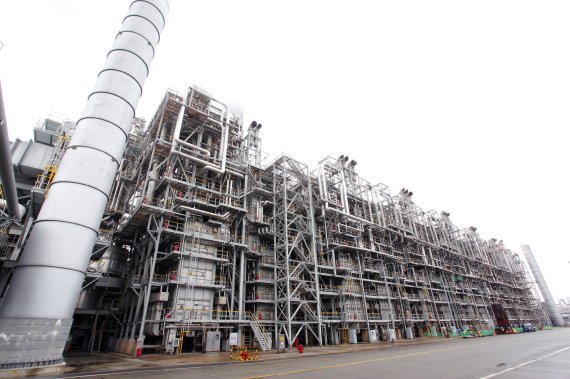
As raw material supply disruptions from the Middle East become a reality, supply risks in the domestic petrochemical sector are rapidly expanding. Financial News reported that LG Chem has notified customers of delays in polymer shipments, raising the likelihood that the impact will spread across downstream industries such as packaging, textiles, and home appliances.
According to industry sources and Independent Commodity Intelligence Services (ICIS) on the 2nd, LG Chem informed major customers last month that polymer supply would be delayed due to raw material shortages and that a force majeure situation could arise. Until now, supply disruptions had been known mainly in Acrylonitrile Butadiene Styrene (ABS), but this is the first time it has been confirmed that the problem has expanded to polymers more broadly.
Polymers are high-molecular materials produced from basic feedstocks such as ethylene and propylene, and they serve as key intermediates for a wide range of plastics including ABS, Polyethylene (PE), and Polypropylene (PP). Because they are used extensively across the economy—in food packaging, cosmetic containers, clothing fabrics, and components for home appliances and automobiles—any supply disruption tends to ripple through the entire consumer goods sector.
In a letter to customers, LG Chem stated, "Even after the outbreak of war between the United States and Iran, we continued production to honor our contracts, but securing key raw materials such as naphtha is becoming increasingly difficult." The company added, "We plan to postpone shipment schedules for part of the contracted volumes, and it is becoming hard to operate several polymer production facilities as planned." It went on to say, "Deliveries of raw materials we have already secured are being delayed, and new procurement volumes are also limited," noting, "Even if we obtain additional volumes, the cost burden would be at an unsustainable level."
Force majeure is a clause invoked to exempt a party from liability when contract performance becomes difficult due to uncontrollable external factors such as war. Suppliers are required to notify customers immediately if they foresee supply disruptions. After Yeochun NCC declared force majeure, major companies including Lotte Chemical have also warned of the possibility, making supply chain instability increasingly tangible.
Analysts say the situation exposes the vulnerability of South Korea's naphtha supply structure. The country relies on imports for more than half of its naphtha, and a significant portion of those shipments pass through the Strait of Hormuz. On top of that, about 70% of crude oil imported into Korea comes from the Middle East, leaving the nation directly exposed to geopolitical risks.
LG Chem secured 27,000 tons of Russian naphtha on the 30th of last month, but this volume covers only about three to four days of demand. The fact that the company moved to obtain even this limited amount underscores how urgent the raw material situation has become. Other domestic naphtha cracking companies such as Yeochun NCC are also exploring the possibility of importing Russian naphtha, as they scramble to secure any additional naphtha they can.
Within the industry, there is growing concern that a prolonged naphtha shortage could lead to deeper production cuts and supply disruptions in downstream sectors. In particular, as polymer supply problems materialize, observers warn that the shock could spread across the entire economy, from packaging and textiles to home appliances.
[email protected] Koo Ja-yoon Reporter