Under Pressure, Trump Drops Simultaneous 'Tariff Bombshells' on Pharma, Steel and Aluminum
- Input
- 2026-04-02 10:03:44
- Updated
- 2026-04-02 10:03:44
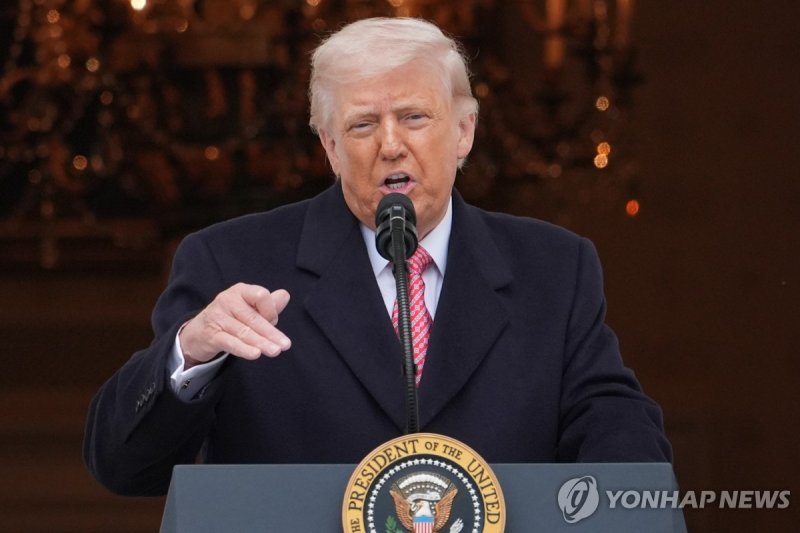
According to US media on the 1st (local time), the Trump administration is expected to soon impose tariffs on drugmakers that have not lowered medicine prices in the US.
From shortly after taking office in January last year, Trump has used tariffs as leverage to pressure global pharmaceutical companies to cut the prices of medicines sold in the US to levels similar to those in other advanced economies. In line with this, drugmakers such as Novo Nordisk and Eli Lilly and Company, which sell major obesity treatments including Wegovy, agreed with the Trump administration last November to sharply reduce drug prices. After that agreement, the Trump administration granted Novo Nordisk and Eli Lilly and Company a three‐year exemption from tariffs on pharmaceuticals.
The latest tariff plan is reportedly based on Section 232 of the Trade Expansion Act of 1962 (Section 232), which allows the US government to impose tariffs on certain imports on national security grounds. In this context, the Trump administration has been reviewing a proposal to levy a 100% tariff on imported medicines and patented drugs. The plan could be announced as early as the 2nd, but sources said it has not yet been finalized. They also indicated that some specific medicines or disease areas may be granted exemptions.
The Trump administration is extending its reach beyond pharmaceuticals to the steel and aluminum industries as well. On the same day, The Wall Street Journal (WSJ) reported that the administration is preparing to announce a plan to impose a 25% tariff on finished products made with imported steel and aluminum. Currently, the US applies tariffs of up to 50% based on the share of steel and aluminum contained in a product. Under the new approach, a 25% tariff would be applied to the entire price of the product. Sources familiar with the matter said Trump could issue a presidential proclamation outlining the plan as early as this week.
As a result, the nominal tariff rate on most steel and aluminum products would fall, but the actual tariff burden is likely to increase. Because the duty would be levied on the full import price rather than just the steel and aluminum content, the tax base itself would rise. On this point, the Journal noted, "The Trump administration is likely to collect more revenue through this overhaul of steel and aluminum tariffs," adding that "this could partially offset the decline in tariff income that followed the Supreme Court of the United States (SCOTUS) decision in February invalidating another set of Trump tariffs, the reciprocal tariffs."
[email protected] Hong Chae-wan Reporter