[Editorial] Switching to Direct Election for the NACF President Is Only One Part of Reform
- Input
- 2026-04-01 18:40:02
- Updated
- 2026-04-01 18:40:02
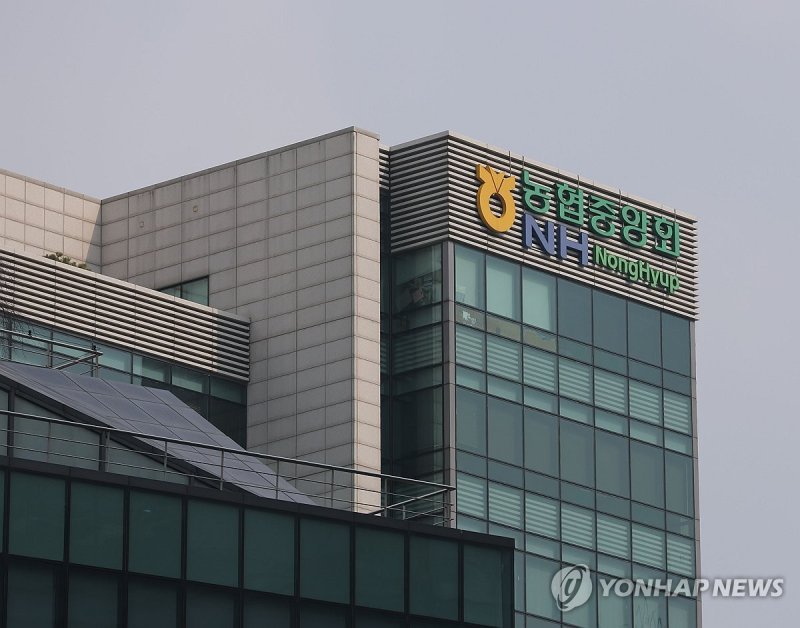
However, it is overly optimistic to expect that simply changing the election method will transform the organizational culture of the NACF. Revising the system does not automatically change entrenched internal practices and customs. It is true that the indirect election system has produced serious problems, so considering a shift to direct elections at this point is understandable. A structure in which a small number of cooperative heads hold the casting votes is highly prone to bribery, lobbying, and backroom collusion. Allegations of embezzlement and illicit payments surrounding the President of the National Agricultural Cooperative Federation must not be allowed to hold back the development of the entire organization.
Yet even with a direct election system, the deep-rooted structural problems in the NACF’s organizational culture are unlikely to disappear. If the fundamental causes are left untouched and only the formal system is changed, corruption will simply reappear in a different form. This is why there is already considerable pushback against the planned shift to direct elections. Once the system changes, large-scale campaigns targeting 1.87 million members will become the norm.
In any election, the larger the scale, the more advantageous it becomes for candidates backed by nationwide political networks and ample financial resources. Under the indirect system, the main problem was the buying of cooperative heads; under a direct system, massive campaign operations and media-driven opinion battles could contaminate the electoral process. The concern does not end with overheated internal elections within the NACF. There is also a real risk that the election for the President of the National Agricultural Cooperative Federation will become entangled with local politics. It could even degenerate into a proxy contest for ordinary regional elections.
Changing the election method is important, but it is even more urgent to introduce institutional mechanisms that firmly embed a sound organizational culture. Regardless of how the president is chosen, there must be structural checks that prevent any officeholder from abusing power over the NACF’s vast assets and sprawling organization. Without such safeguards, the same problems will recur, whether the system is direct or indirect.
In this regard, it is a positive step that the South Korean government has announced plans to appoint an external figure as chair of the board and to strengthen the audit committee. But this alone is not enough. It is time to consider tightening eligibility requirements for candidates and clearly defining, by law, the scope of the president’s authority. Many other issues also demand attention, including parachute appointments to affiliates and the rehiring of retired officials.
The NACF is more than a simple cooperative; it is a core institution that has long underpinned South Korean agriculture. It supports the rural economy while touching nearly every aspect of farmers’ lives. For that reason, the NACF’s organizational health is not just a concern for farmers, but a matter of public interest for the entire nation. The reform of its election system should be seen not as the completion of reform, but as a starting point. Both the South Korean government and the political establishment must keep this firmly in mind.