Tourists in Hong Kong Must Unlock Their Phones or Face Up to One Year in Jail
- Input
- 2026-03-31 13:28:04
- Updated
- 2026-03-31 13:28:04
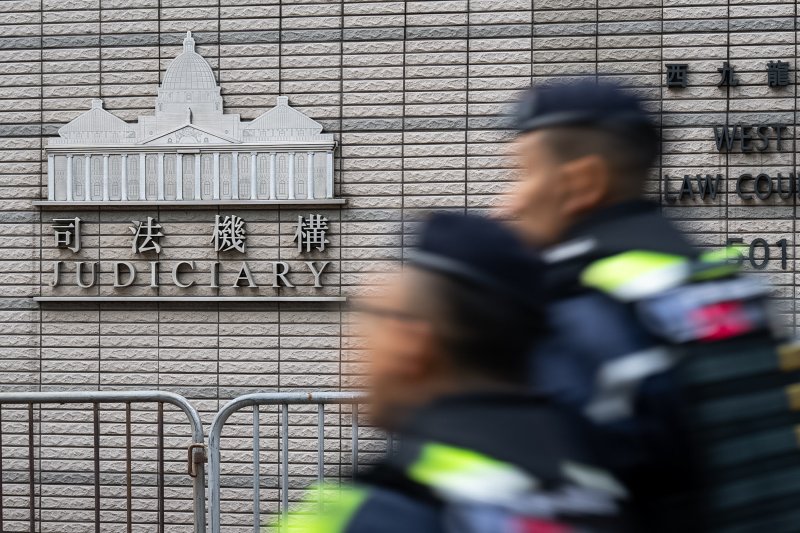
[The Financial News] The Hong Kong Special Administrative Region of the People's Republic of China has mandated that all people staying in the city, including foreign visitors, must provide passwords to their electronic devices, triggering international repercussions.
According to a report on the 28th (local time) by the South China Morning Post (SCMP), the authorities in Hong Kong have amended the implementation rules of the Safeguarding National Security Ordinance under Article 23 of the Basic Law. Under the revision, individuals are now required to provide passwords to their electronic devices whenever requested by the police.
The Safeguarding National Security Ordinance to implement Article 23 of the Basic Law is a so‐called Hong Kong national security law, enacted in March 2024 by the Legislative Council of Hong Kong (LegCo) in the name of punishing treason, sedition, subversion, and related offenses following the 2014 pro‐democracy protests. The amended rules were published in the official gazette on the 24th, marking the first revision of the implementation regulations since the introduction of the national security law in 2020.
As a result, even foreign nationals traveling to or transiting through Hong Kong can be required by the police to hand over their mobile phones or laptops along with the passwords if deemed a security threat. Refusing to provide a password can be punished by up to one year in prison or a fine of 100,000 Hong Kong dollars (about 19.2 million won).
The amendment also introduces tougher provisions imposing up to three years in prison and a fine of 500,000 Hong Kong dollars (about 96.3 million won) for providing false information or content that could cause misunderstanding and threaten national security. It further grants the police commissioner the authority to demand information from organizations deemed foreign political bodies or spy groups, as well as new powers to order the removal of online content considered a threat to national security.
Following news of the legal changes, the Consulate General of the United States in Hong Kong and Macau issued a security alert to U.S. citizens residing in Hong Kong. In the alert, the consulate stated, "Refusing to unlock personal electronic devices such as mobile phones or laptop computers for the Hong Kong Police Force (HKPF) is now a criminal offense."
The alert continued, "These legal changes apply to everyone living in Hong Kong or transiting through Hong Kong International Airport, including U.S. citizens," and warned, "The Hong Kong Government now has stronger powers to seize and retain any individual's electronic devices as evidence if they are suspected of being connected to national security offenses."
China responded immediately by summoning the U.S. Consul General in Hong Kong to lodge a protest. The Commissioner’s Office of China’s Foreign Ministry in the Hong Kong Special Administrative Region said in a statement that it had expressed "strong dissatisfaction and firm opposition" and urged the United States to "immediately stop interfering in Hong Kong affairs and China’s internal affairs in any form."
A spokesperson for the Government of the Hong Kong Special Administrative Region (Hong Kong Government) said, "As a rule, there must be reasonable grounds and a court warrant to search electronic devices. Only after legal authorization is granted can a request for passwords be made," adding, "There will be no random demands on the street for citizens to hand over their mobile phones and passwords."
sms@fnnews.com Reporter Sung Min-seo Reporter