Trump Says He Wants Iran’s Oil, Hints at Seizing Kharg Island; Tehran Warns of ‘Merciless Retaliation’ if Red Line Is Crossed
- Input
- 2026-03-30 11:56:54
- Updated
- 2026-03-30 11:56:54
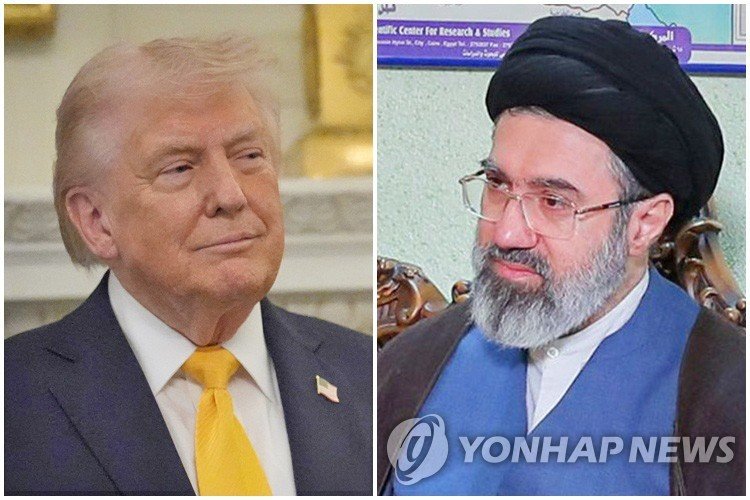
Armed clashes between the United States of America (U.S.) and the Islamic Republic of Iran have continued for more than a month, and Washington is now hinting it could seize by force Kharg Island, Iran’s key crude export hub, as well as strategic islands in the Strait of Hormuz. In response, the Islamic Republic of Iran has warned it will directly strike major infrastructure in neighboring countries that support U.S. forces. With military tensions rising around the Strait of Hormuz, through which around 20% of the world’s seaborne crude shipments pass, the risk of a wider Middle East war and mounting uncertainty in global energy markets is rapidly increasing.
U.S. Trains Its Sights on Kharg Island in Bid to Control Resources
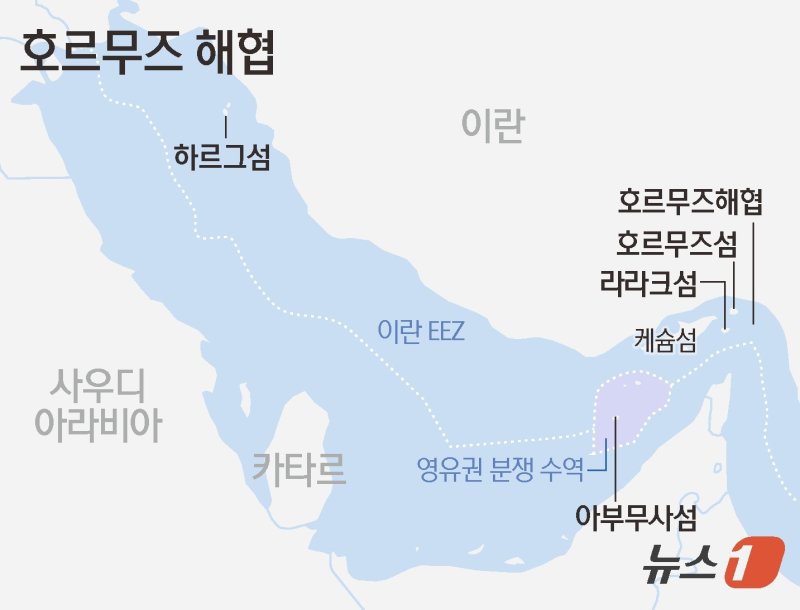
According to reports on the 28th (local time) from The New York Times and Financial Times (FT), senior U.S. military leaders and the Donald Trump administration are keeping the option of a ground operation on the table to cripple the Islamic Republic of Iran’s ability to wage war by targeting its oil export infrastructure. The top objectives under discussion include Kharg Island in the northern Persian Gulf, which handles about 90% of Iran’s crude exports, and seven islands that give Tehran control over the Strait of Hormuz: Abu Musa Island, Greater Tunb Island, Lesser Tunb, Hormuz, Larak Island, Qeshm Island, and Hengam Island. These seven islands form a kind of “arch-shaped defensive line” that the Islamic Republic of Iran has used as key strongpoints to threaten closure of the Strait of Hormuz or block the entry of the United States Navy. Locals often refer to them as an “unsinkable aircraft carrier.”
U.S. troop levels in the Middle East have now risen to more than 50,000, combining existing forces with newly deployed units. Ground-capable formations such as United States Marine Corps (USMC) expeditionary units and the 82nd Airborne Division are being deployed one after another. Donald Trump has explicitly framed control of the Islamic Republic of Iran’s energy resources as a main objective of any operation. In an interview with FT, he said, “We might seize Kharg Island, or we might not. We have many options,” adding, “I want to take Iran’s oil.” Assessing Iran’s defensive capabilities, Donald Trump stated, “I don’t think they have any real defenses. It would be very easy to seize.”
Comments from key economic and national security figures in the U.S. are in line with this stance. Scott Bessent, the U.S. Treasury Secretary, said in an interview with National Broadcasting Company (NBC), “President Trump is keeping all options on the table,” indicating that strikes on and seizures of oil facilities are among the options under active consideration. Analysts note that Washington appears to be trying to apply to the Islamic Republic of Iran the precedent it set in Venezuela, where it asserted control over that country’s oil interests after the ouster of President Nicolás Maduro Moros in January.
Fortified ‘Unsinkable Carrier’; Iran Warns It Will Hit Neighboring States’ Infrastructure
As scenarios involving the deployment of U.S. ground forces become more concrete, the Islamic Republic of Iran has rapidly strengthened defenses on the targeted islands and begun military shows of force toward neighboring countries.
According to Israel’s Channel 14 and various Middle Eastern media outlets, the Islamic Revolutionary Guard Corps (IRGC) has in recent weeks deployed large numbers of Man-Portable Air-Defense System (MANPADS) along roughly 1,600 kilometers of coastline around Kharg Island and the seven islands in the Strait of Hormuz. It is believed to have completed laying anti-tank and anti-personnel mines, particularly along beaches where landing craft could come ashore.
Iranian leaders have made clear that neighboring states that cooperate with U.S. military operations will also become targets. Mohammad Baqer Ghalibaf, speaker of the Islamic Consultative Assembly of Iran (Majlis), wrote on X (social network), formerly Twitter, “The enemy is preparing to seize one of Iran’s islands with the support of one of the countries in our region,” adding, “Every move the enemy makes is under the close surveillance of our armed forces, and if they cross the line, all major infrastructure in that regional country will become the target of unrestricted, merciless attacks.” His warning was aimed at facilities such as refineries and civilian infrastructure in Gulf Cooperation Council (GCC) states, including the Kingdom of Saudi Arabia (KSA) and the United Arab Emirates (UAE), which could provide bases for operations or allow overflight by U.S. forces.
Military experts in the U.S. have voiced concern about the risks of this slide toward all-out war. James G. Stavridis, former North Atlantic Treaty Organization (NATO) Supreme Allied Commander and a retired U.S. Navy admiral, predicted, “Iranians are clever and ruthless. The moment ground forces enter their sovereign territory, they will do everything they can to inflict the maximum possible casualties on U.S. troops.” Analysts at leading think tanks such as the Foundation for Defense of Democracies argue that an amphibious assault on Kharg Island and the surrounding islands would be highly vulnerable to Iran’s use of suicide drones, fast attack boats, and swarm tactics, as well as to naval mine warfare. They warn that such an operation is unlikely to end quickly and instead risks degenerating into a prolonged war of attrition.
km@fnnews.com Reporter Kim Kyung-min Reporter