"Crisis Management Spokesperson?" Japan Shifts to Emergency Energy Mode [Japan Inside]
- Input
- 2026-03-29 10:34:44
- Updated
- 2026-03-29 10:34:44
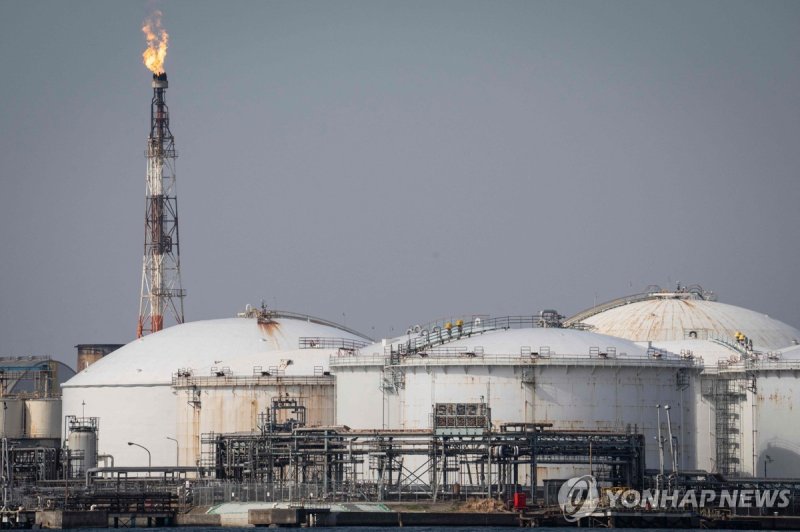
[The Financial News, Tokyo = Correspondent Seo Hye-jin] An energy crisis triggered by rapidly changing conditions in the Middle East is shaking the entire Japanese economy. As the Strait of Hormuz has effectively entered a state of blockade and crude oil shipments have plunged, the Japanese government has activated an unprecedented response system, moving in a way comparable to a de facto national emergency.
The biggest challenge Japan faces is its structural vulnerability.
Japan relies on the Middle East for about 94% of its crude oil imports, and most of that volume passes through the Strait of Hormuz. Compared with the Russia–Ukraine war, when Russian crude accounted for only about 4% of imports, the current crisis is delivering a far more direct and severe shock to Japan’s energy supply chain.
In response, the Japanese government first reached for the option of releasing national oil reserves. It has already begun supplying to the market about 30 days’ worth of national reserves, on top of 15 days’ worth of private-sector stockpiles. Including joint reserves that oil-producing countries store in Japan, a total of roughly 50 days’ worth of crude is effectively being released.
Japan holds combined government and private reserves equivalent to about 250 days of consumption, giving it the capacity to endure for roughly eight months in the short term. However, many observers view this primarily as a measure to "buy time" rather than a fundamental solution.
On the ground, supply disruptions are already becoming a reality. Some manufacturers have halted or scaled back factory operations due to fuel shortages. Production stoppages at food companies, temporary closures of hot spring facilities, and reduced ferry services show that the impact is spreading into everyday life.
There have even been cases where bids for bus operations collapsed because operators failed to secure diesel fuel, making the "ripple effects" across industry and transportation increasingly visible.
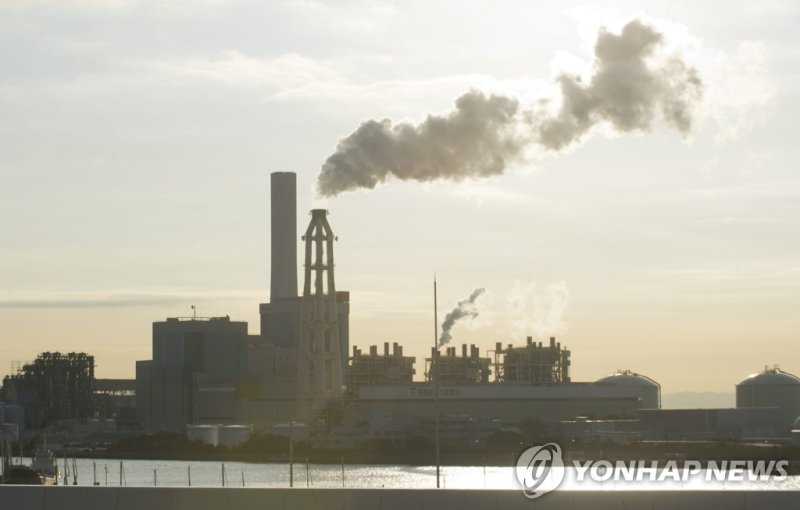
To address instability in the power supply, the government has decided to restart even inefficient coal-fired power plants. It will lift operating restrictions on aging facilities that were slated for phased decommissioning under carbon reduction policies and expand their operation for one year on a temporary basis.
This is an "emergency prescription" aimed at reducing dependence on Liquefied Natural Gas (LNG) and oil while maintaining electricity supply.
The government is also accelerating efforts to develop alternative shipping routes and diversify supply chains.
In fact, some shipments have already arrived in Japan via alternative routes such as the Red Sea.
According to Japan Broadcasting Corporation (NHK) on the 29th, crude oil from the Middle East that was transported without passing through the Strait of Hormuz recently arrived off the coast of Ehime Prefecture. This is the first time crude that departed the Middle East after the United States and Israel launched military operations against Iran has reached Japan.
This tanker loaded about 100,000 kiloliters of crude oil on the 1st at Yanbu Port in western Saudi Arabia. It then passed through the Red Sea, transferred the cargo to another tanker, and was shipped onward via Malaysia in Southeast Asia. In effect, it used a route that does not pass through the now virtually blockaded Strait of Hormuz.
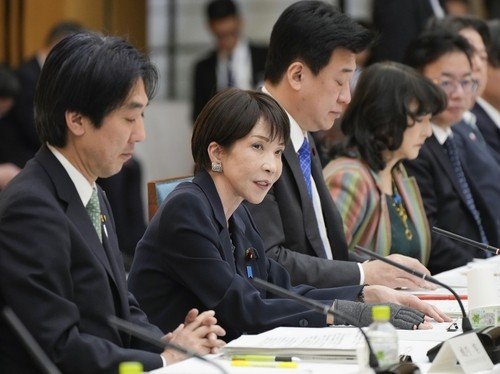
The government and companies are also moving quickly to diversify supply chains. They are pursuing plans to increase crude procurement from regions outside the Middle East, including the United States, South America, Canada, and Central Asia. On the 23rd, Prime Minister Sanae Takaichi stated at a plenary session of the House of Councillors, "The Ministry of Economy, Trade and Industry (METI), in cooperation with private-sector operators, is working on securing crude oil and petroleum products from Central and South America, Canada, Singapore, and other regions that have past supply records and capacity to increase production."
Japanese energy company INPEX Corporation is considering giving priority to supplying crude produced in offshore fields near the Republic of Azerbaijan to the domestic market.
INPEX Corporation, through its group companies, holds stakes in two oil fields in the Caspian Sea off the Republic of Azerbaijan and Kazakhstan. It has rights to about 7–9% of the total output from these projects, which produce roughly 780,000 barrels per day.
Until now, the company has mainly sold crude from the Caspian Sea fields to overseas customers, including in Europe, through long-term contracts and the spot market. Going forward, it plans to allocate part of the spot volumes preferentially to meet Japanese demand.
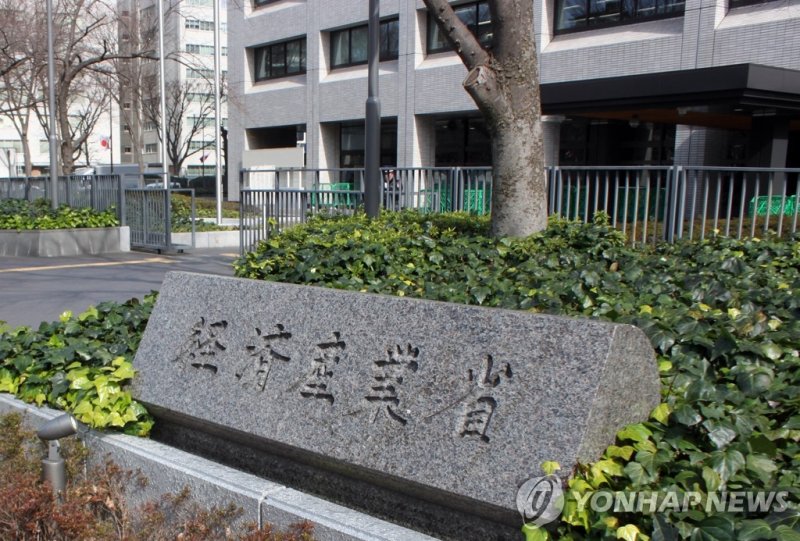
To calm market anxiety caused by the surge in crude prices, the government has also created a new position called the Crisis Management Spokesperson to centralize information.
The official title of the Crisis Management Spokesperson is "Director-General for Crisis Management and Accident Response," a post newly established within the Agency for Natural Resources and Energy (ANRE) under METI. Shigemi Hosokawa, who joined METI in 1996 and currently serves as councilor in charge of industrial safety, has held the position concurrently since the 12th.
Nihon Keizai Shimbun reported that this is a step that did not exist even during the Great East Japan Earthquake or the war in Ukraine, and that the government intends to control and concentrate its messaging to prevent market unrest and panic buying.
In practice, the government has changed the frequency of its oil stockpile announcements from once a month to daily. It is also directly urging consumers to refrain from panic buying when prices spike, engaging in communication at an intensity far beyond past practice.
However, many point out that this crisis has exposed the fundamental limits of Japan’s energy policy, making a medium- to long-term overhaul of its energy strategy unavoidable.
Experts argue that Japan’s strategy of increasing dependence on the Middle East because it was "cheap and stable" has revealed its vulnerability in the face of geopolitical risk. They note that the country has been forced back into relying on "old-fashioned tools" such as stockpiling, coal, and conservation.
Industry insiders are also warning that "if the blockade continues for more than three to four months, supply disruptions will reach a serious level."
sjmary@fnnews.com Seo Hye-jin Reporter