FSC moves to tackle high oil prices with car insurance and fuel card discounts tied to driving restrictions
- Input
- 2026-03-29 09:15:18
- Updated
- 2026-03-29 09:15:18
[The Financial News] As the government ramps up its response to persistently high oil prices amid the prolonged crisis in the Middle East, it is pushing financial-sector measures to ease the burden on households, including discounts on auto insurance premiums and fuel card payments. The Financial Services Commission (FSC) has asked insurers, card issuers and other sectors to draw up support plans for high oil and consumer prices, and is working to flesh out concrete measures.
According to the financial industry and regulators on the 29th, the FSC convened executives from non-life insurers and officials from the General Insurance Association of Korea on the 27th to discuss support measures for auto insurance in response to high oil prices.
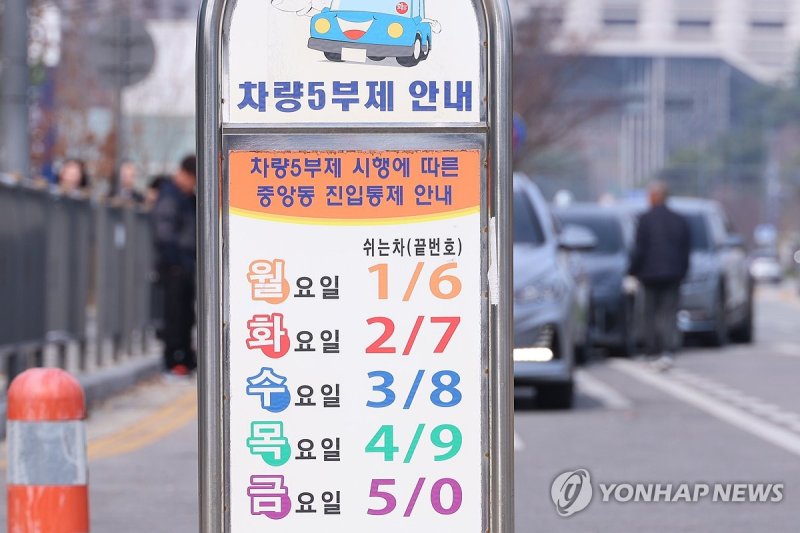
At the meeting, participants mainly discussed options to cut or refund insurance premiums in connection with driving restriction policies such as a license plate-based system that limits vehicle use on certain days.
Regulators are said to believe that insurers should consider lowering premiums or refunding part of them to reflect the potential decline in accident rates as driving volume decreases.
An industry representative who attended the meeting said, "The logic is that if the license plate-based restriction system is expanded, vehicle use will fall and accident rates will also decline, which should make it possible to reduce auto insurance premiums," adding, "We were asked to come up with specific measures."
However, insurers reportedly expressed reluctance during the talks. The auto insurance segment has been under pressure, with the loss ratio surging and the sector posting a deficit of about 708 billion won last year.
Major non-life insurers raised auto insurance premiums this year for the first time in five years, by a little over 1%. Even so, they now face renewed pressure to cut rates.
An insurance industry official said, "We have only just managed to raise premiums by a little over 1%, so any additional discount would inevitably put more pressure on profitability," adding, "The impact of reduced driving and lower accident rates is also uncertain, so we are struggling to devise feasible measures."
On the 26th, the FSC also asked card issuers, through the Credit Finance Association, to come up with additional support measures to ease fuel costs. Regulators requested that, on top of existing per-liter discounts, card companies consider offering extra benefits when customers spend above a certain amount on fuel.
As examples, authorities reportedly mentioned options such as an additional 50 won discount per liter for fuel purchases over 50,000 won, a 5% statement credit on the transaction amount, or cashback. The request effectively asks card issuers to expand current fuel card discounts, which now range from 40 to 150 won per liter. With fuel prices recently exceeding 2,000 won per liter, even a 100-won discount only translates into about a 5% reduction.
Card companies are expected to decide autonomously how to apply such measures and at what level, taking into account the characteristics of their own fuel card products. Lowering annual fees on fuel cards is also reportedly under consideration.
chlee1@fnnews.com Lee Chang-hoon Reporter