Yen Breaks Through 160 per Dollar: "Will Japan Play the Intervention Card?"
- Input
- 2026-03-29 08:11:45
- Updated
- 2026-03-29 08:11:45
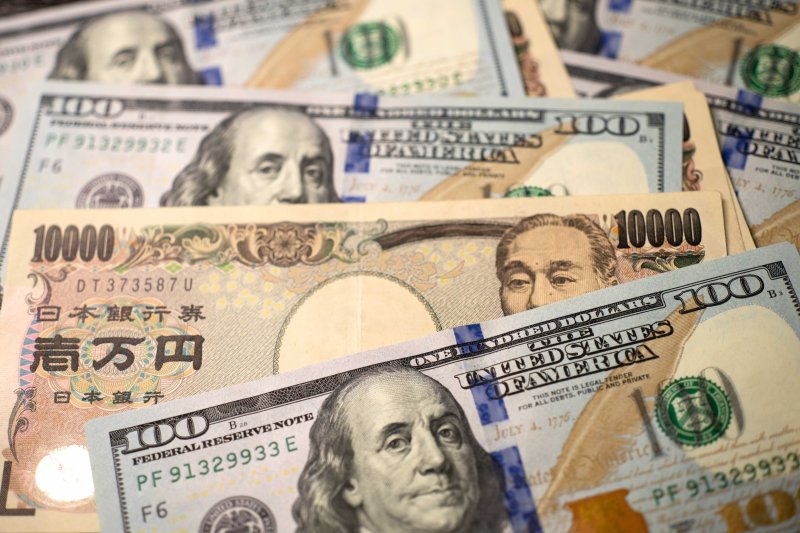
The USD/JPY exchange rate has broken through the psychologically important 160-yen-per-dollar level for the first time in a year and eight months, raising concerns that Japanese authorities may step into the market. Nihon Keizai Shimbun (The Nikkei) reported on the 29th that caution is mounting over possible foreign exchange intervention.
In the New York foreign exchange market on the 27th (local time), the USD/JPY exchange rate climbed intraday to as high as 160.40 per dollar, meaning a weaker yen. This marked the highest level for the dollar, and the lowest for the yen, since July 2024.
At the end of last month, before the United States of America (US) and Israel began their attacks on the Islamic Republic of Iran, the rate was around 156 yen per dollar. Within just one month, it has broken through the 160-yen mark.
The main drivers of the yen’s weakness are strong dollar buying and a sharp jump in crude oil prices.
As tit-for-tat attacks between the US and Israel on one side and the Islamic Republic of Iran on the other continue, the situation in the Middle East is dragging on. Funds are flowing into the dollar, which is both a key reserve currency and highly liquid, and this is pushing down the yen against the dollar.
Soaring crude prices are also fueling yen depreciation. Japan relies on the Middle East for more than 90% of its crude oil imports, so the effective blockade of the Strait of Hormuz is dealing a heavy blow, including a widening trade deficit.
As the yen’s slide accelerates, a sense of crisis is growing within the Government of Japan.
After a Cabinet meeting on the 27th, Japanese Finance Minister Satsuki Katayama told reporters, "We will respond decisively, including taking firm measures." Commenting on the backdrop to the weak yen, she added, "We are also seeing speculative moves driven by oil-related factors."
Market participants increasingly expect the authorities to intervene to stem the yen’s decline.
In April and again from June to July 2024, when the yen carry trade became active and the USD/JPY exchange rate moved into the 160-yen range, the Government of Japan and the Bank of Japan (BOJ) conducted large-scale yen-buying interventions. They bought a total of 9.7 trillion yen on April 29 and May 1, and a further 5.5 trillion yen on July 11–12.
Rikiya Takebe, chief strategist at Okasan Securities, stated, "At this point, there is virtually no option to stop the yen’s decline other than yen-buying intervention by the authorities." He explained that Japan’s real interest rate, adjusted for inflation, remains in negative territory, leaving little incentive for capital to flow into yen-denominated assets.
He projected that without intervention, "the yen could fall to the 162-per-dollar range, a level last seen in 1986."
There are also signs that preparations for intervention are under way. According to multiple sources, the Ministry of Finance (Japan) has already sounded out financial institutions active in the foreign exchange market about the possibility of intervening in crude oil futures markets.
However, questions are being raised about how long any intervention effect could last.
Daisaku Ueno, chief foreign exchange strategist at Mitsubishi UFJ Morgan Stanley Securities, analyzed the situation, saying, "If tensions in the Middle East escalate further after foreign exchange intervention, there is a risk that the yen’s gains could evaporate in just a few days."
He noted that an intervention of around 3 trillion yen could push the exchange rate back by roughly 4 to 5 yen. But he warned that the current yen weakness is being driven largely by dollar preference and rising oil prices, so the impact of such measures may gradually diminish.
Some observers are skeptical that intervention alone can block an exchange-rate trend that reflects economic fundamentals.
In past intervention phases, speculative selling of the yen was the main culprit. This time, however, real demand for dollars is leading the yen’s decline. The Nikkei commented, "The foreign exchange market is likely to show highly volatile movements early this week."
sjmary@fnnews.com Seo Hye-jin Reporter