Pharmaceutical industry regrets 16% drug price cut, urges government to provide support amid survival crisis
- Input
- 2026-03-28 13:55:57
- Updated
- 2026-03-28 13:55:57
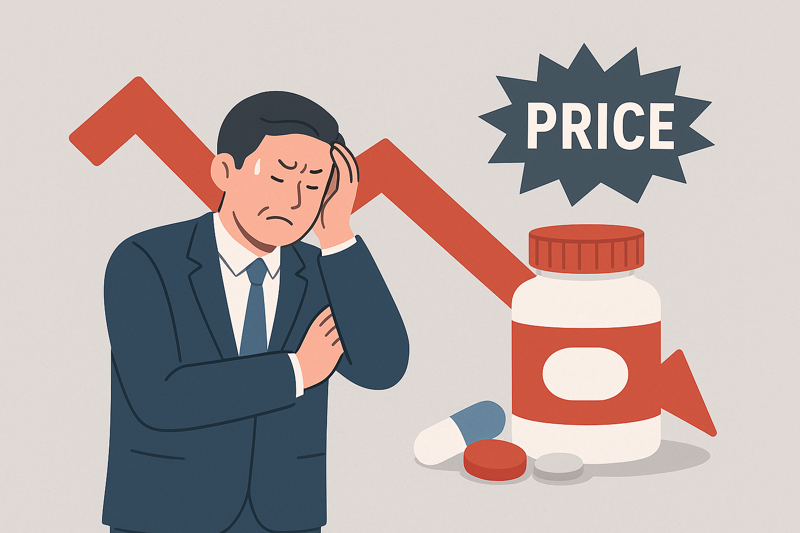
With the government finalizing its reform plan for the National Health Insurance drug pricing system, the pharmaceutical industry has voiced strong concern and called for improvements to the scheme. According to the pharmaceutical and biotech industry on the 28th, the Emergency Committee for Drug Pricing System Reform for Industrial Development said on the 26th, in connection with the "Plan to Improve the National Health Insurance Drug Pricing System" approved by the National Health Insurance Policy Deliberation Committee, that "given the impact this reform plan will have on the domestic pharmaceutical and biotech industry and health security, we cannot help but express our concern."
The Emergency Committee particularly stressed that the scale of the price cut goes beyond what the industry can accept. It noted that, even in a difficult business environment where the average operating margin has been only about 5%, companies had stated they would endure a drug price reduction of up to 10% to help stabilize National Health Insurance finances and ease the public’s burden.
However, under the finalized reform plan, the basic drug price reduction rate has been set at 16%, which the industry argues exceeds its practical limits. The Emergency Committee expressed regret, saying, "This level goes beyond the minimum threshold needed to maintain the industrial ecosystem."
Even so, it also offered a positive assessment of some policy directions. It viewed as meaningful the government’s move to introduce preferential pricing for medicines that help secure supply stability, such as drugs whose active ingredients are produced directly by manufacturers, national essential medicines that use domestically produced ingredients, antibiotic injections, and pediatric medicines that are directly manufactured.
The committee also welcomed, to some extent, the decision to phase in the price cuts by distinguishing between drugs listed before and after 2012, as this could help soften the short-term shock. However, it maintained that, despite such measures, the overall burden the industry must bear will not change significantly.
Industry officials believe the impact of the policy will be even greater in light of the current external environment. Rising tensions in the Middle East and broader global instability are driving up oil prices, exchange rates, and shipping costs simultaneously, while instability in raw material supplies is further worsening the business conditions facing pharmaceutical companies.
In this situation, some warn that a large-scale drug price cut could threaten the very survival of companies. In fact, some pharmaceutical firms are already said to have entered emergency management, moving to reduce research and development (R&D) investment, reconsider facility investments, adjust hiring plans, and review alternative raw materials to cut costs.
The Emergency Committee also stressed that the new policy could weaken the foundation for long-term industrial innovation. It warned that if profitability deteriorates due to price cuts, companies’ capacity to invest in R&D will shrink, which could ultimately undermine their ability to develop new drugs.
Accordingly, calls are growing for the government to closely analyze the policy’s effects and prepare complementary measures. The Emergency Committee stated, "We need flexible policies that balance public health, insurance finances, and industrial competitiveness," adding, "Institutional improvements must be made so that we can respond swiftly to changes in the international situation."
It further emphasized that the public–private consultative body to be operated going forward must play a substantive role. The committee explained that the forum should address concrete tasks, not only on drug pricing policy but also on improving distribution structures such as Contract Sales Organization (CSO) practices and on measures to promote generic drug use.
The Emergency Committee added, "The government must provide effective support in parallel so that negative side effects such as job losses and reduced investment on the ground do not become a reality," and stressed that "policy backing to strengthen industrial competitiveness is urgently needed."
It concluded, "We will continue to play a responsible role in advancing the industry and strengthening its competitiveness, whatever crises we may face," and pledged, "We will keep proposing reasonable institutional reforms and policy alternatives that reflect voices from the field."
vrdw88@fnnews.com Kang Jung-mo Reporter