"Only one-sixth the memory?" Google TurboQuant shock triggers stock rout for Samsung Electronics and SK hynix
- Input
- 2026-03-26 20:23:21
- Updated
- 2026-03-26 20:23:21

[Financial News] A perfect storm has hit the global memory semiconductor market. After Google pulled off what amounts to a magic trick by dramatically cutting the memory required to run artificial intelligence (AI), semiconductor stocks around the world have gone into a tailspin, with share prices plunging across the board.
According to Bloomberg News on the 26th, the epicenter shaking the global semiconductor market is a new AI compression technique unveiled by Google researchers called "TurboQuant." The technology is reported to boost AI inference speed by as much as eight times while using only one-sixth of the memory previously needed. For AI companies this is cause for celebration, but for memory manufacturers that make money by selling chips, it has landed as a major blow.
Asian stock markets were immediately pummeled by this megaton announcement. In Korea, blue chips Samsung Electronics and SK hynix tumbled 4.71% and 6.23%, respectively, suffering a sharp loss of face. Japanese flash memory maker Kioxia, whose share price had soared about 700% on the back of the AI boom since late August last year, also slumped more than 6%, abruptly slamming the brakes on its rally.
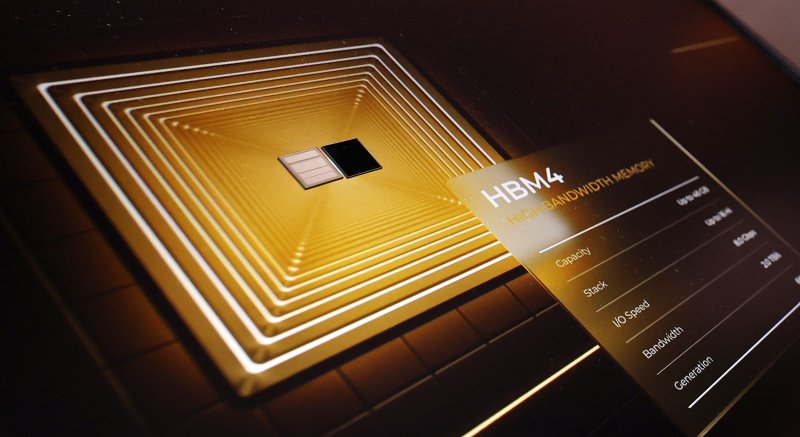
The shockwaves have crossed the Pacific and are spreading to the United States as well. After the news broke late in the previous session, shares of Micron Technology and SanDisk closed down 3.40% and 3.50%, respectively, on U.S. markets. In pre-market trading now, which is reflecting the full impact of the Asian sell-off, both stocks are plunging again, down more than 4%. This is why a harsh lean season for the memory industry appears unavoidable for the time being.
Yet the outlook is not entirely bleak. Some experts are invoking the "Jevons paradox" to suggest a more positive twist. The economic theory holds that when technological progress improves efficiency, overall demand can actually surge rather than shrink.
In fact, when China’s DeepSeek triggered the so-called "DeepSeek shock" early last year by delivering a powerful chatbot using relatively few chips, AI-related stocks also went into a steep slide for a time. However, that breakthrough in efficiency ultimately spurred the launch of many more AI services, which in turn led to a renewed, explosive rally in AI shares—a kind of game-winning home run.
Google’s TurboQuant has now unleashed a "memory diet" shock. Global memory makers have taken a painful hit-by-pitch in the form of a short-term share-price slump, but investors worldwide are watching closely to see whether, as in the DeepSeek episode, this could again flip into a surge in demand and a powerful comeback for the sector.
[email protected] Jeon Sang-il Reporter