"Trying to wake yourself up can damage your lungs"... Toxic substances found in some nasal inhalation energy bars popular among teenagers
- Input
- 2026-03-26 08:42:53
- Updated
- 2026-03-26 08:42:53
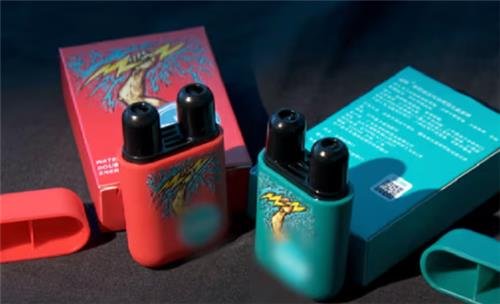
[The Financial News] Nasal inhalation energy bars, which are said to help users wake up and improve concentration and have recently become popular among teenagers, were found in some cases to contain substances that can cause lung damage or allergic reactions.
On the 25th, the Korea Consumer Agency (KCA) announced the results of its investigation into the safety and labeling/advertising practices of 10 nasal inhalation energy bar products currently sold on the market.
These so‐called nasal inhalation energy bars sold online are devices that turn menthol or oils into vapor for inhalation through the nose. They are advertised as activating the brain or enhancing concentration and are widely used among teenagers.
One of the products tested contained vitamin E acetate, an ingredient whose inhalation safety has not been verified and whose use as an additive in liquid-type electronic cigarettes is therefore discouraged. This substance is known to potentially cause lung damage when inhaled.
Toxicity was confirmed in animal inhalation experiments, and health authorities have recommended that it not be added to liquid-type electronic cigarettes.
Labeling of allergenic ingredients was also inadequate. Under regulations, ingredients such as Linalool and Limonene must be listed if they exceed 0.001%, but six products failed to comply. In these products, the levels of those substances ranged from at least 0.0011% to as high as 0.4678%.
All of the problematic products were made in China. Although the ingredients used are similar to those in cosmetics or household chemical products, they are being sold as general consumer goods or home appliances, meaning they are not subject to separate safety standards.
The review of labeling and advertising practices found that all 10 products highlighted medical effects such as "relieving nasal congestion" and promoted unproven benefits like "preventing drowsiness" and "improving concentration." In addition, nine products omitted required common information such as product category or ingredients, or failed to include consumer caution statements.
The KCA recommended that the businesses subject to the investigation suspend sales and improve their labeling. Seven companies have completed corrective measures, but three have not responded to the recommendation, so the agency plans to request further improvements through the online marketplace.
[email protected] Seo Yoon-kyung Reporter