Trump’s 15 Demands That Could Decide the Fate of Hormuz... Iran Responds With “Transit Fees”
- Input
- 2026-03-25 17:23:31
- Updated
- 2026-03-25 17:23:31
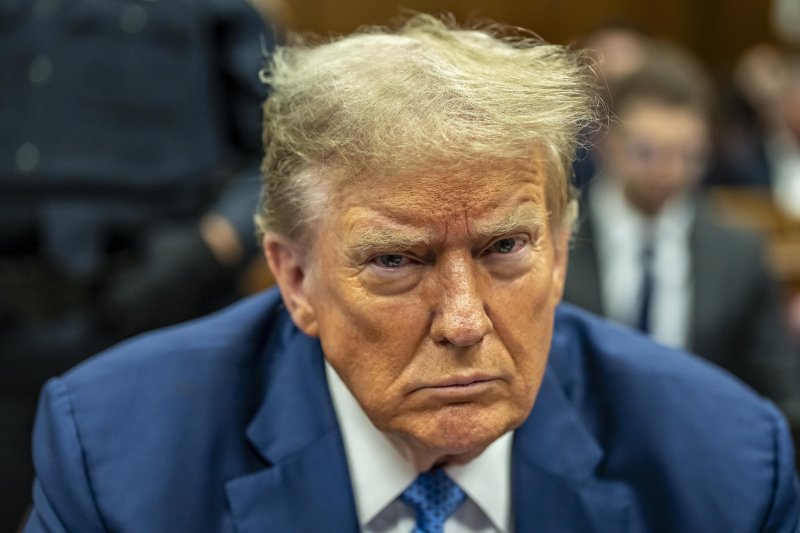
On the 24th (local time), major foreign media including Channel 12 (Israel) and The Wall Street Journal (WSJ) reported that the United States, through mediator Pakistan, had conveyed 15 conditions and incentives centered on neutralizing Iran’s nuclear capabilities and rolling back its geopolitical military posture.
Trump stated the previous day, “Iran will never have a nuclear weapon, and the United States will secure Iran’s highly enriched uranium.”
The core of Washington’s demands is the irreversible dismantlement of Iran’s nuclear capabilities. The list includes a complete ban on uranium enrichment on Iranian soil, the transfer of Iran’s stockpile of 60% enriched uranium (about 450 kilograms) to the International Atomic Energy Agency (IAEA), and the full dismantling of three key nuclear facilities at Natanz, Isfahan, and Fordow. This goes beyond a simple freeze and signals an intention to eliminate Iran’s nuclear potential itself.
The United States is also calling for Iran to halt funding and arms supplies to its regional proxy forces and to accept limits on the range of its ballistic missiles. In particular, demands that Iran recognize Israel’s right to exist and guarantee unconditional freedom of navigation through the Strait of Hormuz amount to a call for a fundamental reshaping of the Middle East order. Washington has offered a sweeping package of incentives, pledging to lift all international sanctions and support Iran’s civilian nuclear program if these conditions are met.
Hard-liners in Iran’s Islamic Revolutionary Guard Corps (IRGC), however, have denounced the U.S. proposal as a humiliating surrender document and countered with their own escalatory terms. Tehran is demanding the closure of all U.S. military bases in the Persian Gulf region, payment of compensation for past military strikes, and the right to levy transit fees on ships passing through the Strait of Hormuz. By insisting on guarantees to maintain its missile program and calling for an end to Israel’s attacks on Hezbollah, Iran is signaling that it has no intention of relinquishing its regional influence. A U.S. government official dismissed the list as “unrealistic,” though some analysts say it is also aimed at shoring up domestic unity in Iran.
Israel is viewing the proposed framework with deep skepticism. The office of Benjamin Netanyahu, the Prime Minister of Israel, has argued that “any agreement without detailed implementation mechanisms will merely buy Iran time to rearm,” voicing strong opposition. Israeli media have warned that “if Iran manages to end the fighting while deferring the core issues, Israel’s security will face a grave threat.”
Some observers say the 15-point list reflects Donald Trump’s trademark deal-making style. The strategy is to start with maximalist demands to pressure the other side and then extract substantive concessions, a pattern often seen in Trump’s negotiations. However, because the two sides’ positions clash with what they regard as core values tied to regime survival and national security, it is unlikely that they will find meaningful common ground within a short, one-month ceasefire window.
[email protected] Hong Chae-wan Reporter