All 325 Station Areas in Seoul Designated for Mixed-Use Development as Local Living Hubs
- Input
- 2026-03-25 10:00:00
- Updated
- 2026-03-25 10:00:00
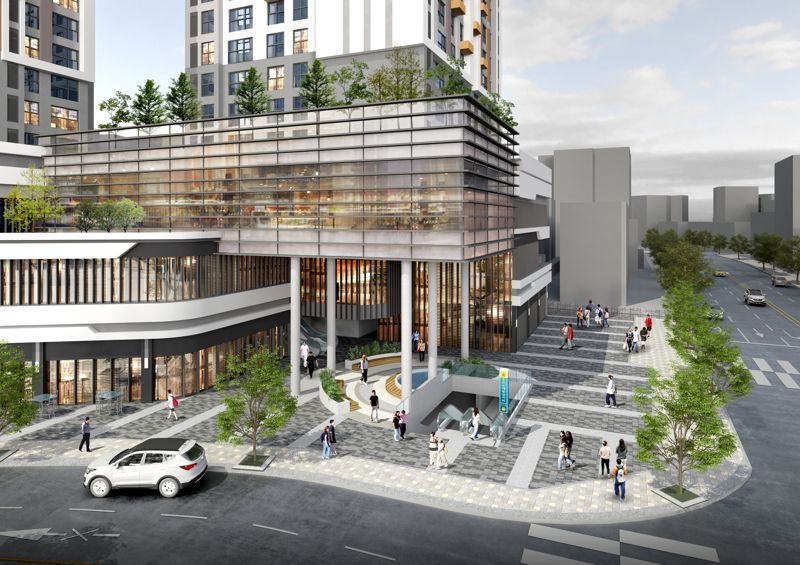
The Seoul Metropolitan Government announced on the 25th that it will fully launch the "Seoul Station Area Live-Work-Play Revitalization Strategy" through 2031. Under this plan, all 325 station areas in the city will be turned into a new type of urban space that combines jobs, housing, culture and leisure, and everyday social infrastructure.
The core of the strategy is to enhance both everyday convenience for residents and the city's competitiveness under the motto, "Shorter commutes, longer rest, and richer daily life." The target areas account for about 36% of the urbanized land in Seoul.
In 2022, the city presented a vision to shift station areas, previously focused on mobility, into "live-work-play" hubs. As a result, since 2021, the number of development sites has increased by 56, securing an additional 10,000 housing units. Office space for future generations has also expanded significantly, reaching 536,658 square meters. In addition, the city has secured 566,293 square meters of commercial facilities, 123,860 square meters for hotels, and 257,142 square meters for community facilities.
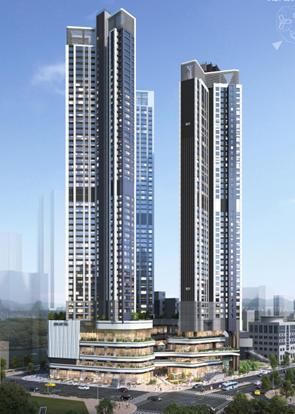
The supply system will also be overhauled, with a focus on location and speed. The city aims to shorten the permitting and approval process by more than five months from the current 24 months. Through this, it will expand "long-term jeonse housing near subway stations" from 127 sites with 120,000 units to 366 sites with 212,000 units, accelerating stable and rapid housing supply.
Among station areas, transfer stations with particularly high demand will be guided toward high-density, mixed-use development through the "Growth Hub-Type Urban Complex Development" model. To encourage private-sector participation, the city plans to establish a foundation for implementation, including a public call in June to select target sites.
The city will also newly introduce the "Growth Potential Activation Project" to boost vitality along major arterial roads between stations, where foot traffic is as heavy as in the station areas themselves. It plans to create mixed-use spaces that combine youth start-ups, housing, commercial, and everyday facilities, with the goal of narrowing the spatial gap between station areas and non-station areas.
Through this strategy, the Seoul Metropolitan Government plans to spread station-area-based living hubs across the entire city and drastically shorten supply timelines, thereby building both large-scale mixed-use hubs and neighborhood-level hubs in parallel as part of a three-dimensional reorganization of urban space. Seoul Metropolitan City Mayor Oh Se-hoon stated, "By promoting high-density, mixed-use development in station areas through cooperation between the private and public sectors, we will create an urban space unique to Seoul for future generations, where anyone will want to live and stay."
[email protected] Jeon Min-kyung Reporter