[Editorial] Special Judicial Police Officers, Dogged by Fears of Overreach and Shoddy Work, Must Build Expertise to Earn Trust
- Input
- 2026-03-24 18:29:02
- Updated
- 2026-03-24 18:29:02
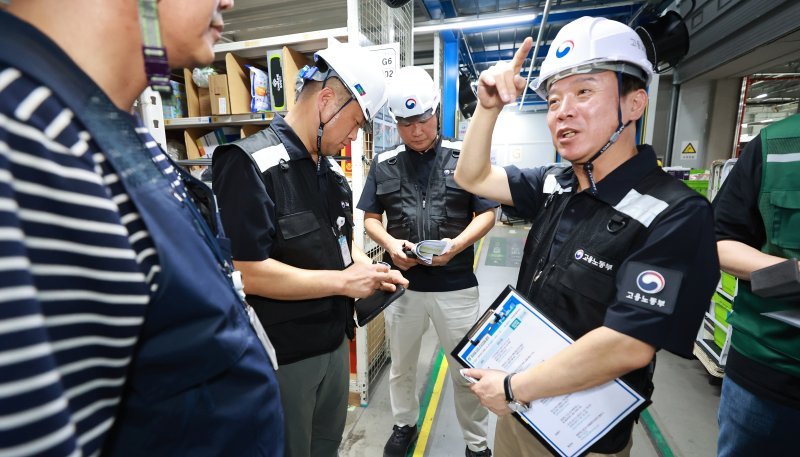
Labor inspectors not only handle administrative measures against companies suspected of violating labor laws, but also exercise judicial powers such as search and seizure, summoning suspects, and referring cases for prosecution. Currently, these labor inspectors belong to MOEL, but going forward, 1,800 new officials to be hired by the 17 metropolitan and provincial governments will also take on these duties. The idea is that people who know local conditions well will be able to more effectively monitor problematic workplaces, such as those with unpaid wages, and better protect workers’ rights.
However, despite the stated intent of the system, it will not be easy to recruit a large number of new labor inspectors in regions with a relatively small talent pool and still ensure professional, high-quality inspections. Above all, after the Public Prosecution Office Establishment Act passed the National Assembly of the Republic of Korea on the 19th, the prosecution’s authority to direct and supervise Special Judicial Police Officers was removed. It is doubtful that newly appointed labor inspectors will be able to handle cases in a short time without procedural errors. The risk of collusive ties with local businesses also cannot be ruled out. There is even a possibility that the local labor inspector system may run counter to International Labour Organization (ILO) conventions, which require labor inspection to remain under central control.
These concerns are not confined to the labor field. Special Judicial Police Officers handle livelihood-related cases in many specialized areas, including the environment, food, transportation, finance, and intellectual property. More than 21,000 Special Judicial Police Officers affiliated with central government agencies and local governments referred about 73,000 cases in 2024 alone, and roughly 46,000 of those went through the process of prosecutorial direction. Considering that over 80% of all Special Judicial Police Officers have less than three years of experience, and that most are general administrative civil servants who rotate through different posts, it is inevitable that many will lack sufficient investigative experience.
In fact, problems with poor-quality investigations by Special Judicial Police Officers have been exposed repeatedly. When the Supreme Prosecutors' Office of the Republic of Korea (SPO) reviewed the work of Special Judicial Police Officers in one region, it found 294 cases with serious deficiencies, and there were reportedly about 200 cases that had not even been registered after being handed over by other agencies. With prosecutorial oversight now removed, if Special Judicial Police Officers in local governments and agencies conduct unlawful or overreaching investigations, or simply perform their duties incompetently, the resulting harm will fall squarely on the public.
The government and the ruling party are also pushing to introduce Special Judicial Police Officers at the National Health Insurance Service (NHIS) and the Real Estate Supervisory Service. Few would oppose the stated goals of expanding investigations into illegally established medical institutions to prevent financial leakage, or cracking down on real estate price rigging and collusion. However, if Special Judicial Police Officers fail to deliver positive effects such as normalizing market functions, and instead produce side effects like sloppy case handling or collusion with local interests, public trust in the system itself will inevitably be shaken.
Before expanding the use of Special Judicial Police Officers, the government must urgently put in place safeguards that ensure professionalism and accountability. It should strengthen investigative capacity through systematic training for new personnel and strict selection standards, and establish an integrated management and oversight framework at the central government level to minimize regional disparities and the risk of collusion. The scope of their authority and administrative procedures must also be clearly defined so that heavy-handed crackdowns or overzealous investigations do not burden small business owners or the local economy. For Special Judicial Police Officers to fulfill their original purpose of protecting people’s livelihoods, earning public trust must come before expanding their powers.