Beauty, Food and Home Appliances Also Hit by Naphtha Crisis... Government to Curb Exports This Week [U.S.–Iran War]
- Input
- 2026-03-24 18:11:51
- Updated
- 2026-03-24 18:11:51
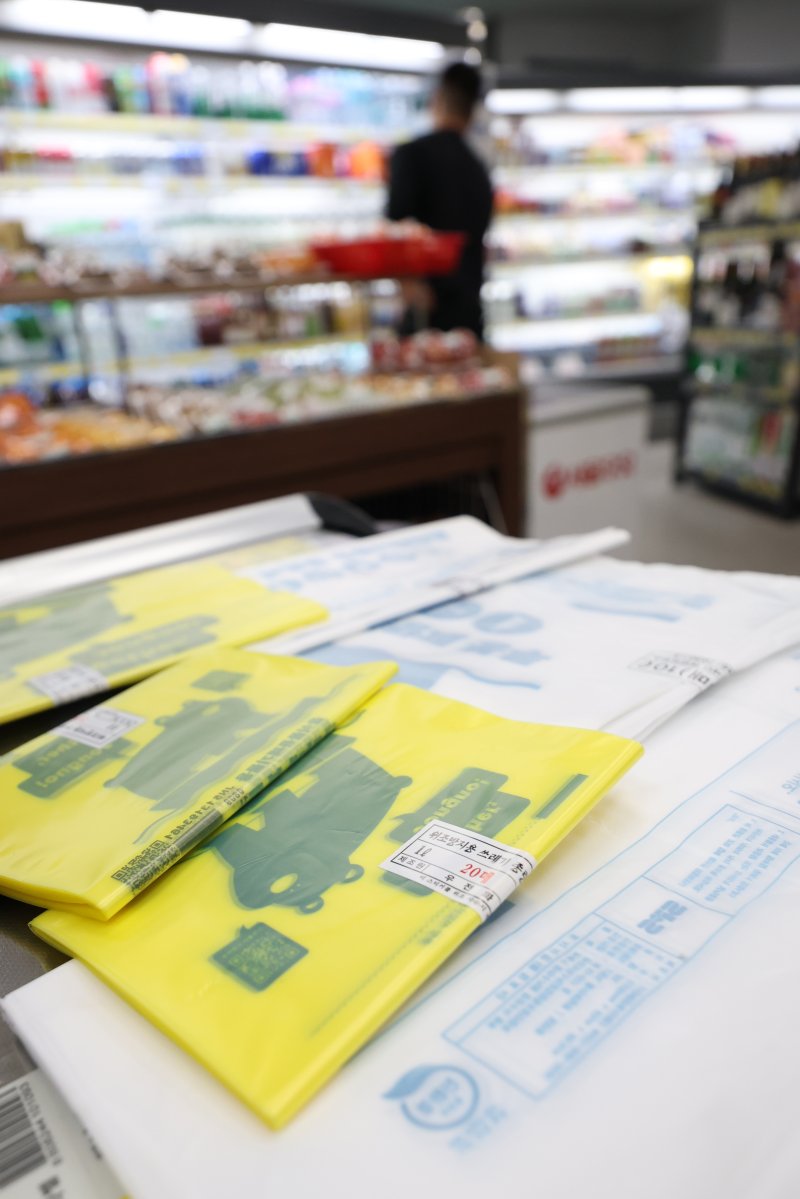
As instability in the Middle East disrupts Naphtha imports, petrochemical companies have been cutting output, and the impact is now spreading to downstream industries such as home appliances, beauty, food, and pharmaceuticals. In response, the government has decided to push ahead with naphtha export controls this week.
■ Naphtha-driven crisis spreads across industries
According to industry sources on the 24th, simultaneous disruptions in Naphtha supply and price hikes have put plastic processing companies, which use Polyethylene (PE) and Polypropylene (PP) as feedstock, on high alert over securing raw materials. Because plastic is a basic material used throughout daily life in items such as vinyl bags and packaging, the impact is rapidly spreading to downstream industries.
Ki-Moon Kim, head of the Korea Federation of SMEs (KBIZ), said at the "Roundtable on Supporting SMEs in Response to the Middle East Situation" held with the Democratic Party of Korea (DPK) at the KBIZ building in Yeouido, Seoul, "Small and medium-sized plastics companies are on the brink of shutdown due to a shortage of raw materials," adding, "We hope you will carefully coordinate the difficulties on the ground caused by the Middle East conflict and work out alternatives."
Chae Jeong-muk, head of the Korea Federation of Plastic Industry Cooperative, stated, "Diversifying import sources through countries such as Russia is the solution," and stressed, "Government support is needed to cope with the surge in raw material prices."
In the cosmetics industry, there are already moves to raise prices for containers and packaging materials, and concerns over supply instability are growing, particularly among smaller brands. The fashion industry is also on high alert for potential fallout. The food industry is closely monitoring the situation as well, since most packaging materials—such as ramyeon (Korean instant noodles) bags, snack wrappers, and PET bottles for beverages and bottled water—are made from plastic. The pharmaceutical industry is likewise watching for possible price hikes in medicine containers.
The government is also concerned that the home appliance sector will be affected. Large quantities of materials made from processed Naphtha, such as Polypropylene (PP) and Acrylonitrile-Butadiene-Styrene (ABS), are used in appliances. Yang Giwook, director general for Industrial Resource Security at the Ministry of Trade, Industry and Energy, said at a daily briefing held at Government Complex Sejong, "Circumstances differ by company, but in general they hold about two to three weeks of inventory," and added, "We will work with the petrochemical industry to resolve any supply bottlenecks."
■ Government weighs naphtha export controls and ban on hoarding
The government is preparing measures to restrict exports of Naphtha. Yang explained, "We are reviewing steps such as mandating reports on Naphtha production and import volumes, banning hoarding and cornering of goods, and restricting exports." Currently, about 55% of Naphtha is produced by domestic oil refining companies, with the remainder imported from overseas.
The export control measure is intended to ease the supply crunch by diverting Naphtha produced by domestic refiners from export to the domestic market. The government has indicated that if this step fails to stabilize the situation, it may even consider issuing an Emergency Supply Adjustment Order. With Naphtha prices having surged, the government plans to support companies by reflecting the additional costs incurred from alternative Naphtha imports in a supplementary budget.
solidkjy@fnnews.com Gu Ja-yoon, Kim Hyun-chul and Park Ji-young Reporter