President Lee: "Emergency response system for Middle East activated... supplementary budget to be delivered via local currency"
- Input
- 2026-03-24 18:05:30
- Updated
- 2026-03-24 18:05:30
Presiding over a meeting of the State Council of South Korea at Cheong Wa Dae on the 24th, President Lee said, "To respond to a potential major crisis that could affect people’s livelihoods and the overall economy and industry, the government must proactively activate an emergency response system."
Above all, he urged officials to prepare for even the worst-case scenario.
President Lee explained, "Each ministry should comprehensively and meticulously review items with potential supply concerns, closely examine how disruptions could affect people’s daily lives, and identify alternative sources of supply. Based on that, I ask you to thoroughly establish and implement contingency plans that assume even the worst possible situation."
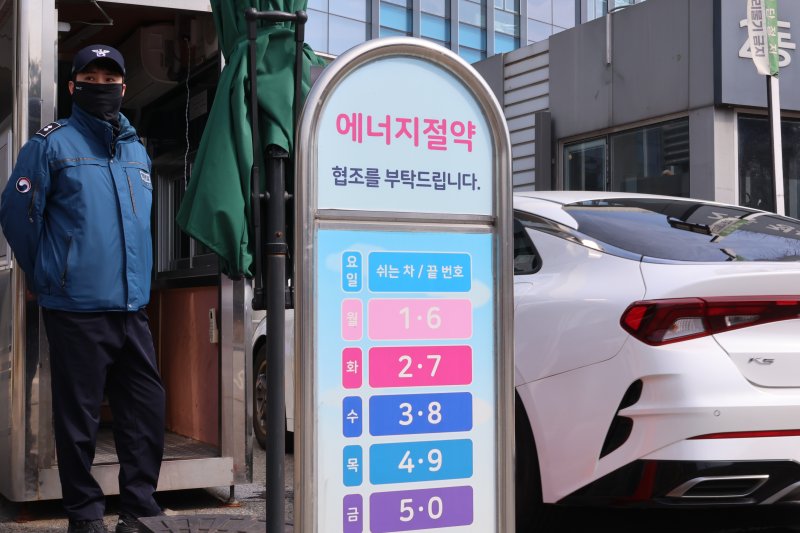
Since the outbreak of the Middle East crisis, concerns over supply disruptions have been growing for items heavily dependent on the region, such as naphtha. In response, the government has begun full-scale management of naphtha supplies, monitoring production and imports in real time and planning to impose bans on hoarding and export restrictions if necessary.
He again stressed the need to swiftly draft and pass a wartime supplementary budget. President Lee said, "This supplementary budget should be carefully designed under the principle of being clearly felt by the public, with key goals such as easing the burden of high oil prices, stabilizing livelihoods, minimizing industrial damage, stabilizing supply chains, and revitalizing regional economies." He added, "At this moment, what matters most is not saving fiscal resources, but deploying them quickly and effectively where the hardship and need are greatest."
In line with this, the government is accelerating work on the supplementary budget. The package is expected to focus on cutting fuel costs, stabilizing household finances, and supporting export-oriented companies.
In particular, the plan is expected to be structured so that more support flows to vulnerable groups such as low-income households, small business owners, farmers and fishers, young people, and regional areas, through direct and differentiated assistance.
President Lee stated, "Rather than giving cash, it should be provided in the form of local currency so that money circulates quickly in neighborhood businesses and helps the economic cycle." He added, "Giving more money to people in difficulty is not about sympathy. It is something required from an economic policy standpoint."
He also drew a clear line against criticism from some in politics that this amounts to "tax giveaways." President Lee said, "This misunderstanding stems from political agitation. The government’s original role is to spend money on its people," adding, "Taxes are collected in order to be used well. Hoarding and saving are not the functions of government, and in a situation like this, not spending is an act of incompetence and irresponsibility."
Beyond the supplementary budget, the government plans to mobilize every available policy tool to respond to inflation, rising living costs, and downside risks to growth stemming from a prolonged Middle East crisis.
Koo Yun-cheol, Deputy Prime Minister and Minister of Finance and Economy, stated, "The government will make every possible policy effort, including the wartime supplementary budget, adjustments to price ceilings, fuel tax cuts, and supply chain measures." He added, "In addition to the supplementary budget, we will pursue comprehensive measures to tackle high oil prices through all available policy instruments across the entire government."
Reporter Seo Young-jun (syj@fnnews.com)