As Trump Issues a ‘Final Ultimatum,’ Will the Lee Administration Mediate over the Strait of Hormuz? First Direct Contact Between Korean and Iranian Foreign Ministers
- Input
- 2026-03-23 19:27:40
- Updated
- 2026-03-23 19:27:40
Amid the ongoing conflict involving the Islamic Republic of Iran, this is the first time the two countries’ top diplomats have held discussions specifically on the blockade of the Strait of Hormuz. The ROK is one of only four Western-aligned nations that have not withdrawn their embassies from the Islamic Republic of Iran. Until now, the Islamic Republic of Iran has not taken any particular hostile actions against the ROK. Against this backdrop, there are rising expectations that, on the eve of possible final military action by the U.S., the ROK may be able to play a mediating role through negotiations with the Islamic Republic of Iran.
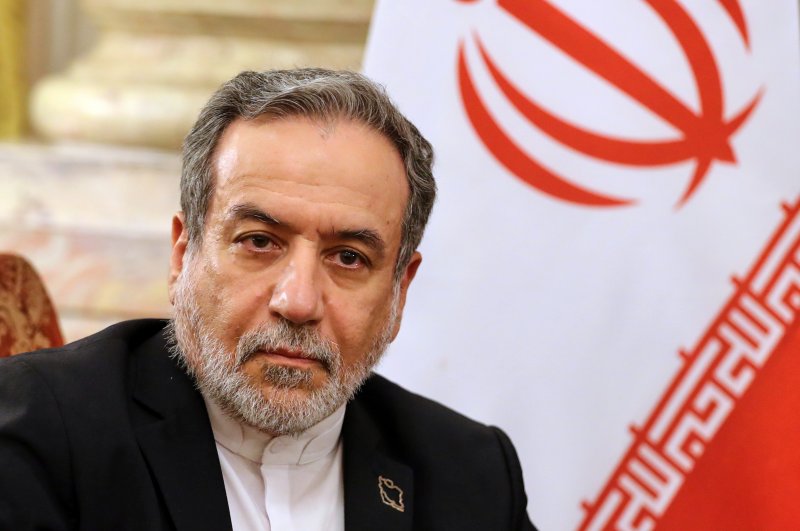
Foreign Minister Cho Hyun held a telephone conversation on this day with Seyed Abbas Araghchi, the Islamic Republic of Iran’s foreign minister, and exchanged views on the recent situation in the Middle East.
Cho Hyun expressed deep concern that the recent developments in the Middle East are affecting not only the region but also global security and the world economy.
Cho Hyun urged the Islamic Republic of Iran to take de-escalation measures, including halting attacks on civilians and civilian facilities in the Gulf and ensuring the safety of navigation in the Strait of Hormuz, as well as restoring normal global energy supplies. He also requested special attention and support from the Iranian side to ensure the safety of ROK nationals in the Islamic Republic of Iran. Cho Hyun said, “Vessels flying the flags of many countries, including the Republic of Korea, are currently anchored in the Strait of Hormuz,” and asked, “The necessary safety measures by the Iranian side are needed.”
In response, Seyed Abbas Araghchi explained the Islamic Republic of Iran’s position on the current situation in the Middle East, and the two sides agreed to continue communicating on the matter.
Until now, the ROK government has wrestled with how to pursue parallel diplomatic dialogue with the Islamic Republic of Iran while also joining its allies’ statements condemning the blockade of the Strait of Hormuz. Earlier, on the 20th, the government announced that it would join the “Joint Statement by the Leaders on the Strait of Hormuz” issued by seven countries: United Kingdom of Great Britain and Northern Ireland (UK), France, Germany, Italy, Japan, the Kingdom of the Netherlands, and Canada. It also noted that North Atlantic Treaty Organization (NATO) member states, together with the ROK and Japan, are preparing joint action in response to the Islamic Republic of Iran’s blockade of the Strait of Hormuz, thereby increasing pressure on Tehran. rainman@fnnews.com Kim Kyung-soo
rainman@fnnews.com Kim Kyung-soo Reporter