"Wipe Out Power Plants" "Total Closure of the Strait of Hormuz"... US and Iran in Head-On Confrontation [US–Iran War]
- Input
- 2026-03-23 18:44:49
- Updated
- 2026-03-23 18:44:49
■ US "Ultimatum" vs. Iran "Go Ahead and Try"
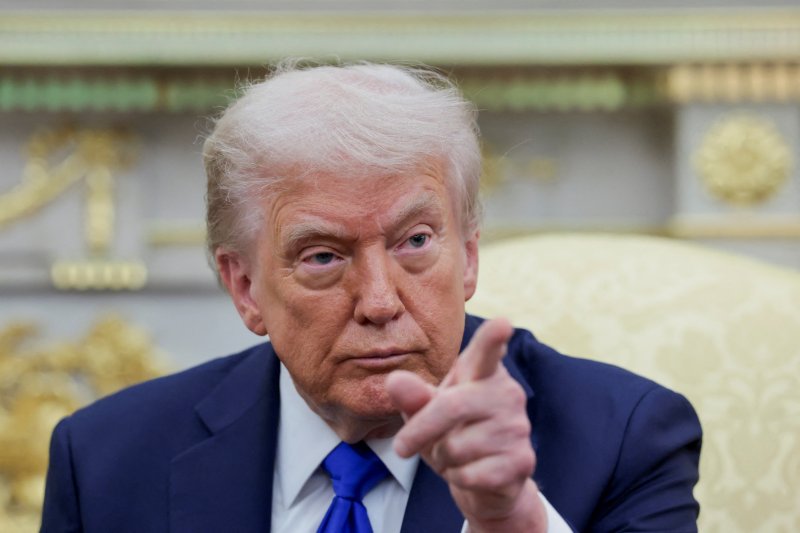
The 48-hour deadline set by Trump expires at 8:44 a.m. on the 24th, Korea time, which is 7:44 p.m. on the 23rd, Eastern Time in the US. The previous day, Trump declared, "If the Islamic Republic of Iran does not fully reopen the Strait of Hormuz to safe, unimpeded passage within 48 hours from now, the United States will begin by striking its largest power plant and then devastate power facilities across Iran."
Military pressure is also translating into concrete moves. Thousands of US Navy and Marine Corps personnel, including a battalion landing team supported by helicopters, Lockheed Martin F-35 Lightning II (F-35) fighter jets and amphibious armored vehicles, are heading to the Middle East, and the deployment of the 11th Marine Expeditionary Unit has been brought forward. An unnamed Israeli official told The Washington Post, "Those Marines are not coming for show," adding, "Their movement could be Trump’s political exit strategy, keeping open the option of deploying ground forces to the Strait of Hormuz or to Kharg Island, Iran’s key oil export hub."
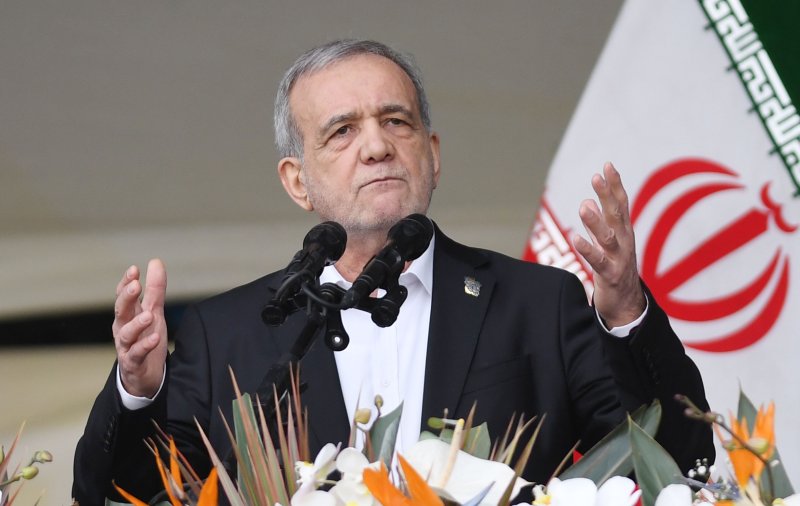
The Islamic Republic of Iran has immediately vowed to fight to the bitter end. Tehran has warned that if attacked, it will simultaneously strike US-related energy facilities, information technology (IT) infrastructure and desalination plants in the Persian Gulf, signaling its readiness to escalate. President Masoud Pezeshkian dismissed Washington’s rhetoric, saying, "The fantasy of wiping Iran off the map is a desperate attempt to defy the will of a nation that makes history," and added, "Threats and terror only strengthen our unity." Ebrahim Zolfaghari, spokesperson for the Khatam al-Anbiya Central Headquarters, which oversees Iran’s armed forces, also responded, "If the US carries out its threat to target Iranian power plants, the Strait of Hormuz will be completely shut down and will not reopen until those plants are rebuilt."
■ US Shifts War Aims, Searching for an Exit
As the war drags on, Washington’s original goals—overthrowing Iran’s theocratic regime and eliminating its remaining nuclear capabilities—have become difficult to achieve in the short term. In response, US officials appear to be quietly shifting the war’s objective toward lifting the blockade of the Strait of Hormuz, both to stabilize oil prices and to gain leverage for future negotiations. The Associated Press (AP) noted, "Trump plunged into war without a clear exit strategy and is now displaying a mercurial approach as he searches for a way out."
With oil prices and the costs of war soaring to astronomical levels, the US political establishment is fracturing ahead of the November elections. Republican Senator Lindsey Graham urged Trump, saying, "We should continue (the war) for a few more weeks and seize Kharg Island, where all of their oil-producing assets are located. We must allow the Iranian regime to wither on its own." By contrast, fellow Republican Senator Thom Tillis criticized the Pentagon’s request for 200 billion dollars (about 300 trillion won) in war funding, saying, "You cannot create this situation and then expect others to clean it up."
■ "Open the Strait of Hormuz"—22 Nations Rally
As losses snowball for the US and its allies, they are closing ranks. NATO Secretary-General Mark Rutte stated, "To resume traffic through the Strait of Hormuz, 22 countries—including NATO member states, the Republic of Korea (ROK), Japan and Australia—are coming together." He stressed that these nations are "working out what is needed, when it is needed and how we will act together, and once the time is ripe, we will move to secure the opening of the Strait of Hormuz and guarantee freedom of navigation."
This is seen as a coordinated move by US allies to respond to Trump’s pressure that "without the United States, NATO is a paper tiger." Rutte in particular cited the past case of North Korea advancing its nuclear capabilities even while talks were underway, and argued, "If Iran acquires nuclear capabilities alongside its missile program, it will pose a direct and existential threat to the security of Israel, the region, Europe and the world." His remarks were seen as reinforcing the case for preemptive military action.
[email protected] Kim Kyung-min Reporter