67% of Japanese Oppose Sending JSDF to the Middle East
- Input
- 2026-03-23 16:26:47
- Updated
- 2026-03-23 16:26:47
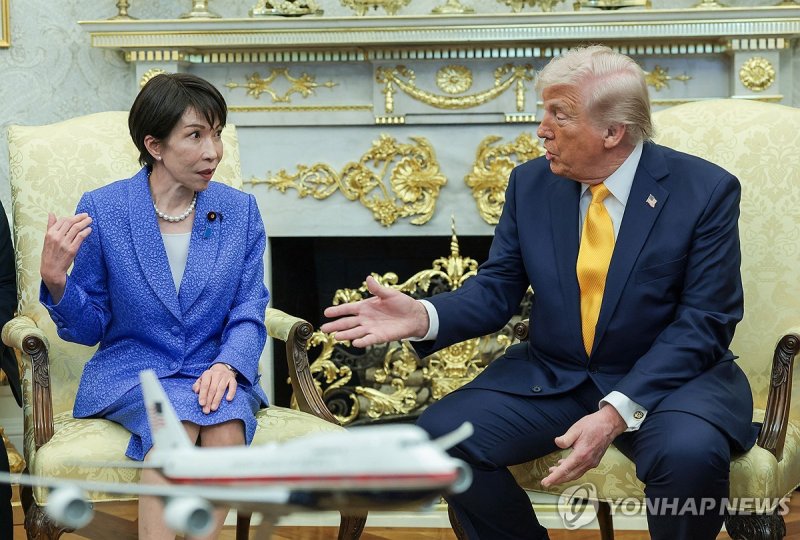
As U.S. President Donald Trump has asked Japan to contribute to ensuring safe navigation in the Strait of Hormuz, a new survey shows that two out of three Japanese oppose sending the Japan Self-Defense Forces (JSDF) to the Middle East.
Yomiuri Shimbun reported on the 23rd that in a telephone poll of 1,012 eligible voters conducted from the 20th to the 22nd, 67% of respondents opposed dispatching the Japan Maritime Self-Defense Force (JMSDF) to the Middle East. Only 24% said they supported sending JSDF units, while 9% answered that they "would not respond."
During her summit with President Donald Trump in Washington, D.C., on the 19th (local time), Japanese Prime Minister Sanae Takaichi reportedly cited Article 9 of the Constitution of Japan and explained that there are legal constraints on sending the JSDF to active combat zones.
Article 9 of the Constitution of Japan, often referred to as the peace clause, was adopted after Japan’s defeat in the Pacific War and renounces war and the use of force, while prohibiting the maintenance of war potential. Because of this, it is legally difficult for Japan to deploy the JSDF to areas where fighting is underway.
However, Foreign Minister Toshimitsu Motegi said the previous day that if hostilities were suspended, Japan could send JSDF vessels to the Middle East to conduct minesweeping operations.
In the same survey, 82% gave a positive assessment of Prime Minister Takaichi’s statement to President Trump that Japan would respond to Middle East issues within the limits of its domestic laws.
When asked to evaluate the U.S.-Japan summit itself, 69% of respondents viewed it positively, while 19% said they had a negative impression.
Regarding Japan’s plan to invest 73 billion dollars (about 110 trillion won) in the U.S. energy sector as part of the investment commitments made under last year’s trade agreement, 49% said they viewed the move positively, while 36% expressed a negative view.
On the question of how the situation in Iran might affect the Japanese economy, 89% of respondents said they were "concerned."
Support for the Takaichi Cabinet, which has been riding high in the polls, remained strong at 71% in this survey, although that was down 2 percentage points from the previous month.
In terms of party support, the ruling Liberal Democratic Party (LDP) was far ahead in first place at 39%, while all other parties remained below 5%.
[email protected] Seo Hye-jin Reporter