"Ultimately, It Will Stop": LG Chem Halts Operations at Yeosu No. 2 Plant, Sparking Fears of a Petrochemical Domino Shutdown
- Input
- 2026-03-23 11:27:23
- Updated
- 2026-03-23 11:27:23
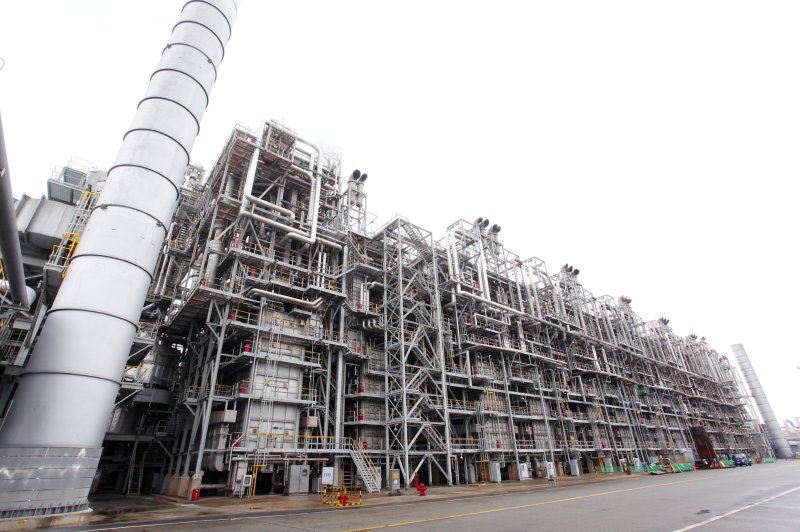
LG Chem, the largest petrochemical company in Korea, is suspending operations at part of a key production facility in Yeosu, South Jeolla Province. As the blockade of the Strait of Hormuz drags on and the naphtha supply crunch becomes a reality, concerns are mounting over a potential domino-style shutdown across the domestic petrochemical industry.
According to industry sources on the 23rd, LG Chem has decided to halt operations at its No. 2 plant, an NCC facility within the Yeosu Industrial Complex, sometime this week and plans to make the decision official soon. In Yeosu, LG Chem currently operates two naphtha cracking centers: the No. 1 plant with an annual capacity of 1.2 million tons and the No. 2 plant with a capacity of 800,000 tons.
The No. 2 plant, which will be shut down this time, is a relatively new facility that began commercial operations in 2021. However, its production scale is smaller, and the range of downstream products linked to it is known to be limited. LG Chem has shifted to a "selective operation" strategy, trying to keep the more impactful No. 1 plant running as long as possible by drawing down inventories.
Industry observers say this decision may be only the beginning. The domestic petrochemical sector has relied on the Middle East for about 25% of its naphtha demand, but supplies have effectively been cut off due to the war, making it difficult to secure feedstock at all. Cargoes that left the Middle East just before the conflict also stopped arriving as of last week, fueling fears that plants will no longer be able to operate once existing inventories are exhausted.
While international naphtha prices have roughly doubled, disruptions in crude oil supply are compounding the problem and deepening the naphtha shortage.
Petrochemical companies have been hanging on since early this month by cutting operating rates to the minimum level needed to maintain their facilities. However, as the supply crunch persists, many inside and outside the industry now predict that a wave of shutdowns could begin as early as April. Any suspension of NCC operations would reduce supplies of basic materials such as plastics and synthetic resins, likely sending shockwaves through downstream manufacturing industries.
The government has also stepped in. It is temporarily designating naphtha as an economic security item and is considering export restrictions as early as this week. At the same time, it is moving quickly to support the securing of alternative supply sources, including from Russia.
[email protected] Gu Ja-yoon Reporter