'Gasoline Prices at Record High' Japan to Spend 7.5 Trillion Won from Reserve Funds to Curb Fuel Costs
- Input
- 2026-03-23 10:03:21
- Updated
- 2026-03-23 10:03:21
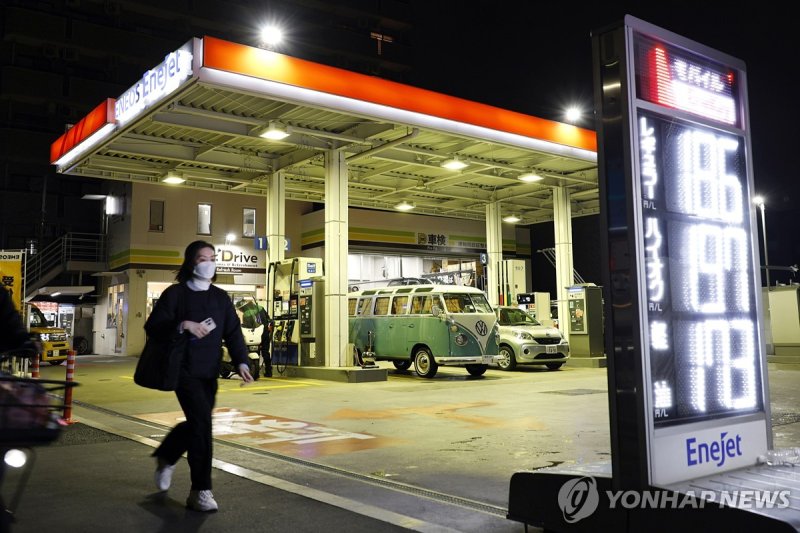
Financial News correspondent Seo Hye-jin in Tokyo reported that the Japanese government has decided to spend about 800 billion yen (approximately 7.5 trillion won) from reserve funds in the fiscal 2025 budget (April 2025 to March 2026) to respond to a sharp rise in oil prices caused by escalating tensions in the Middle East, Japan Broadcasting Corporation (NHK) said on the 23rd.
The government had originally planned to allocate a dedicated fund of 280 billion yen (about 2.6 trillion won) for subsidies to curb fuel prices. However, in anticipation of a prolonged crisis in the Middle East, it has decided to tap additional reserve funds.
Given that the remaining reserve funds in Japan’s fiscal 2025 budget amount to 810 billion yen (around 7.6 trillion won), most of this is expected to be used for fuel subsidies.
The Japanese government is expected to formally approve this policy as early as the 24th of this month at a Cabinet meeting.
As of the 16th of this month, the nationwide average gasoline price in Japan was 190.8 yen per liter (about 1,804 won), up 29 yen (around 274 won) from the previous week. This is the highest level on record.
To keep gasoline prices at around 170 yen per liter (approximately 1,606 won), the government began providing subsidies on the 19th to refiners and other wholesale suppliers. The same subsidies are also being applied to diesel, heavy oil, and kerosene.
It is estimated that about 300 billion yen (roughly 2.8 trillion won) will be needed each month to lower gasoline prices by 30 yen per liter (about 283 won). Japanese media have warned that if this large-scale subsidy program continues, it could further worsen public finances and accelerate the depreciation of the yen.
In addition to subsidies, the Japanese government is releasing oil from its reserves in an all-out effort to rein in fuel prices. However, critics argue that the most urgent task is to diversify crude oil import sources, as more than 90% of Japan’s crude has been supplied from the Middle East.
[email protected] Seo Hye-jin Reporter