“After Oil Comes Water”... Iran Now Threatens Desalination Facilities
- Input
- 2026-03-23 10:08:15
- Updated
- 2026-03-23 10:08:15
On the 22nd (local time), Agence France-Presse (AFP) reported that Khatam ol-Anbiya Central Headquarters, the Islamic Republic of Iran’s joint military operations command, issued a warning through Tasnim News Agency in response to a threat by United States of America (USA) President Donald Trump, who said he would "destroy power plants" if the Strait of Hormuz was not kept open.
Khatam ol-Anbiya Central Headquarters warned, "If the Islamic Republic of Iran’s fuel and energy infrastructure is attacked by the enemy, all △energy △IT △desalination facilities owned by the USA and the State of Israel in the region will become targets."
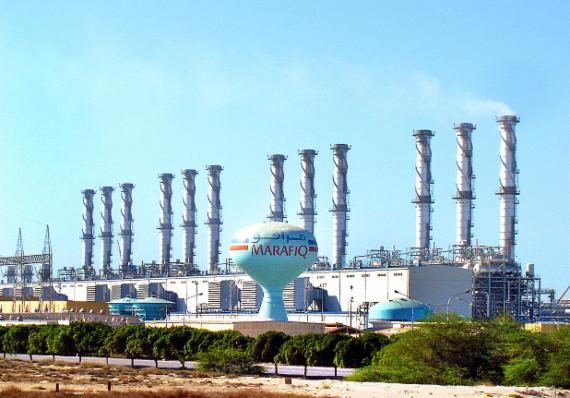
Middle Eastern countries in arid climate zones rely on seawater desalination plants to supply drinking and industrial water, and 42% of the world’s desalination capacity is concentrated in this region.
According to a 2022 report by the French Institute of International Relations (Ifri), desalinated water accounts for 42% of the United Arab Emirates (UAE)’s drinking water, 70% in the Kingdom of Saudi Arabia (KSA), 86% in the Sultanate of Oman, and 90% in Kuwait.
If the Islamic Republic of Iran were to attack desalination facilities in Middle Eastern countries, the impact would go far beyond the economic value of industrial water shortages. It could trigger a humanitarian crisis in densely populated major cities such as Dubai in the UAE and Riyadh in KSA. Water economist Esther Krauser Delbur stated, "Without desalinated water, nothing can exist," adding, "If desalination plants are destroyed, we could see mass exoduses from major cities or the introduction of rationing systems." Another problem is that seawater desalination plants are typically located in areas that are difficult to defend. Because they must draw in seawater directly, these facilities are built in long, narrow stretches along the coastline. It is known that even minor physical damage to their pumps or intake systems can shut down operations for an extended period. On this point, Esther Krauser Delbur warned, "The first side that dares to attack water resources will trigger a war far greater than what we are experiencing today." Hudson Institute also cautioned in a report released on the 19th that "the Islamic Republic of Iran’s missile and drone capabilities could target water, a resource of critical importance in the Gulf and Arab regions," and added, "Disruptions to water supplies directly threaten the daily lives of people in some of the most water-scarce countries in the world."
[email protected] Hong Chae-wan Reporter