[Editorial] BTS Concert Generates Trillions of Won in Benefits; Government Must Back K-Culture More Actively
- Input
- 2026-03-22 18:15:08
- Updated
- 2026-03-22 18:15:08
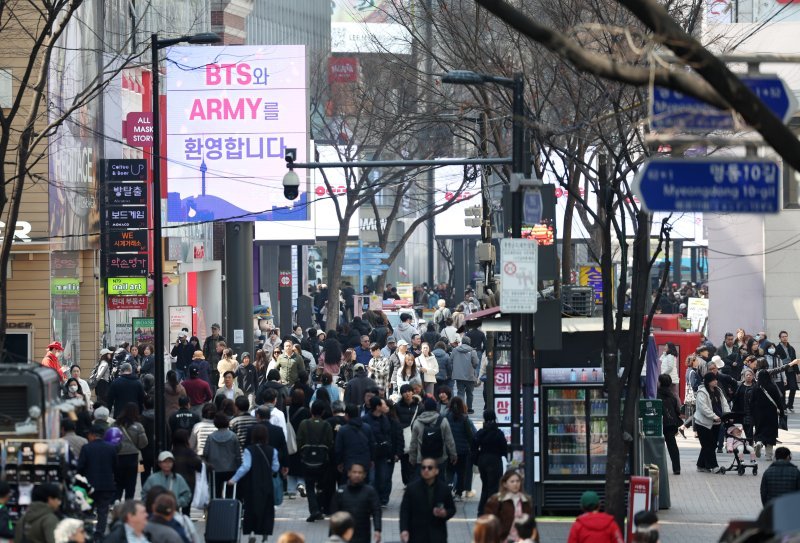
Financial industry analysts expect this round of BTS concerts to generate an economic impact of about 3 trillion won. Concepts such as "Swiftonomics" that emerged around pop star Taylor Swift’s world tour now have their Korean counterparts in "BTSnomics" and "ARMYnomics," which are already visible in reality. They are providing a much-needed boost to the Korean economy, which has been mired in a prolonged consumption slump.
BTS is, needless to say, a leading contributor to enhancing Korea’s national prestige. The group plays a major role in promoting Korea around the world and instilling a positive image of the country. There can hardly be a better form of national publicity. Global enthusiasm for BTS does not stop at a temporary increase in spending; it is creating intangible benefits whose value cannot be measured in money.
At a moment like this, the government needs to think hard about what it should do and how best to help. Supporting concerts is a given. Policymakers must carefully devise ways to ensure that foreign tourists who have come for these events do not end up making just a one-off visit, but are encouraged to keep returning to Korea. Expanding the infrastructure that tourists can see and enjoy is only the starting point; the government must also pay close attention so that there are no inconveniences in lodging, shopping, sightseeing, or immigration procedures.
On the back of the popularity of BTS and other Korean singers, global interest in and affection for Korean pop culture continue to grow. The world is beginning to discover the true face of Korea, a country with 5,000 years of history and a rich, diverse culture. Films and dramas such as "KPop Demon Hunters," which won two Oscars, are also enjoying explosive popularity.
Global interest in K-culture is translating into product consumption. Sales and exports of beauty products, food and fashion items are rising sharply. The government should seize this Korean culture boom and provide generous policy support so that it can drive exports and domestic consumption higher. The decision by the Export–Import Bank of Korea (Korea Eximbank) to offer 28 trillion won in policy finance over the next five years to foster K-culture as a new export engine is timely.
As Korea’s image improves, the brand value of the nation and its companies naturally rises. For example, perceptions of Korean automobiles will differ from before. The K-culture boom does more than simply boost related consumption; it can have indirect effects by lifting the overall value of Korean products and thereby contributing to export growth.
The private sector, for its part, must pour its passion into ensuring the continued prosperity of Korean pop culture. It cannot afford to rest on its laurels; drawing sustained global attention requires painstaking effort. The government, meanwhile, should craft strong policies to further develop Korean culture and promote it worldwide, and work together with the pop culture industry so that these efforts ultimately contribute to national development.