Will a mass Arirang sing-along echo through Gwanghwamun? RM anticipates it "will be epic" [BTS comeback]
- Input
- 2026-03-21 15:00:19
- Updated
- 2026-03-21 15:00:19
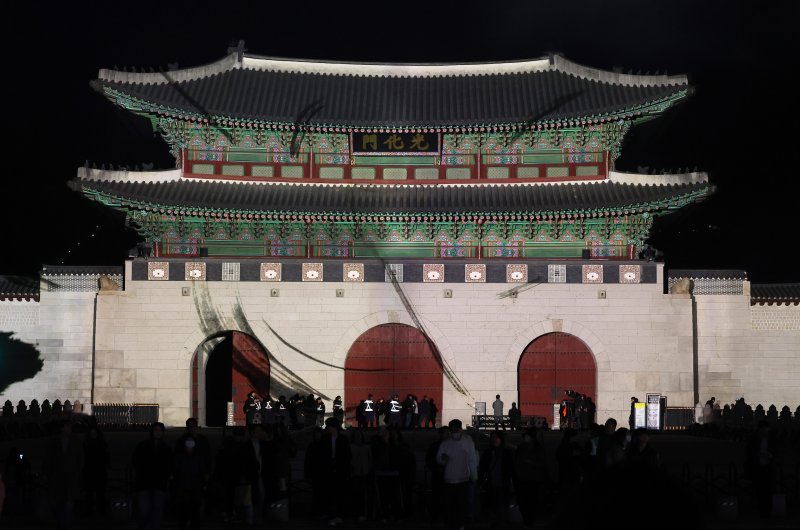
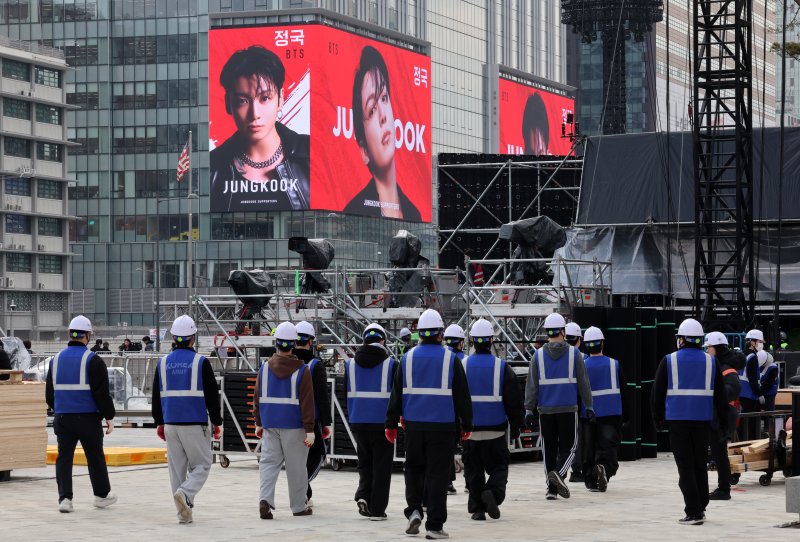
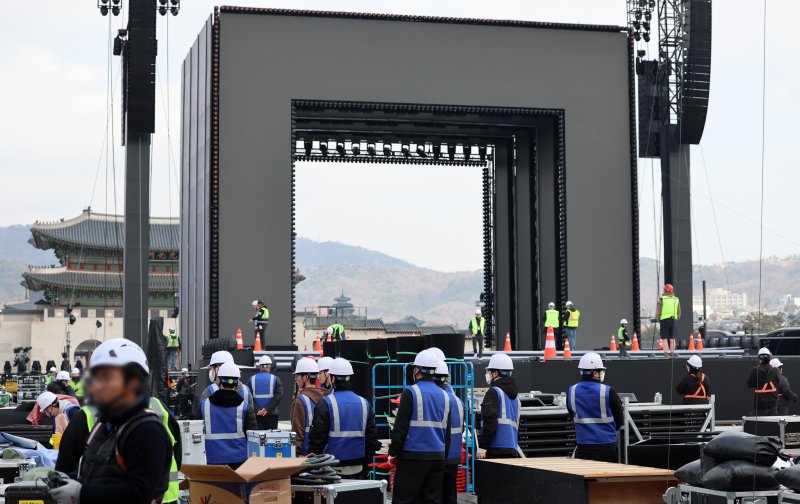
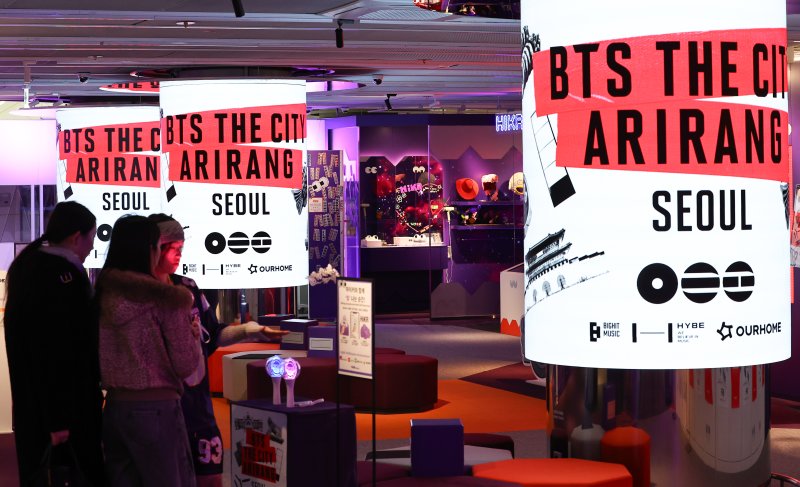
According to Financial News, all eyes are on whether domestic and international fans—transcending nationality and gender—will join their voices in a mass sing-along of "Arirang" today (21st) at Gwanghwamun Square, a historic and cultural landmark in Seoul.
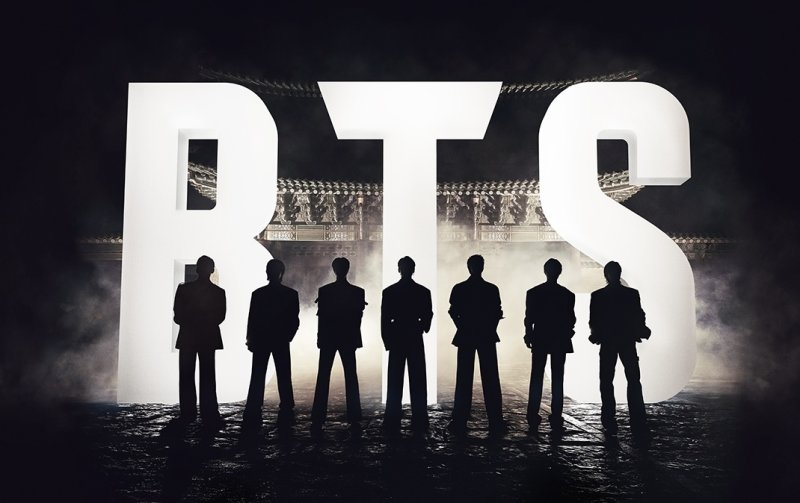
BTS will hold a comeback celebration concert titled "BTS THE COMEBACK LIVE: ARIRANG" at 8 p.m. on the 21st at Gwanghwamun Square in Seoul. Many expect them to perform "Body to Body," the first track on their new album.
"Body to Body" is a track that declares the group’s desire to have fun together with the audience at the venue. As the lyric "I need the whole stadium" suggests, the song highlights a sense of collective energy with the crowd. In the latter half, traditional Korean percussion and a choral section singing "Arirang~ Arirang~ Arariyo~" are added, creating a striking contrast with the hip-hop and rap beats of the first half and making the song instantly gripping. The Korean lyrics "This night when I won’t close my eyes / the surging heart of our people" also stand out.
Previously, RM of BTS said during a comeback live broadcast the day before, "If everyone sings along to Arirang together at the concert, it will be epic." With that in mind, expectations are high that not only the title track "SWIM" but also "Body to Body" will be included in the set list.
New album hailed as "a return that chooses evolution over commercialism" by foreign media
The new album opens with the title track "SWIM," which puts the song front and center as it expresses a determination to keep moving forward at one’s own pace, even in uncertain times. The key concept running through the album is "2.0." As the track of the same name suggests, this release focuses not on a reset but on upgrade and evolution. It presents what the group calls a "same name, new version"—moving to a new level while maintaining their existing identity.
The musical shift is also pronounced. Unlike earlier English pop–driven hits such as "Dynamite" and "Butter," which propelled BTS to global stardom, this album takes a different path. Instead, it is an experimental project that blends hip-hop, trap, rock, and club sounds, recalling the color of their early days as a hip-hop idol group. It reads as a choice to prioritize identity and expressive range over sheer mainstream appeal.
Overseas media have largely responded positively to this change. Billboard described the album as "an expanded BTS built on global collaborations," highlighting the diversity and polish of its sound. Rolling Stone likewise analyzed it as "their boldest experiment yet, while still maintaining a distinctly Korean identity."
The British daily The Guardian praised the album’s originality, saying that "playfulness and strangeness coexist," while also pointing out the repetitive nature of some tracks. The Associated Press (AP) called it "a return that chooses evolution over commercialism," and cited its genre-crossing experimentation as a defining feature.
Another pillar of the album is "identity." Representative tracks include "Body to Body," which directly weaves in the main melody of "Arirang" and combines it with traditional percussion and choral elements; "FYA," which reinterprets traditional Korean festive spirit through EDM and trap; and the 1-minute-38-second interlude "No. 29," a short connecting piece in the album composed solely of the tolling of the Sacred Bell of Great King Seongdeok, without any lyrics.
jashin@fnnews.com Shin Jin-ah Reporter