U.S. launches air operations to reopen Strait of Hormuz
- Input
- 2026-03-20 18:20:16
- Updated
- 2026-03-20 18:20:16
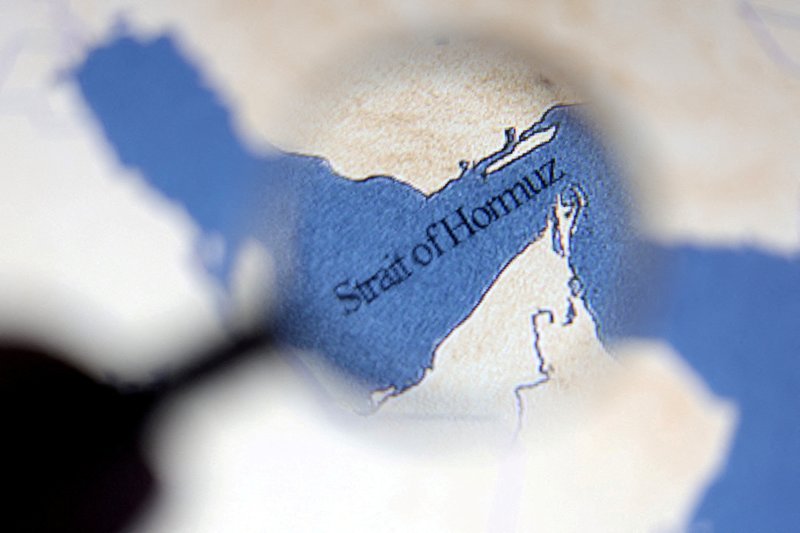
The United States is escalating its military response by deploying a large air strike force and attack helicopters to reopen the Strait of Hormuz, which has been blocked by the Islamic Republic of Iran.
On the 19th (local time), The Wall Street Journal (WSJ) reported that the United States is attacking Islamic Republic of Iran naval vessels with low-flying combat aircraft and other assets. The operations are aimed at reducing the threat posed by Iran’s armed boats, opportunities for attack, and cruise missiles in the Strait of Hormuz.
United States Secretary of Defense Pete Hegseth stated that more than 120 Islamic Republic of Iran naval vessels have been damaged so far.
U.S. forces have reportedly deployed the Fairchild Republic A-10 Thunderbolt II, known as the "Warthog," to strike Islamic Republic of Iran naval ships at low altitude. They are also using AH-64 Apache attack helicopters to shoot down Iranian suicide drones.
Gen. Dan Caine, chairman of the U.S. Joint Chiefs of Staff, said at a briefing at The Pentagon that the Fairchild Republic A-10 Thunderbolt II Warthog is currently operating on the southern front, targeting high-speed attack boats in the Strait of Hormuz. He added that AH-64 Apache attack helicopters have also joined the fight.
With the Strait of Hormuz, a route for about 20% of global oil exports, effectively shut down, international oil prices have become highly volatile. Brent crude oil briefly surged to 119 dollars per barrel and closed at 108.65 dollars on the 19th, up 1.2% from the previous day.
Despite the intensity of U.S. strikes, resistance from the Islamic Republic of Iran is expected to remain strong. Farzin Nadimi, an Iran expert at The Washington Institute for Near East Policy, said, "Iran still possesses a vast number of naval mines, cruise missiles, and hundreds of boats hidden in deep tunnels and concealed facilities along the coast and on the islands," adding, "It will take at least several more weeks before safe operations in the strait are possible."
Tensions over energy security are rising further as the Islamic Consultative Assembly of Iran is reportedly reviewing a bill to impose transit fees on certain vessels passing through the strait, in what appears to be an attempt to hold the waterway "hostage."
The United States is moving a rapid-response force of about 2,200 troops from the United States Marine Corps (USMC) to the Middle East. Experts believe they are likely to be deployed in operations to seize or secure islands along the southern coast of the Islamic Republic of Iran in order to reopen the strait.
Michael Connell, an analyst at the Center for Naval Analyses (CNA), explained, "It is impossible to eliminate the threat 100%, but the immediate task is to reduce it to a level where ships can transit under escort."
[email protected] Yoon Jae-joon Reporter